With fears growing over the potential impact of the 2026/27 El Niño weather phenomenon, faith leaders in Salima have been challenged to move beyond spiritual leadership and become key frontline actors in preparing communities for possible climate-related disasters.
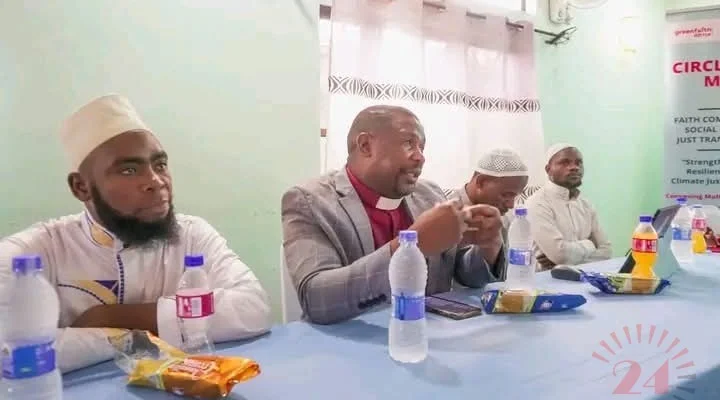
The call was made on Wednesday by Green Faith Africa Project Coordinator Kondwani Mubisa during an interface meeting with religious leaders aimed at strengthening the role of faith-based networks in disaster preparedness and response.
Mubisa urged churches and other places of worship to take a proactive role in communicating climate-related risks, warning that communities cannot afford to wait until disaster strikes before taking action.
“Faith leaders must take a front-line role in communicating and acting on the risks associated with the 2026/27 El Niño,” said Mubisa.
He stressed that religious institutions have a unique advantage in reaching vulnerable populations because of their deep roots in local communities and the trust they enjoy among congregants.
According to Mubisa, churches should use their well-established networks to spread early warning messages, educate communities on climate risks and encourage households to adopt preventive measures before weather-related shocks occur.
He further emphasised that effective disaster preparedness begins with timely information, awareness and coordinated action rather than emergency responses after damage has already been done.
Bishop Hope Galawanda of Livingwaters Church welcomed the initiative, describing it as an important step towards strengthening the capacity of religious institutions to respond to climate-related threats.
Galawanda said the engagement would equip faith leaders with practical knowledge and tools to implement locally driven anticipatory actions while fostering stronger collaboration with government agencies and development partners.
He added that faith-based organisations could also mobilise resources and support communities in preparing for possible disruptions to livelihoods, agricultural production and household food security.
Meanwhile, Ruth Kamowatimwa, representing the Department of Climate Change and Meteorological Services in Salima, backed the increased involvement of faith-based organisations in disseminating El Niño-related information.
Kamowatimwa said religious institutions are well positioned to ensure critical weather information reaches communities through trusted and familiar channels, helping improve public understanding of forecasts and potential risks.
She further highlighted the need for stronger collaboration between meteorological authorities and community institutions to enhance preparedness efforts and promote informed decision-making at the grassroots level.
The engagement comes as Malawi prepares for the 2026/27 agricultural season amid growing concerns about possible rainfall disruptions, prolonged dry spells and the threat these conditions pose to food production and rural livelihoods.