
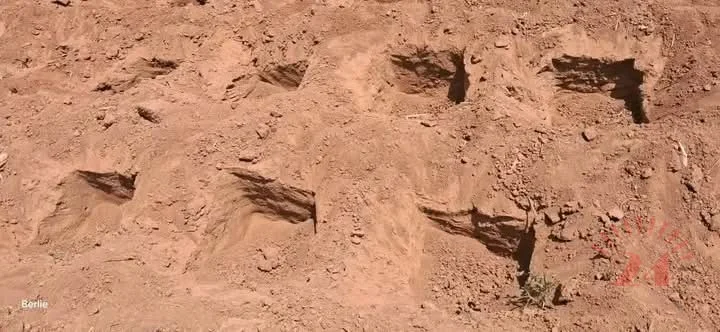
Rains have begun in some parts of Malawi, tempting farmers to start planting. Some have already put seed in the ground, but weather authorities are urging caution, warning that isolated showers may not be enough to sustain crops.
The Department of Climate Change and Meteorological Services is advising farmers to consult agricultural extension officers in their areas before planting. It says decisions should be guided by reliable forecasts, rather than the first showers.
In a message published on social media, the department encouraged farmers to follow the seasonal outlook and forecasts for their localities when planning their planting schedules.
The advice comes at a critical time for Malawi, where millions of households depend on rain-fed agriculture for food, income and livelihoods.
The department’s 2026/2027 seasonal outlook indicates a heightened risk of normal to below-normal rainfall across much of central and southern Malawi between October and December. It also forecasts below-normal rainfall over much of the centre and south from January to March.
The projections make careful timing particularly important. If seed germinates after isolated rainfall and is then followed by a prolonged dry spell, farmers risk losing both their crops and the money spent on inputs such as seed and fertiliser.
One social media follower, Stella Mawango, welcomed the advisory but called for weather information to be shared more frequently.
“Forecasts need to be issued repeatedly,” Mawango said, highlighting the need to keep farmers informed as conditions change.
Her concern reflects a wider challenge for rural communities: receiving weather information in time, understanding it and applying it to decisions on the farm.
In Ntcheu, agricultural extension adviser Alfred Mbewe said the onset of planting rains would vary by location. Some areas in the district could receive planting rains in the third week of November, he said, while others might have to wait until the second week of December.
Mbewe cautioned that the expected rainfall could be moderate or very limited. He urged farmers to be patient and seek guidance before planting.
The warning comes amid broader concerns about the season ahead. In September, Natural Resources Minister Patricia Wiskes called for early preparedness as Malawi anticipated a strong El Niño during the 2026/2027 rainfall season.
The United Nations’ national El Niño preparedness plan also identifies delayed and erratic planting rains, inadequate rainfall and prolonged dry spells as risks for several central and southern districts.