

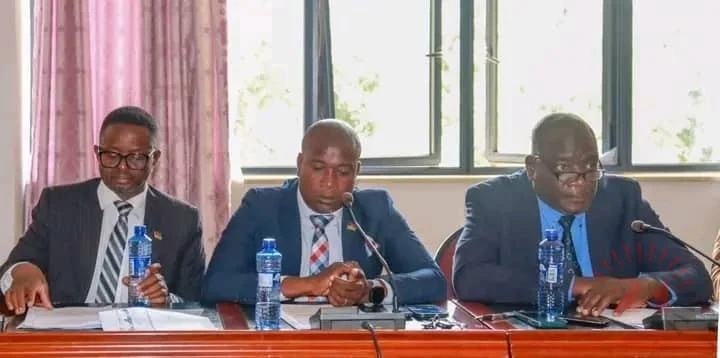
A parliamentary investigation into missing and unsafe medicines took an unexpected turn when lawmakers turned away officials from the Malawi Revenue Authority (MRA).
The Parliamentary Committee on Health rejected a presentation delivered by an MRA delegation and ordered the authority to return with a more comprehensive report, led by Commissioner General Felix Tambulasi.
The Committee insists the institution’s top boss personally account for its role in protecting the country’s pharmaceutical supply chain.
Committee chairperson Anthony Masamba said lawmakers had specifically summoned Tambulasi to explain what measures MRA was implementing to strengthen border controls and prevent stolen medicines from being smuggled out of Malawi, as well as stop falsified and substandard pharmaceutical products from entering the country.
However, when MRA instead sent a team headed by Director of Finance Mufulo Chikaoneka, the committee expressed dissatisfaction, describing the four-page presentation as inadequate given the seriousness and complexity of the investigation.
Masamba said the committee expected detailed responses and direct accountability from the authority’s leadership, adding that Tambulasi would be required to appear in person during the next meeting.
“The presentation did not sufficiently address the issues we are investigating, and we expect a fuller briefing led by the Commissioner General himself,” said Masamba.
The committee also ruled that MRA would bear the costs of the repeat meeting, arguing that the authority’s failure to comply with the original summons had necessitated another appearance before lawmakers.
In response, Chikaoneka explained that Tambulasi was unavailable because he was undertaking official duties outside the country. He accepted the committee’s decision and assured members that MRA would be better prepared for the next engagement.
The Health Committee is currently investigating drug theft, falsified medicines and substandard pharmaceutical products amid growing concerns over weaknesses in systems meant to safeguard medicines and ensure essential supplies reach public health facilities.
Lawmakers are also expected to hear from the Anti-Corruption Bureau (ACB) as part of the inquiry into possible corruption and other criminal activities believed to be contributing to medicine shortages across the country.
The investigation is expected to identify accountability gaps and recommend stronger measures to protect public medicines, tighten border enforcement and ensure patients have access to safe and reliable medical supplies.