
Malawi’s public debt has reached K23.9 trillion, raising questions about what ordinary citizens have gained from years of government borrowing as economic hardships continue to weigh on households.
Malawi Economic Justice Network (MEJN) Board Chairperson, Bishop Martin Mtumbuka, has challenged government to account for how borrowed money has improved people’s lives, particularly those in vulnerable communities.
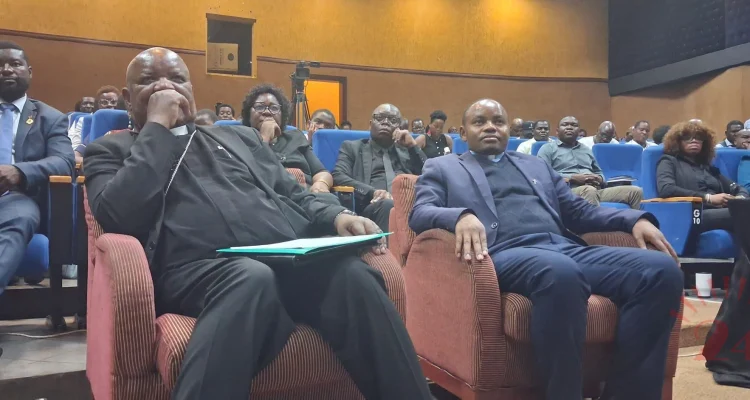
Speaking in Lilongwe during the 5th National Conference on Public Debt, Taxation and Climate Finance, Mtumbuka questioned who has benefited from the country’s growing debt when many citizens continue to struggle to access basic necessities, including food and fuel.
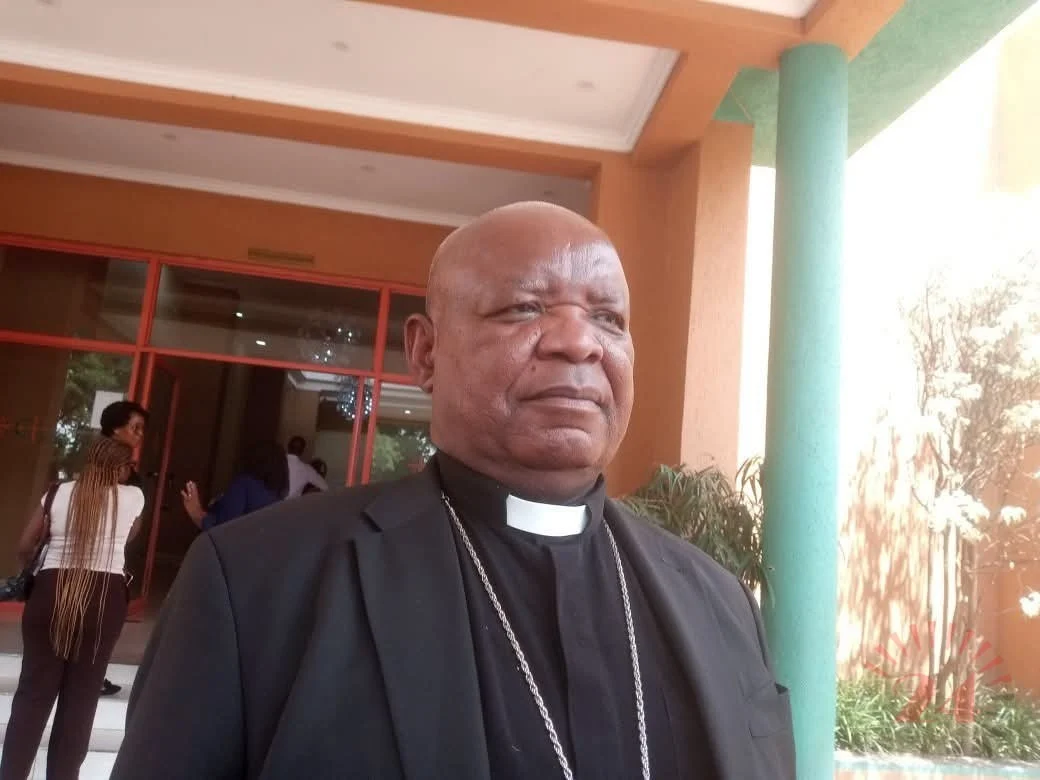
“Who has benefited from this growing debt when ordinary Malawians continue to struggle to access basic necessities?” he questioned.
His concerns come as the Economics Association of Malawi (ECAMA) attributes the rising public debt to persistent budget deficits, weak economic growth and exchange rate instability.
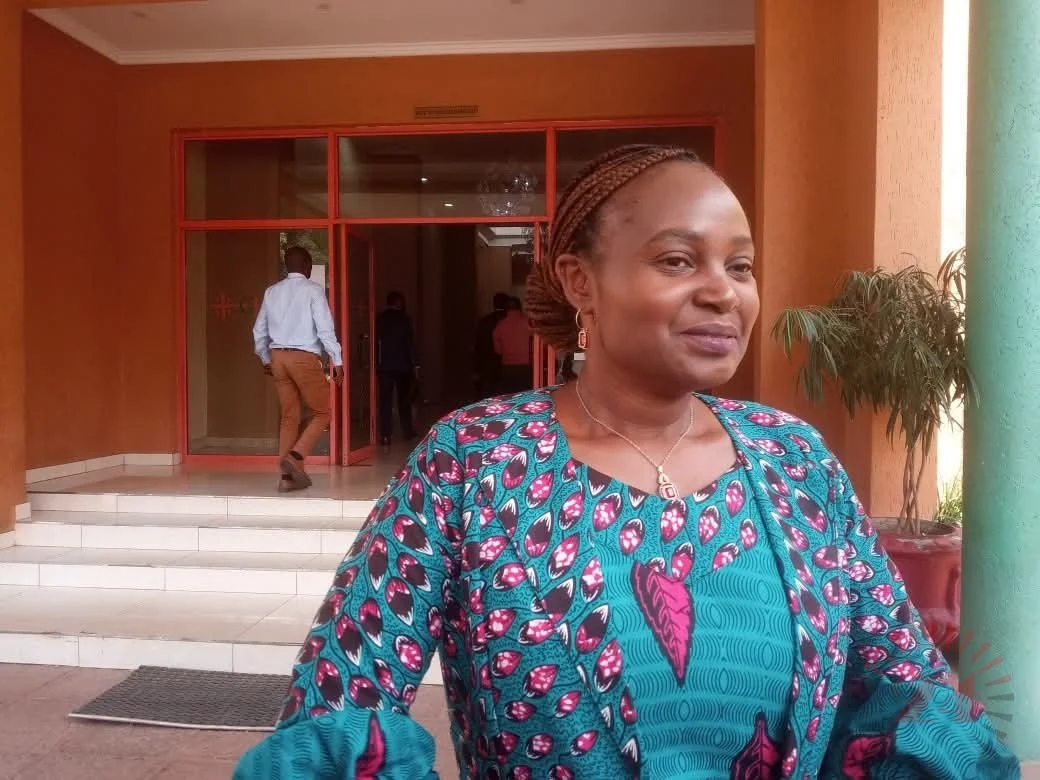
ECAMA President, Bertha Bangala Chikadza, said Malawi’s public debt stood at approximately K23.9 trillion as of December 2025, warning that the burden is reducing government’s capacity to finance development.
The mounting debt has renewed concerns about whether public borrowing is translating into better services and improved living conditions, with calls growing for stronger accountability and responsible management of public finances.
Mtumbuka also cautioned against turning the country’s economic difficulties into a blame game, urging stakeholders to work together in finding practical solutions.
Meanwhile, Minister of Local Government and Rural Development, Ben Phiri, commended the Reformed Constituency Development Fund (CDF), saying it is helping address challenges such as inadequate infrastructure and unemployment.
The two-day conference, organised by MEJN, has brought together academics, politicians, faith leaders and other stakeholders to discuss public debt, tax justice, climate financing and child rights governance.