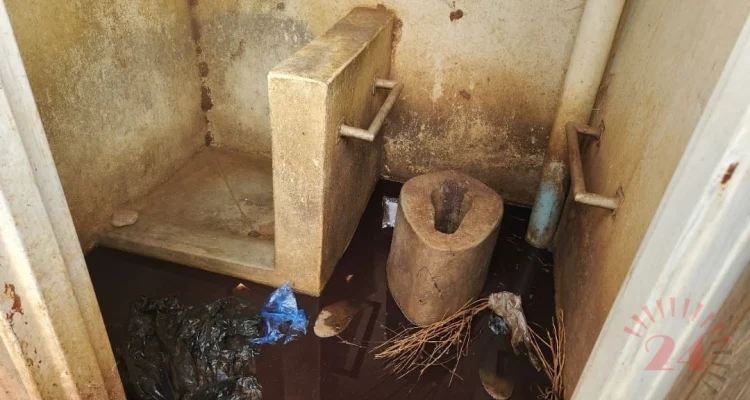
Inadequate water, sanitation and hygiene (WASH) services in Malawi’s healthcare facilities are exposing mothers and newborn babies to preventable infections, raising concerns over the safety of childbirth in hospitals.
WaterAid Malawi Policy and Sector Engagement Specialist Willard Freedom Kaula said poor access to clean water, sanitation and hygiene facilities increases the risk of infections among patients and healthcare workers, particularly in maternity wards.
Kaula was speaking in Lilongwe on Thursday during the National Inception Meeting for the Civil Society Leadership in Mobilising for Better Water, Sanitation and Hygiene (CLIMB) Project.
He said the situation was particularly concerning for women giving birth, as inadequate hygiene conditions could contribute to maternal and newborn infections, including sepsis.
According to the 2025 Joint Monitoring Programme report by the World Health Organisation (WHO) and UNICEF, only 76 percent of healthcare facilities in Malawi have access to basic water services, while just 16 percent have basic sanitation and hygiene services.
Kaula said the figures highlighted the urgent need to strengthen WASH services in healthcare facilities to reduce infection risks and improve maternal and newborn health outcomes.
“Unavailability of WASH services in a healthcare facility poses a bigger risk of infections,” he said.
Through the CLIMB project, WaterAid Malawi, in partnership with the Water and Environmental Sanitation Network (WESNET), White Ribbon Alliance, Malawi Health Equity Network and WASH Media Forum, intends to strengthen civil society organisations’ capacity to demand improved services and hold duty-bearers accountable.
The initiative, which is being implemented in Kasungu, Ntchisi and Mangochi districts, also seeks to promote increased investment in WASH infrastructure, behavioural change and stronger coordination between communities, district authorities and national-level institutions.
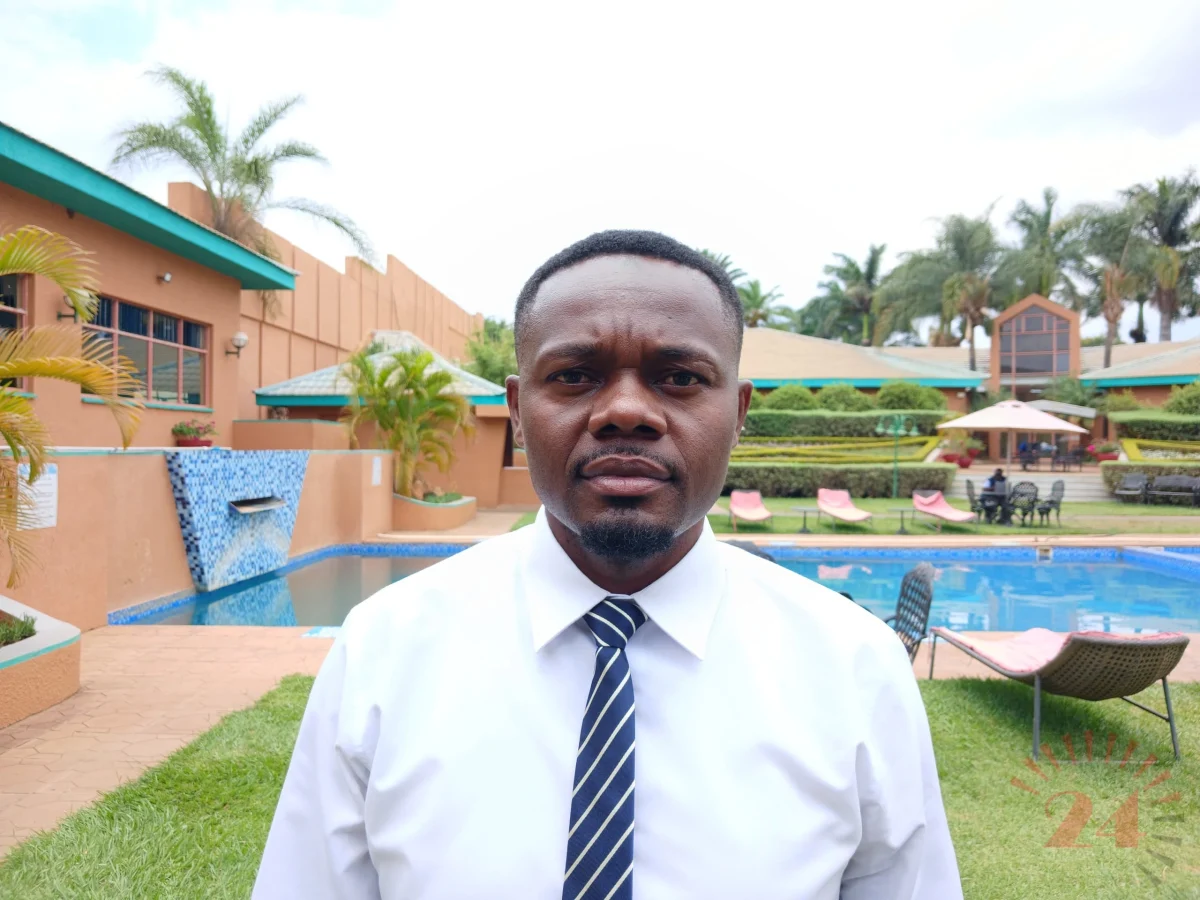
Kaula said the project would provide communities with opportunities to raise concerns about the services they receive, while enabling authorities to respond through concrete commitments.
Meanwhile, WESNET Executive Director Safari Mbewe identified inadequate financing and poor prioritisation of WASH services as some of the major obstacles affecting the sector.
He called for increased investment at all levels, saying the resources currently allocated to WASH were insufficient to address the challenges facing healthcare facilities.
Mbewe also emphasised the importance of communities taking responsibility for maintaining WASH infrastructure provided in their areas.
On her part, WASH Media Forum Chairperson Meclina Chirwa challenged journalists to rethink how they report on sanitation and hygiene challenges, saying conventional reporting had not generated sufficient action from authorities.
She urged journalists to embrace solutions by asking tougher questions, investigating the root causes of challenges and highlighting practical interventions that could influence decision-making.
Chirwa said the media has a responsibility to bring the experiences of women and girls using healthcare facilities into the public domain to ensure their concerns were addressed.
She said the CLIMB project presented an opportunity for journalists to produce more impactful stories capable of pushing duty-bearers to improve WASH services.