
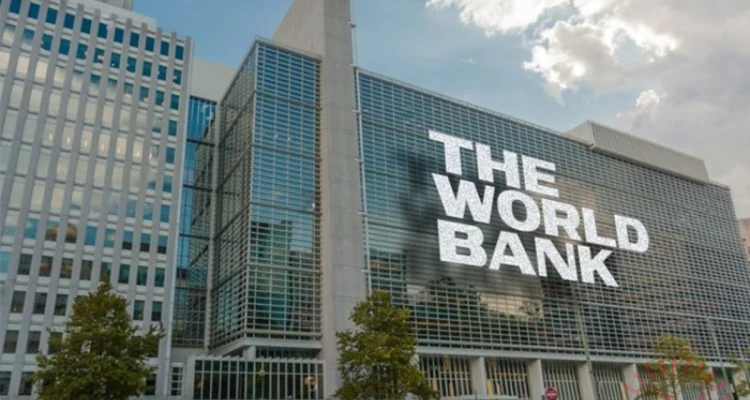
Malawian communities risk missing out on essential development projects if local authorities fail to complete infrastructure investments within agreed timelines, following a warning by the World Bank that delayed projects could lose their funding.
The warning raises questions about whether local councils can translate development funding into completed facilities that improve people’s access to education, healthcare and other public services.
World Bank Country Manager Abdul Mawonge issued the warning in Lilongwe during the launch of the $80 million Governance to Enable Service Delivery (GESD) Phase Two programme.
Mawonge said the bank would cancel projects that fail to meet agreed timelines and redirect the resources to other sectors or projects.
He said monthly review meetings with government ministries would be introduced to monitor implementation, identify bottlenecks and hold responsible institutions accountable for delays.
The warning comes as Malawi seeks to build on the first phase of GESD, which supported local authorities in improving public financial management, accountability and service delivery through performance-based grants.
However, the first phase experienced implementation challenges, including delayed projects, poor workmanship and inadequate supervision.
A 2024 assessment found defects in 166 of 327 inspected projects, representing 51 percent, raising concerns about the quality of infrastructure delivered under the programme.
Government also reduced the allocation for the third funding cycle from $25 million to about $10 million after some councils failed to adequately utilise and account for previous funding.
Minister of Local Government and Rural Development Ben Phiri said Malawi qualified for the second phase based on its performance under the previous programme.
He said government had taken steps to address earlier weaknesses, including procurement challenges and inadequate supervision, by ensuring that councils had qualified district engineers.
Phiri said GESD 2.0 would complement the reformed Constituency Development Fund, with both financing arrangements guided by community priorities and district investment plans to avoid duplication.
He cited a school project in Thyolo Central Constituency, where classroom blocks supported through different funding arrangements were expected to expand learning infrastructure.
GESD 2.0 Task Team Manager Eva Mellis said the programme’s success should not be measured only by the amount of money spent or infrastructure constructed, but by whether investments resulted in functional facilities and improved public services.
The second phase is expected to build on the previous programme’s achievements while addressing weaknesses that affected implementation.