

Questions surrounding changes in examination results have sparked debate, but a private schools grouping says the re-marking process is legitimate and should not be mistaken for evidence of a conspiracy.
The controversy follows the release of re-marked Malawi School Certificate of Education (MSCE) results, in which a candidate who initially scored 10 points had their grade changed to eight points, making them the highest scorer of the year.
The change has raised eyebrows, with some people questioning how such a significant adjustment could happen after the initial results had already been released, while others have suggested possible manipulation of the examination process.
However, the Private Schools Association of Malawi (PRISAM) has defended the changes, describing re-marking as a standard procedure provided for under examination regulations.
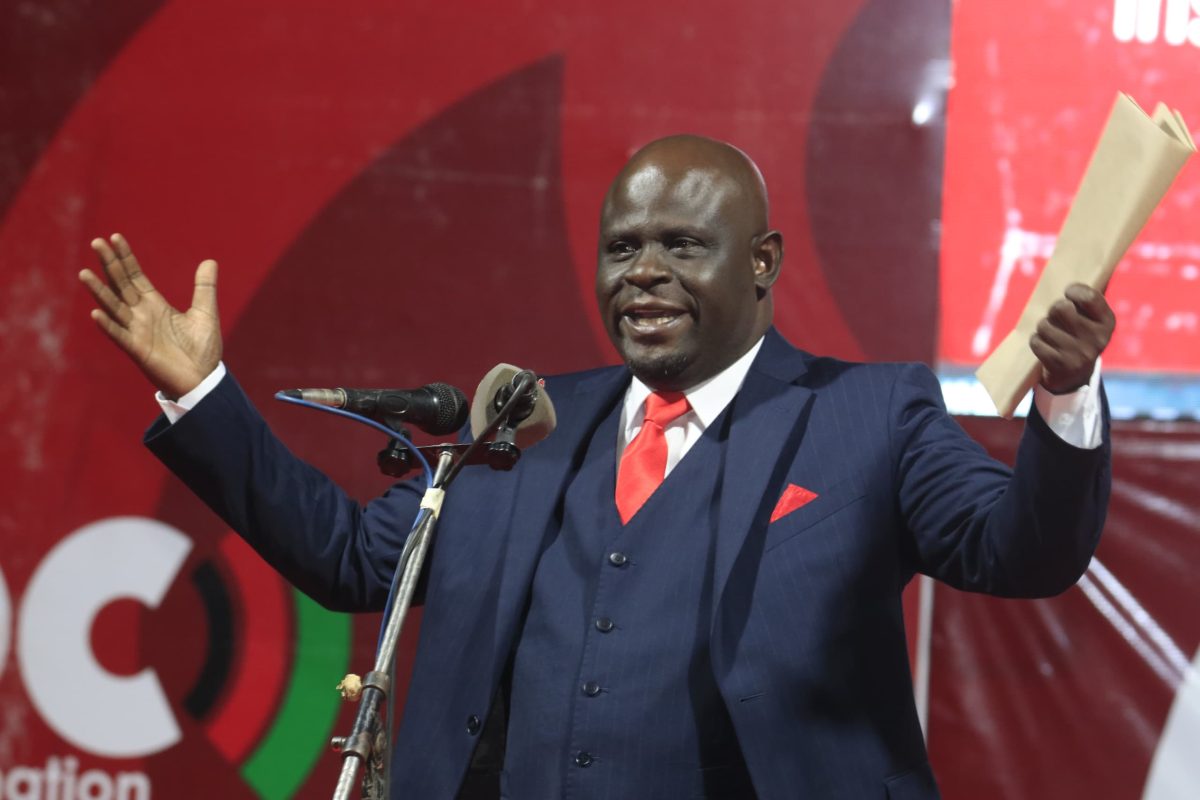
Speaking to local media, PRISAM president Ernest Kaonga said candidates have a right to request re-marking and that changes in grades following the exercise do not automatically point to wrongdoing.
“Re-marking is a right provided for in MANEB regulations. A change in grades after re-marking does not mean conspiracy. It means the system has a second check for fairness,” he said.
Kaonga also dismissed claims that private schools were deliberately targeted, arguing that the continued selection of their learners into top universities contradicted such allegations.
“Private schools are performing very well. If there was a plan to make them fail, why are so many of their learners selected to top universities?” he asked.
He challenged critics to provide evidence to support their claims, saying allegations circulating on social media should not be used to judge the credibility of the examination system.
“PRISAM will act on proof. We will not run education on WhatsApp allegations,” he said.
Kaonga further defended MANEB’s decision to correct results after re-marking, saying the process should be viewed as an accountability measure rather than a weakness in the examination system.
He urged stakeholders to keep politics out of education, warning against using learners as tools in disputes over examination results.
“Education is for our children. Let us not use them as tools for politics,” he said.