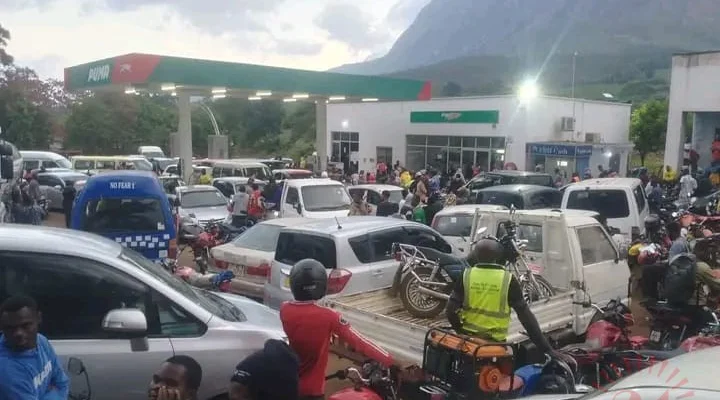
Motorists are allegedly being forced to pay bribes of up to K20,000 to fill their vehicle tanks, while some filling stations are accused of withholding fuel for late-night sales.
The allegations follow a monitoring exercise by the Consumers Association of Malawi (CAMA) in Mwanza, Mulanje and Thyolo, where the consumer rights body documented several irregularities in fuel distribution.
According to CAMA, some fuel attendants were demanding additional payments from motorists to allow them to fill their tanks, while consumers and attendants reported that some filling stations were allegedly keeping fuel for dispensing into jerrycans at night.
In its report on fuel scarcity advocacy activities conducted in October, CAMA also raised concerns over preferential access, with some individuals reportedly refuelling multiple vehicles at the same stations while other motorists remained stuck in long queues.
The association further reported that some motorists were spending several days sleeping at filling stations as they waited for fuel deliveries, exposing them to difficult and potentially dangerous conditions.
CAMA said congestion at some filling stations was creating safety risks for motorists, pedestrians, attendants and other consumers, particularly because of the possibility of accidents and fire outbreaks.
The monitoring exercise also exposed concerns over non-functional security cameras at most of the filling stations visited, raising questions about the ability to monitor transactions, investigate complaints and hold those involved in malpractice accountable.
The findings come amid persistent fuel shortages that have disrupted transport, business operations and the movement of goods, with consumers bearing the additional costs through increased transport fares and prices of essential commodities.
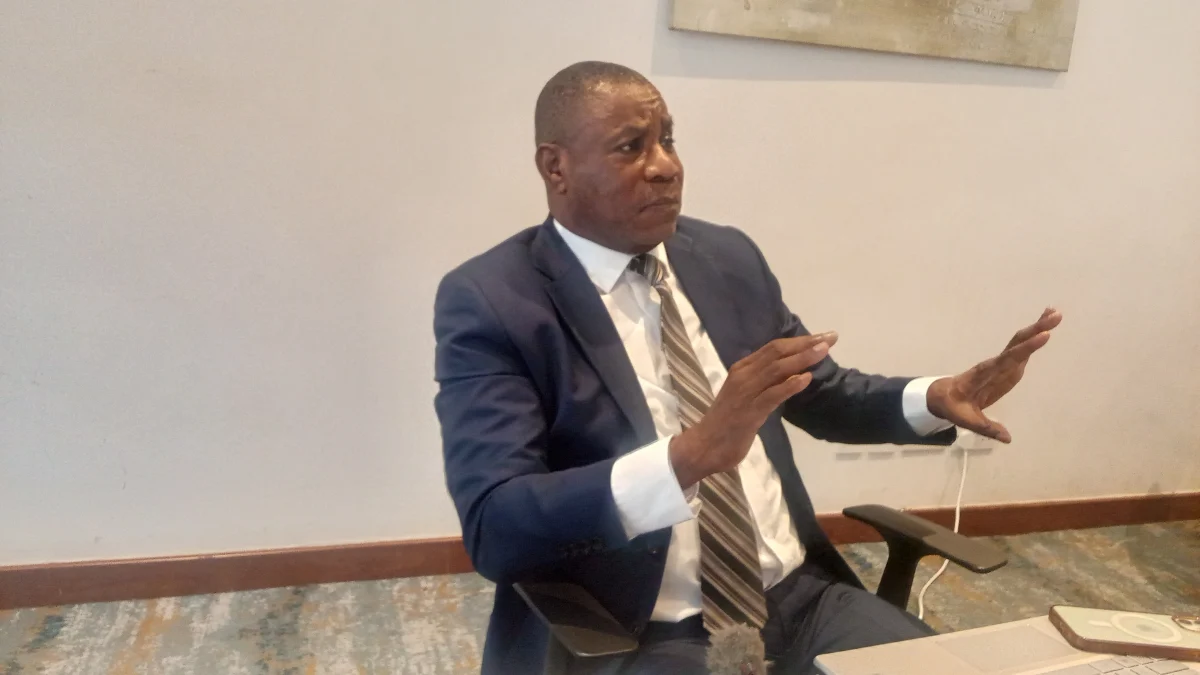
Separately, CAMA held a public and media awareness panel discussion at Malawi Sun Hotel in Blantyre on October 19, bringing together consumer, business and environmental representatives to examine the causes of fuel and gas shortages.
The discussion identified foreign exchange shortages and international geopolitical tensions, including the conflict involving Iran and the United States, as some of the factors affecting fuel availability in Malawi, which relies on imported petroleum products.
CAMA also argued that fuel and gas imports should receive priority in foreign exchange allocation instead of less urgent imports such as vehicles and other goods, warning that shortages of the energy products could disrupt businesses, hotels, institutions and production activities.
The association further proposed that government consider issuing import certificates or authorisations to capable individuals and companies to bring in fuel, subject to regulatory, safety and quality requirements.
It also called on the Malawi Energy Regulatory Authority (MERA) and other relevant institutions to provide regular and transparent updates on fuel stocks, procurement, distribution and supply conditions.