
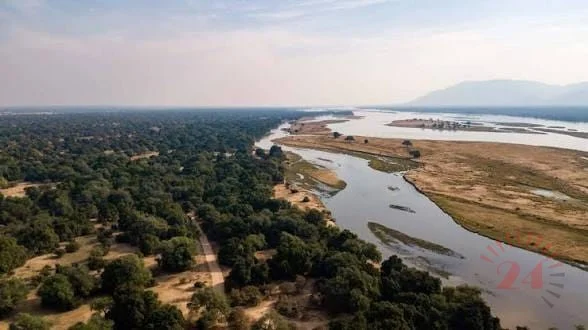
Malawi’s wildlife and surrounding communities are set to benefit from a K7 billion conservation investment aimed at protecting animals, reducing human-wildlife conflicts and unlocking tourism opportunities.
The three-year funding will support the Nyika-Vwaza Complex, which comprises and Vwaza Marsh Wildlife Reserve.
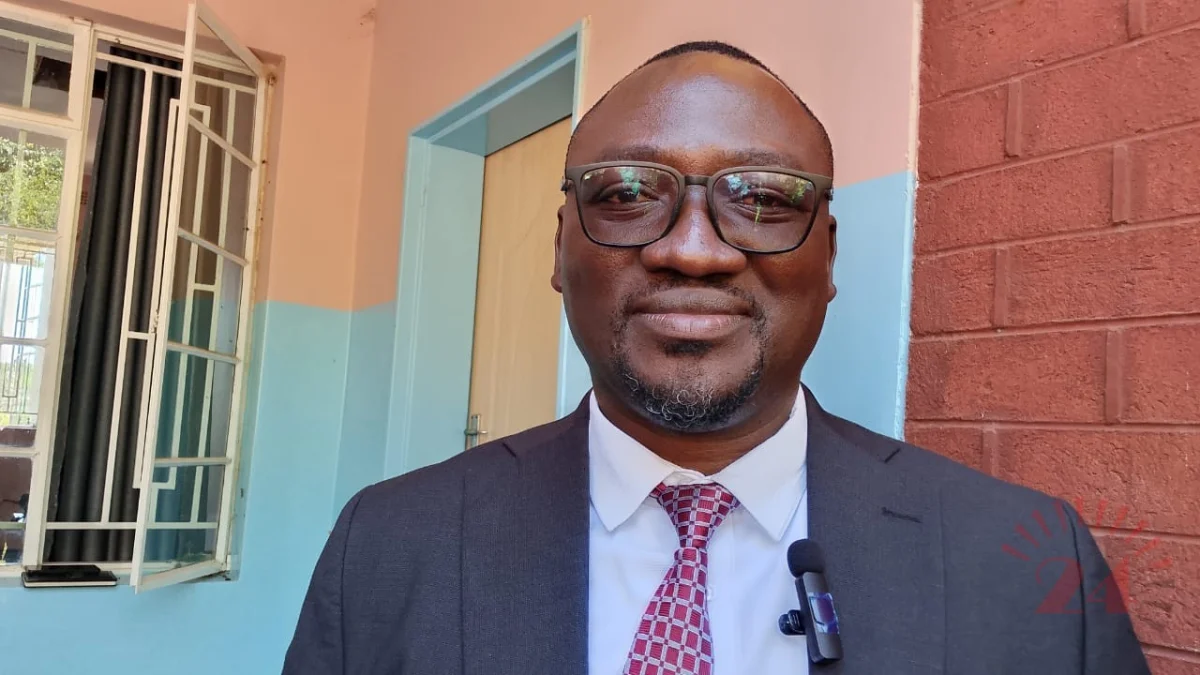
Speaking in Mzuzu on Wednesday, Nyika-Vwaza Co-Management Trust Chief Executive Officer George Nxumayo said the investment would strengthen efforts to protect wildlife and natural resources while helping communities living around the parks.
Nxumayo said the funding would improve responses to human-wildlife conflicts, strengthen park management and help conservation efforts withstand the effects of climate change.
He said the investment would also help unlock the tourism potential of the complex, attract more visitors and increase Malawi’s foreign exchange earnings.
The US$4 million grant forms part of a wider US$29.2 million conservation investment by The Rob Walton Foundation through Peace Parks Foundation, targeting six protected landscapes in Malawi, Angola, Mozambique and Zimbabwe.
Peace Parks Foundation announced the wider investment on November 19, 2026, in Stellenbosch, South Africa, saying it would strengthen park governance, operational capacity, ecological resilience and sustainable financing.
The funding was secured through fundraising efforts by Peace Parks Foundation, with The Rob Walton Foundation supporting long-term conservation management.
Other beneficiaries include Limpopo, Zinave and Banhine National Parks in Mozambique, the Greater Mana Pools Ecosystem in Zimbabwe and Luengue-Luiana National Park in Angola.
Peace Parks said the investment would help establish sustainable management systems capable of attracting further government, private-sector and philanthropic funding to secure the future of the protected areas.
Five of the six landscapes already have long-term management partnership agreements with national governments, while Peace Parks and the Angolan government have signed a memorandum of understanding to develop a management partnership for Luengue-Luiana National Park.
Duko Hopman of The Rob Walton Foundation said the organisation recognised Peace Parks’ experience in working with governments to strengthen protected area management.
He said the grant would build on existing achievements across the six landscapes while creating opportunities for other funders to support conservation.
Peace Parks Foundation Chief Executive Officer Werner Myburgh said protecting Africa’s natural heritage required sustained investment rather than reliance on short-term projects.
The six landscapes are part of the Africa Keystone Protected Area Partnership, which has identified 162 protected and conserved areas across 33 African countries for improved long-term management by 2035.
According to Peace Parks, the areas contain 71 percent of Africa’s threatened vertebrate species, provide water resources relied upon by nearly 250 million people and store an estimated 5.8 billion tonnes of carbon.
The investment also contributes to Peace Parks’ Vision 2050, which seeks to establish 14 functioning transboundary conservation landscapes covering 980,000 square kilometres across ten countries.
The initiative aims to strengthen cooperation between neighbouring countries in protecting wildlife, rivers and ecosystems that extend beyond national borders.