
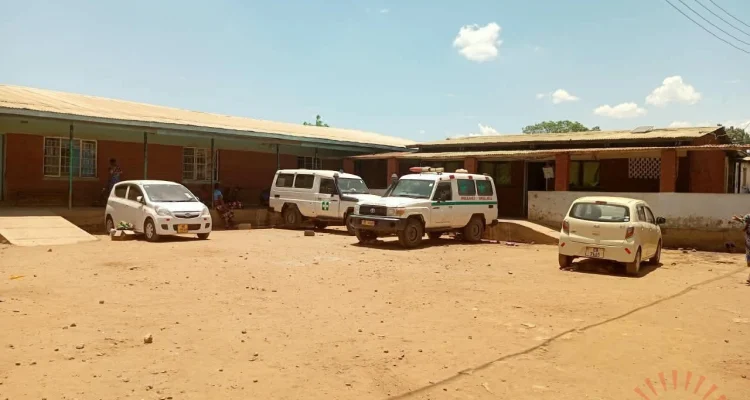
A woman and her newborn baby have died at Mponela Rural Hospital in Dowa after a lack of fuel prevented their transfer to Dowa District Hospital for further medical attention.
The hospital’s In-Charge, Owen Chipewa, confirmed the deaths, saying the woman was referred from Dzoole Health Centre on Monday while in critical condition.
According to Chipewa, the woman delivered a stillborn baby upon arrival at Mponela, but her condition continued to deteriorate, prompting medical personnel to recommend her transfer to Dowa District Hospital for further treatment.
However, the referral could not be completed because the hospital had no fuel to dispatch an ambulance. Chipewa said medical personnel attempted to stabilise her condition by providing the necessary treatment, but their efforts were unsuccessful.
He further disclosed that the facility’s two functioning ambulances were both grounded due to the fuel shortage, leaving the hospital without the means to transport patients requiring emergency referrals.
The deaths come amid a prolonged fuel crisis that has increasingly affected the country’s health sector, with hospitals struggling to maintain ambulance services, operate backup generators and transport medical supplies. The situation has forced some health facilities to prioritise referrals because of limited fuel, while others have reported delays in transferring patients to facilities with specialised services.
In May this year, reports indicated that fuel shortages were disrupting hospital operations across the country, with some ambulances grounded and patients experiencing delays in accessing higher-level medical care. Partners In Health also reported that a newborn in Neno District had to wait approximately six and a half hours for an ambulance to transport the baby to a facility with neonatal intensive care services. The ambulance reportedly arrived too late.
The latest tragedy also raises questions about recurring fuel-related challenges in the country’s referral system. In January 2016, a 24-year-old woman died at Mponela after she could not be transferred to Dowa District Hospital because of a lack of fuel for an ambulance. The recurrence of a similar incident at the same facility more than a decade later highlights the need for lasting solutions beyond temporary fuel allocations.
Malawi is currently experiencing one of its most prolonged fuel supply crises, with the government acknowledging that foreign exchange shortages have affected the country’s ability to secure adequate fuel supplies. In a report published on November 21, The Times Group highlighted that intermittent fuel supplies had persisted for three consecutive months, with the government introducing a temporary arrangement allowing eligible companies to import fuel for their own use.
However, the situation at Mponela demonstrates that the consequences of the fuel crisis extend beyond transport costs, business operations and long queues at filling stations. When hospitals cannot access fuel, emergency transport becomes unreliable, potentially denying critically ill patients access to treatment available at referral facilities.
The deaths raise questions about the preparedness of the country’s health system to protect patients during prolonged supply disruptions, particularly in rural areas where referral ambulances are often the only means of accessing specialised medical services.
They also put the spotlight on the responsibility of health authorities and government to establish reliable fuel supply arrangements for emergency medical services, including contingency measures to ensure that ambulances do not remain grounded when patients need urgent transfers.