
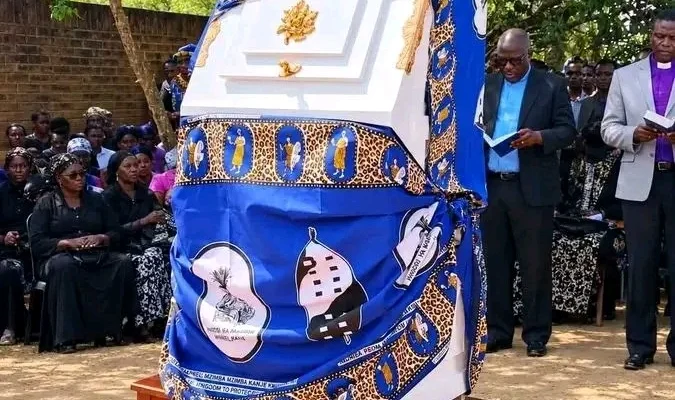
Even in death, Inkosi Chindi will not lie down. The Ngoni chief is set to be buried seated, in a rare royal tradition that carries a powerful message about leadership, warriorhood and life beyond death.
The unusual burial, scheduled for Wednesday, October 28, 2026, at Euthini Royal Headquarters in Mzimba District, reflects a traditional belief that a chief remains a guardian of his people even after death.
According to information gathered, the Ngoni believe that a chief does not simply disappear when he dies but enters the ancestral world while maintaining a spiritual connection with his community.
Burying him in a sitting position symbolises alertness and readiness to continue watching over his subjects and protecting them against danger.
The tradition also carries a warrior meaning. It reflects the Ngoni’s historical identity as a warrior people, with the seated position representing a leader who remains watchful and ready to defend his territory.
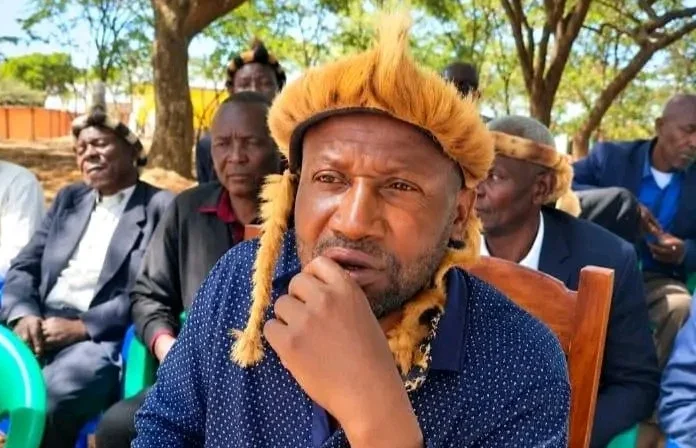
But the royal burial is not just about the position of the body. Ngoni funeral customs may also involve burying a chief near the cattle kraal, which holds special significance as a centre of kingship, authority and cultural identity.
The chief may also be buried with personal possessions associated with his office, symbolising his authority and status as a traditional leader.
However, not all Ngoni royal families follow the same burial customs. While some lineages bury their chiefs seated, others traditionally lay them down, depending on their clan history and customary practices.
Inkosi Chindi died in India on Friday, October 23, 2026, where he had been receiving medical treatment after being sent by the government.
His burial at Euthini Royal Headquarters is expected to bring together traditional and cultural significance as his people bid farewell to their leader.