.…urges MERA to stop fuel monopoly
Consumers Association of Malawi (CAMA) has welcomed a decision by the Malawi Energy Regulatory Authority (MERA) to allow companies and organisations to import their own diesel, saying the move could ease fuel shortages and get businesses back on their feet.
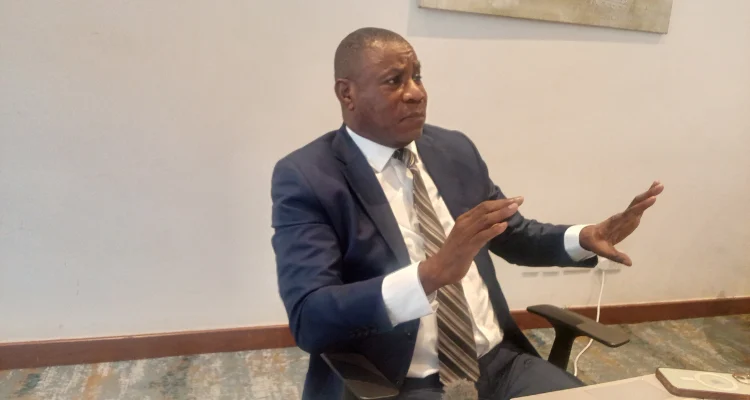
CAMA Executive Director John Kapito said the decision would reduce pressure on filling stations by allowing major fuel consumers to source diesel independently instead of relying entirely on the country’s traditional importers.
In a statement dated November 17, 2026, Kapito said Malawi’s dependence on a few major fuel importers had left the entire economy vulnerable whenever they faced foreign exchange challenges.
He said the arrangement would particularly benefit mining companies, road construction firms, large transporters, factories, tobacco companies and sugar producers, which have struggled to maintain operations due to unreliable fuel supplies.
Kapito said the move would also free up fuel at filling stations for minibuses and ordinary transporters, potentially reducing queues and weakening the black market.
He added that uninterrupted fuel supplies would help factories and construction companies continue operating, protect jobs and ensure goods and services reach consumers.
However, CAMA has warned MERA and government against allowing politically connected individuals and wealthy organisations to dominate the licensing arrangement at the expense of deserving businesses.
Kapito has also called for strict safety and quality controls, urging MERA to inspect private diesel storage facilities and ensure companies use the imported fuel for their own operations rather than selling it on the black market.
He warned that companies found selling privately imported diesel at inflated prices should have their licences revoked immediately and face prosecution.
CAMA has further urged MERA to publicly disclose the names of licensed companies, the quantities of diesel they import and where they store the fuel.
The consumer rights body says the arrangement should remain in place until the country’s national fuel supply stabilises, while calling on government to extend the opportunity to individuals and small businesses wishing to import petrol.
Kapito said the decision was a consumer-friendly intervention that could help restore fuel availability for ordinary Malawians.