
The government’s latest recruitment drive for health workers has come under scrutiny, with sector stakeholders questioning whether the exercise is sufficiently structured to address Malawi’s persistent shortage of skilled medical personnel.
The Ministry of Health and Sanitation has announced walk-in interviews scheduled for November 20–22, 2026, targeting 14 cadres of health workers with support from the Global Fund.
However, the recruitment announcement has raised concerns because it does not disclose the number of vacancies available in each cadre or explain how successful applicants will be deployed across districts and health facilities.
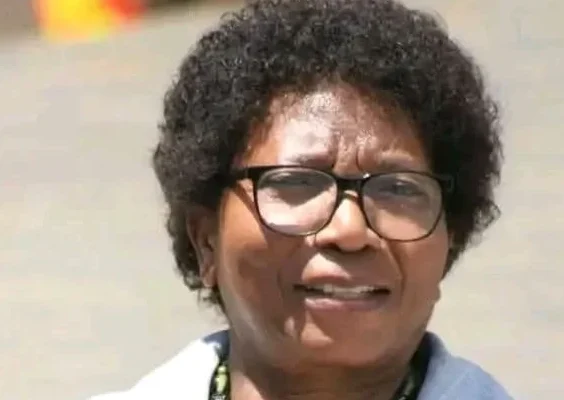
Seasoned nurse-midwife and community health specialist Dorothy Ngoma said the absence of detailed information makes it difficult to determine whether the recruitment exercise adequately reflects the country’s actual healthcare workforce requirements.
Ngoma argued that recruitment should be informed by population growth, disease burden, existing staffing levels and the specific operational needs of individual health facilities.

She stressed that staffing requirements vary across districts and that authorities should clearly establish where personnel shortages are most severe before determining recruitment priorities.
“Staffing requirements are not the same across districts. We need to know where the gaps are, what cadres are needed and how many people are required to improve service delivery,” said Ngoma.
Her concerns come against the backdrop of a broader demand by the Human Resources for Health Coalition for the recruitment of more than 14,400 qualified health professionals, while the 2026/27 national budget provides for nearly 6,000 health workers.
The difference between the two figures has raised questions about the extent to which the latest recruitment exercise will contribute towards closing the country’s healthcare staffing deficit.
Malawi Health Equity Network (MHEN) Executive Director George Jobe acknowledged that increasing the number of health workers is essential for expanding access to healthcare, reducing patient waiting times and improving service delivery.
However, Jobe argued that recruitment should also provide meaningful career progression opportunities for qualified personnel already working in government health facilities.
He cited health surveillance assistants who have upgraded their qualifications in nursing or environmental health, as well as nurses who have obtained degrees in public health, saying such professionals should be allowed to compete for positions that match their additional qualifications and experience.
Jobe expressed concern that previous recruitment exercises had sometimes resulted in newly recruited personnel occupying more senior positions while existing employees who had upgraded their qualifications remained in junior roles.
“This should also be an opportunity to accord higher positions to those who have upgraded, rather than what has happened before, where new entrants would take more senior positions while those who have upgraded remain at junior positions,” he said.
He clarified that his proposal was not intended to guarantee automatic promotions or disadvantage external applicants, but to ensure that serving health workers receive a fair opportunity to compete for positions corresponding to their qualifications.
Jobe further proposed that government should recruit new personnel into junior positions vacated by serving employees who successfully secure more senior appointments, with the State assuming responsibility for the additional salary obligations.
The concerns raised by the stakeholders point to a broader challenge facing Malawi’s health sector: recruitment must go beyond announcing vacancies and conducting interviews to ensuring that qualified personnel are deployed where they are needed most.
Ultimately, the effectiveness of the exercise will depend on the number of health workers recruited, the transparency of the selection process, equitable distribution across districts and the ability of government to retain experienced professionals.