
Government is facing pressure to establish an independent Mental Health Board nearly a year after the Mental Health Act of 2025 provided for its creation, raising concerns over the implementation of the law protecting people with mental health conditions.
Mental Health Users and Carers Association (MEHUKA) Executive Council Chairperson Simon Thom says the absence of the board is undermining efforts to ensure effective implementation of the Act and safeguard the rights of people with mental health conditions.
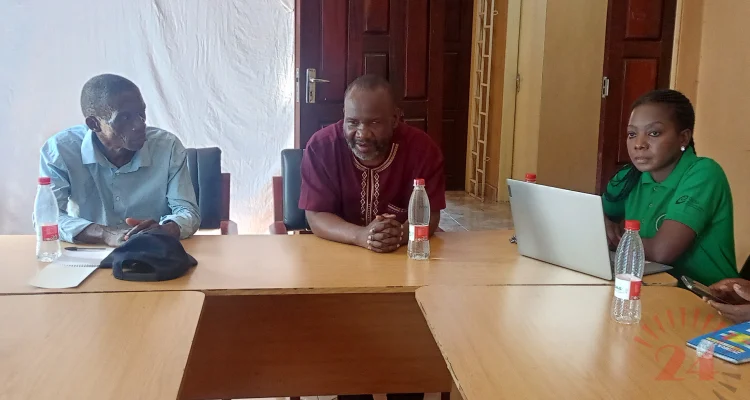
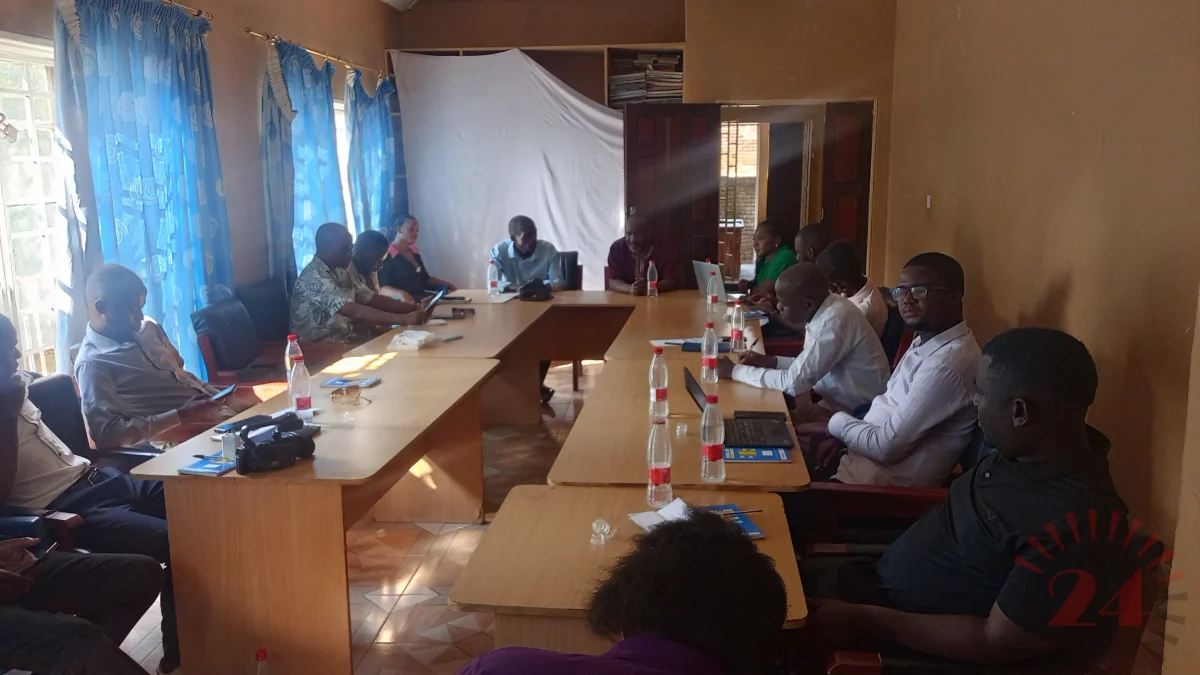
Thom was speaking during a media engagement organised by MEHUKA and the Federation of Disability Organisations in Malawi (FEDOMA) to raise awareness of the new law, which replaced the Mental Treatment Act of 1948.
He said the Act provides for an independent board, which the President is expected to appoint, to oversee its implementation and ensure that the rights of people with mental health conditions are respected.
“Our call to government is that we want it to put in place that board because it is very essential for the board to start functioning,” said Thom.
He also urged the media to educate the public about the Act, particularly its human rights provisions and penalties for people who violate the rights of those experiencing mental health challenges.
Thom said stigma, discrimination and rejection remain major obstacles to recovery, arguing that people who receive proper treatment should be accepted back into their communities and given opportunities to support their families and contribute to society.
“Once these people are discriminated, it becomes difficult for them to recover. But when the community takes them on board, it becomes easier and it helps them to recover easily. So love makes them feel that they are part of the community,” he added.
Meanwhile, FEDOMA Executive Director Simon Munde said the 2025 Act marked a shift from viewing mental health issues purely from a medical perspective to recognising them through a human rights approach.
Munde said some people experiencing mental health conditions end up living on the streets after their own families reject them, exposing them to conditions that further worsen their situations.
He urged families and communities to respect the rights of people with psychosocial disabilities, including their rights to education, employment and healthcare, saying they can also contribute to the country’s social and economic development when given proper support.
“The moment we make sure that their rights are well respected, the right to education right to work and employment and even right to various health services, the moment we do that, I’m telling you, we have citizens that can contribute to the economic and socio-economic development of the country even more than the ones that are calling themselves to be normal,” said Munde.