
The fight to protect girls in Chikwawa has taken a troubling turn, with allegations that some of the very leaders entrusted with ending child marriages are instead helping perpetrators evade justice through bribery.
As concerns grow over the persistence of underage marriages and teenage pregnancies, district authorities have sounded the alarm, warning that corruption among some traditional leaders is undermining efforts to safeguard vulnerable children and enforce the law.
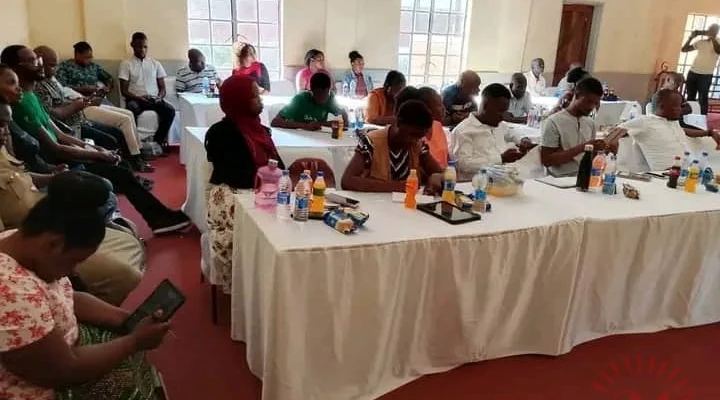
Chikwawa District Commissioner Frank Mkandawire made the remarks during a district stakeholders’ meeting organised by Churches Action in Relief and Development (CARD) with financial support from the Royal Norwegian Embassy under the Faith-Based Approach to Sexual and Reproductive Health Rights (SRHR) project.
The meeting brought together traditional leaders, religious leaders, civil society organisations and young people to assess progress and discuss fresh strategies for tackling child marriages and teenage pregnancies in the district.
Mkandawire accused some traditional leaders of abusing their authority by accepting bribes from individuals involved in child marriage cases, allowing offenders to avoid punishment despite existing council by-laws designed to protect children.
He said such actions weaken community efforts to end harmful practices and deny justice to girls whose rights are violated through early marriages.
He urged traditional leaders to uphold integrity and ensure that anyone involved in marrying off underage girls is held accountable regardless of their social or financial status.
Responding to the concerns, Traditional Authority Ndakwera pledged to strengthen oversight among subordinate chiefs and ensure they actively support efforts aimed at protecting girls from abuse, early marriages and teenage pregnancies.
Ndakwera said traditional leaders have a crucial role in changing attitudes within communities and promised disciplinary action against any chief found working against the objective of eliminating child marriages.
Stakeholders at the meeting emphasized that ending child marriages requires collective action from traditional authorities, religious institutions, civil society organisations, parents and young people themselves.
The CARD-led initiative seeks to increase community participation in promoting sexual and reproductive health rights while addressing practices that expose girls to early marriages and unintended pregnancies.