
Malawi’s NGO sector received K1.3 trillion in funding in 2026, up from K1.02 trillion in 2025, but the increase has reignited questions about whether the growing financial resources are translating into meaningful improvements in the lives of ordinary citizens.
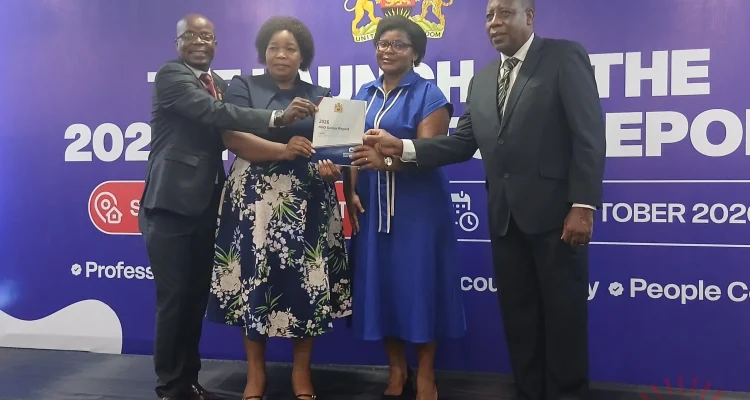
The latest NGO Sector Report, launched this week by the NGO Regulatory Authority (NGORA) in Lilongwe, shows the sector expanded its income despite the withdrawal of the United States Agency for International Development (USAID), one of Malawi’s largest development partners.
The increase comes at a time when many communities continue to face poverty, limited access to essential services and shrinking economic opportunities, raising concerns over how much of the funding is reaching those most in need.
Launching the report, Minister of Gender, Children, Disability and Social Welfare Mary Navicha urged NGOs to ensure that the growth in funding produces measurable benefits for vulnerable groups.
“Let the income growth practically translate into more jobs, social protection programmes and opportunities for vulnerable groups, particularly women, girls, children, people with disabilities and the elderly,” said Navicha.
Her remarks highlight a growing debate over whether increases in donor funding are being matched by visible improvements in livelihoods, healthcare, education and social protection services.
According to the report, the NGO sector received K1.3 trillion in 2026, representing an increase of about 27 percent from the previous year’s K1.02 trillion.
The report also reveals that 50 percent of the sector’s reported income is concentrated among the 20 largest NGOs, raising questions about how resources are distributed across the sector and whether smaller community-based organisations are receiving adequate support.
Meanwhile, 77 percent of the funding was received in foreign currency, amounting to US$568 million, equivalent to nearly K1 trillion.
The growth has surprised some stakeholders given the departure of USAID-funded programmes. However, the report attributes the increase to NGOs’ efforts to diversify funding sources and attract new development partners.
Navicha commended the sector for adapting to the changing donor landscape and exploring alternative financing mechanisms following the loss of major funding streams.
NGORA Board Chairperson Bertha Phiri said the report provides critical evidence that will support policy formulation, planning and oversight of the sector.
“We will continue with this trajectory for the purpose of effective compliance, regulatory, data collection, policy development and proper planning,” said Phiri.
The report is based on audited technical and financial reports submitted by NGOs operating in the country.
As of June 30, 2026, Malawi had 1,403 registered NGOs, although only 1,060 organisations submitted annual reports used in compiling the latest sector assessment.
The report further identified 130 inactive NGOs, while 54 organisations had either closed or could not be traced. Another 159 NGOs were newly registered during the reporting period.