

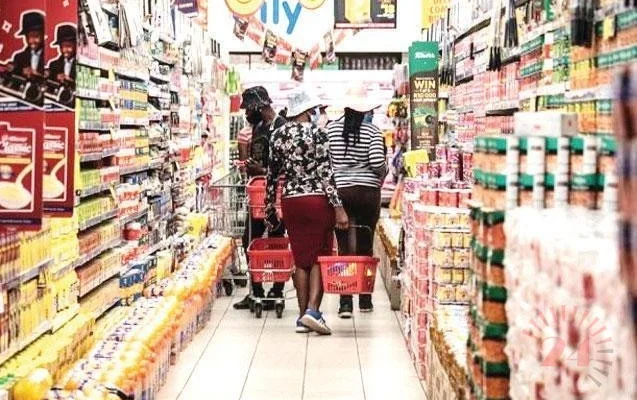
Malawi’s inflation rate has declined, but the slowdown in price increases is yet to translate into meaningful relief for households struggling with the cost of living.
The Reserve Bank of Malawi (RBM) reported that headline inflation fell to 20.1 percent in the third quarter of 2026, down from 22.9 percent in the previous quarter, largely due to a decline in food inflation following improved food availability.
However, non-food inflation remained high at 31.9 percent, highlighting continued pressure from imported goods and other costs affecting the economy.
For households, lower inflation does not necessarily mean that food, transport and other essential goods have become cheaper. It means prices are generally rising at a slower rate than before, while the cost of living remains a challenge.
The central bank expects inflation to average 22 percent in 2026, compared with 28.4 percent in 2025. However, its outlook for 2027 has worsened, with inflation now projected at 20 percent, up from an earlier forecast of 18.5 percent.
The upward revision suggests that the expected easing of inflation could take longer than previously anticipated, prolonging pressure on household budgets.
In its monetary policy statement released on Wednesday, the Monetary Policy Committee maintained the Policy Rate at 24 percent, saying inflation remains significantly above its medium-term objective of five percent.
The committee also raised the Lombard Rate to 26 percent from 24.2 percent, a move intended to strengthen liquidity management and the implementation of monetary policy.
The RBM further warned that risks to the inflation outlook remain elevated, particularly due to geopolitical tensions and the increased likelihood of El Niño weather conditions during the 2026/27 agricultural season.
Such weather conditions could affect agricultural production and food availability, potentially complicating efforts to bring inflation down.
The committee said it would continue monitoring economic developments and adjust its policy stance if emerging risks materially change the inflation outlook.
⁷