
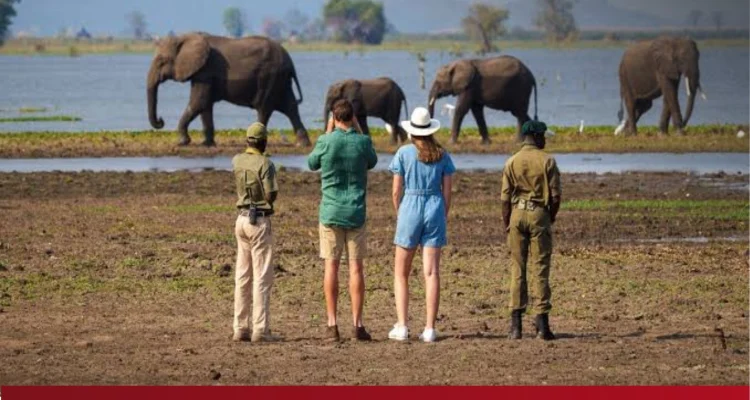
Malawi is fast emerging as one of Africa’s most promising safari destinations as conservation initiatives revive wildlife across its protected areas, with Emma Gregg, author of a recent National Geographic feature on the country, telling Malawi24 the progress deserves far more international recognition than it currently receives.
Speaking via email on Wednesday, Gregg, who is also a photographer, said: “Malawi is well known for being friendly and peaceful, but I feel it deserves fresh attention from international travellers because of its dynamic approach to wilderness and wildlife conservation.”
She said the progress that African Parks and the Department of National Parks and Wildlife have made in protecting and rehabilitating Majete, Liwonde, Nkhotakota, and Mangochi has been immense and is to be applauded.
Malawi, she explained, is now a Big Five safari destination with genuine potential, but its parks and reserves remain refreshingly uncrowded compared to Kenya’s Maasai Mara or Tanzania’s Serengeti.
“I’ve also long been impressed by Malawi’s commitment to responsible tourism practices. The 2025 Tourism Act added weight to this vision,” said Gregg.
She concluded by noting that Lake Malawi is beautiful and fascinating, especially around Likoma Island, but there is far more for visitors to do than chill out on the lakeshore.
Malawi, she said, is a great destination for anyone interested in botany, birds, and hiking, recommending the Nyika Plateau or Mount Mulanje, which was inscribed as a UNESCO World Heritage Site in 2025.
For its part, the Ministry of Tourism says it is working to spread the benefits of conservation tourism beyond the flagship Liwonde and Majete reserves.
Ministry spokesperson Patric Botha told Malawi24 that the government is developing tourism facilities such as accommodation and building biodiversity to increase the visitor experience in other protected areas.
Pressed on how much tourism in protected areas contributes to Malawi’s GDP and foreign-exchange earnings, Botha said exact figures were not immediately available, but stressed that beyond lake tourism, national parks and wildlife offer significant attractions both within the region and internationally.
On balancing conservation priorities with the needs of communities living near protected areas, Botha said the government engages communities in livelihood-enhancement activities such as beekeeping and livestock production.
Investments are also underway at Nyika National Park, where plans include visitor roads, staff accommodation, and an additional 20-room tourist lodge.
On Mount Mulanje, the government is promoting the Mount Mulanje Cable Car and Ecotourism Resort project, one of 10 priority tourism investment projects under the 2022-2042 National Tourism Investment Masterplan.
The project entails a 30-room mountain inn and a 60-seat restaurant atop the mountain, a cable car, a 16-room eco-lodge at the base station, a health spa, a wellness center, a themed restaurant, and an information office.
According to the National Geographic report by the global media and science organization, lions, elephants, cheetahs, wild dogs, and rich birdlife now thrive in Liwonde and Majete, where Shire River boat trips bring visitors within arm’s reach of hippos and crocodiles.
Beyond its parks, Malawi’s defining feature is water. Lake Malawi, one of the world’s largest freshwater lakes, covers over 20 percent of the country and anchors a laid-back lakeside scene of kayaking, sailing, snorkeling, and beachside dining.
Timing, the report notes, shapes the experience. May to August brings cool, dry weather; September and October turn hotter and drier, drawing animals to waterholes for easier viewing.
November to April ushers in rain, but rewards travelers with lush scenery, wildflowers, and migratory birds in breeding plumage.
Getting there is straightforward: Kamuzu International Airport, near Lilongwe, connects to Nairobi, Addis Ababa, and Johannesburg, with Chileka Airport serving Blantyre as a second gateway.
Domestic flights link both airports to Likoma Island and Chelinda Camp in Nyika, though organized tours remain the most popular option and buses or rental cars suit independent travelers.