
HIV isn’t taking a holiday in Neno, where more than 409 new cases were registered in the first nine months of 2026, raising questions about awareness, access to prevention services and other factors fueling infections.
Neno District has recorded more than 409 new HIV diagnoses in the first nine months of 2026, highlighting the continuing challenge of preventing new infections as health authorities prepare to introduce a long-acting preventive drug.
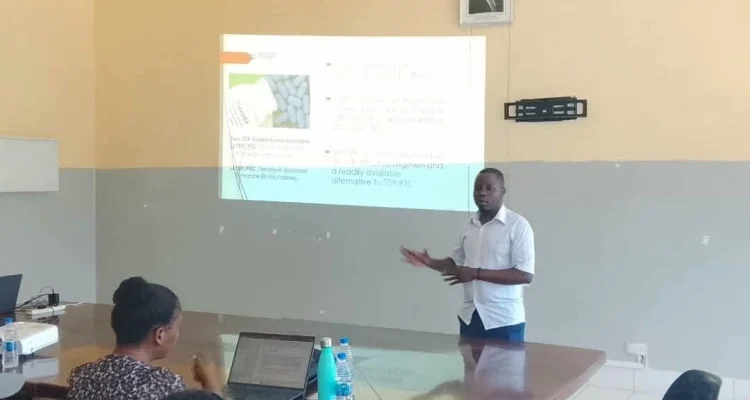
The figure, disclosed during a stakeholder orientation on injectable pre-exposure prophylaxis (PrEP), comes after the district recorded 552 cases in the whole of 2025.
Neno District Health Office clinical officer Willy Chisindo said the new drug, lenacapavir, is designed to help prevent HIV infections, particularly among people who face challenges taking daily preventive medication.
The injection is administered twice a year, offering an alternative to daily oral PrEP for eligible people who prefer a longer-acting prevention option.
Chisindo identified businesspeople, media workers and health workers among groups that could benefit from the new option, particularly those who struggle with daily medication or fear being seen taking pills in public.
However, he cautioned that the injection should not be treated as a reason to abandon other HIV prevention measures.
The development comes as questions remain about the factors behind the hundreds of HIV diagnoses recorded in Neno and whether existing prevention services are adequately reaching people at risk.
The 409 cases recorded between January and September do not necessarily mean all those people acquired HIV during that period. Some may have been living with the virus before being diagnosed.
A comparison with figures from the same nine-month period in 2025 would also help establish whether the number of diagnoses is rising or falling.
Meanwhile, Neno District Health Office nutrition officer Esnath Macheka and Neno District HIV/AIDS Coordinating Committee chairperson Stainly Chalakwa urged people to seek HIV testing early, begin antiretroviral treatment when diagnosed and maintain nutritious diets to support their health.
Chisindo said people living with HIV had been placed on life-prolonging treatment, describing the progress as important to efforts towards the 95-95-95 targets for 2030.
Under these targets, 95 percent of people living with HIV should know their status, 95 percent of those diagnosed should receive treatment, and 95 percent of those receiving treatment should achieve viral suppression.
With the introduction of long-acting PrEP, health authorities hope to strengthen HIV prevention, but its impact will depend on access, uptake and continued use alongside other prevention measures.