

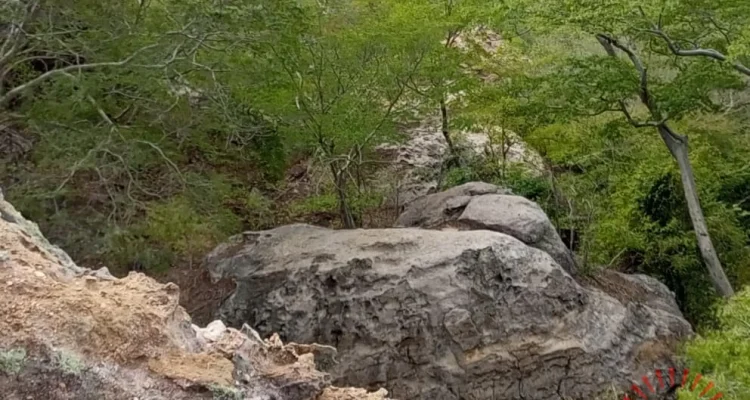
Wildlife, towering rock formations and quiet wilderness could soon translate into more visitors and revenue for Nsanje as Mwabvi Wildlife Reserve prepares for this year’s Tourism Month.
The Department of National Parks and Wildlife says the reserve is ready to welcome visitors with game drives, wildlife viewing and scenic sites.
Wesley Kawaye, Division Manager for the Shire Valley in the department, said Mwabvi offers visitors an opportunity to explore the reserve and see wildlife in its natural habitat.
“Mwabvi offers game drives across the reserve, allowing visitors to explore its natural landscapes and observe wildlife in its natural habitat,” said Kawaye.
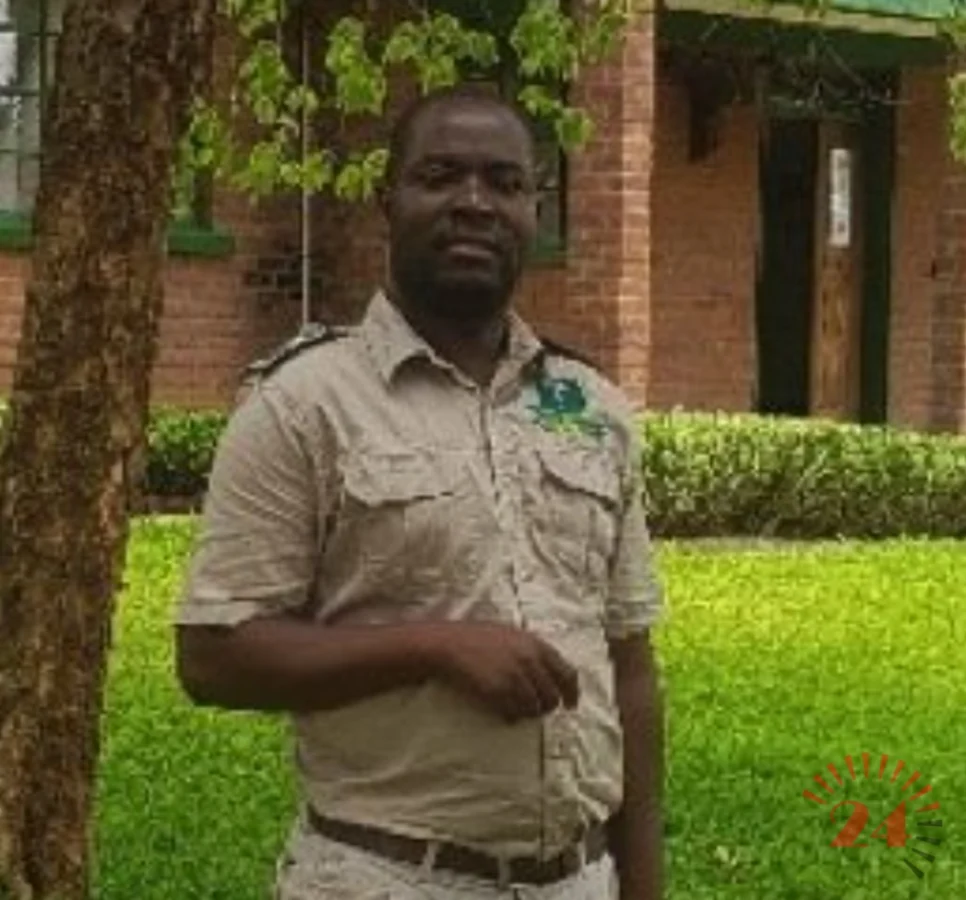
He said Nambira waterhole offers another wildlife viewing opportunity, allowing visitors to watch animals as they come to drink.
Kawaye said the site is suitable for visitors who want to observe wildlife behaviour in a quieter setting.
But wildlife is not the only attraction expected to draw visitors to Mwabvi.
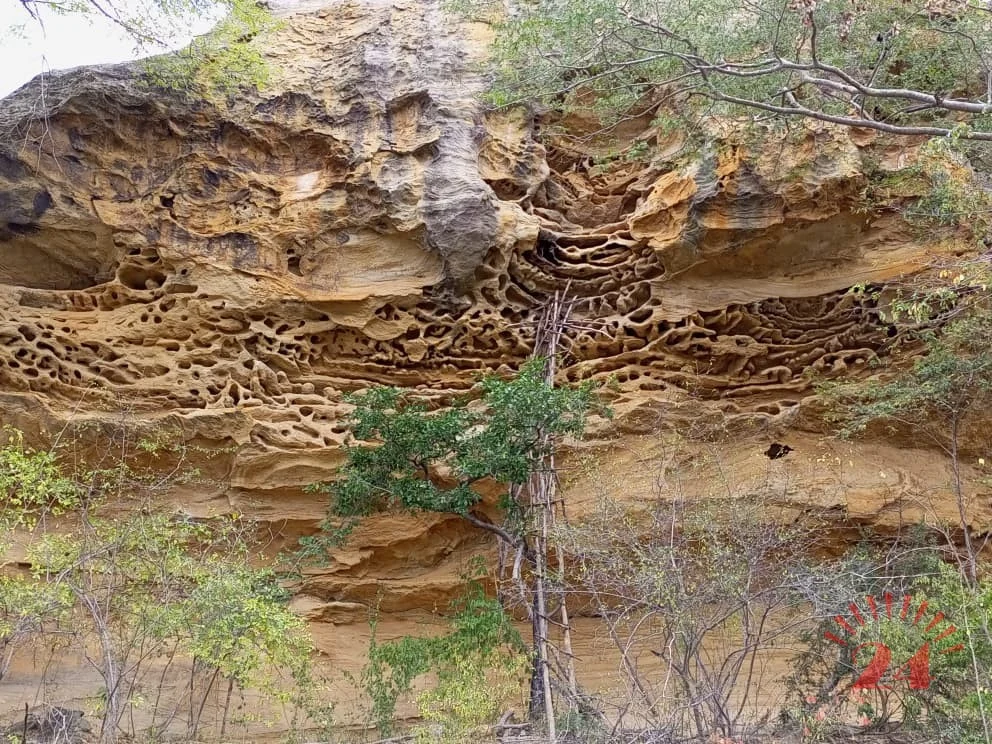
Regular visitor John Erick from Blantyre said the reserve’s rock formations provide opportunities for photography and nature exploration.
Erick said Mwalawamphasa, located about 300 metres from Migudu Campsite, offers panoramic views of the Thangadzi riverine vegetation and the Matandwe Hills.
He also highlighted Mwalawankhunda, commonly known as Dove Stone, which is linked to traditional beliefs that doves once nested in depressions on the rock.
Located about eight kilometres west of Bangula in Nsanje District, Mwabvi Wildlife Reserve was established in 1953.
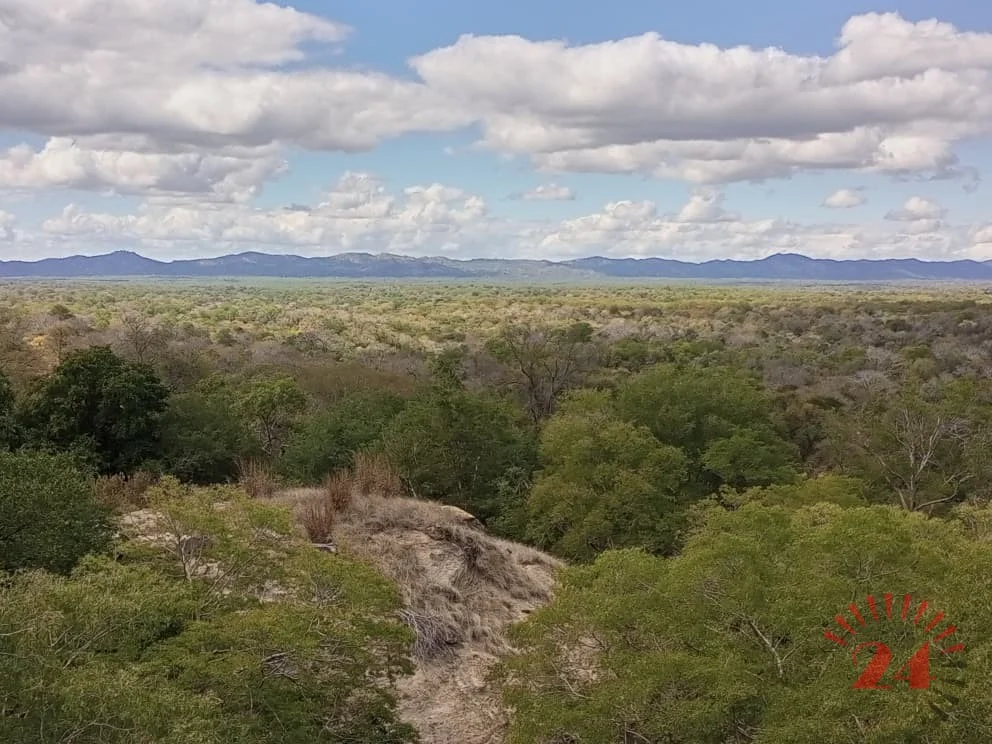
The reserve covers about 135 square kilometres and hosts African buffalo, nyala, greater kudu, suni, impala, common duiker, bushpig and warthog.
Spotted hyenas are also found in the reserve, which has recorded about 350 terrestrial bird species.
The name Mwabvi comes from the Mwabvi tree found in the reserve.
The tree is associated with traditional beliefs surrounding the identification and killing of suspected witches and wizards.
Tourism Month is commemorated every September to promote domestic and international tourism and highlight the sector’s contribution to economic growth and conservation.
The Department of National Parks and Wildlife is encouraging Malawians to visit protected areas as authorities seek to grow domestic tourism and generate revenue for wildlife management.