
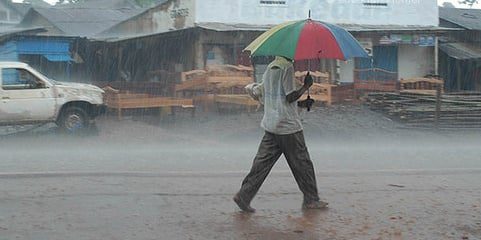
Malawi is expected to receive normal to above-normal rainfall during the 2025/2026 season, but uneven distribution, high temperatures, and the risk of floods pose significant threats across multiple sectors.
According to a statement by the Department of Climate Change and Meteorological Services under the Ministry of Natural Resources and Climate Change, while overall rainfall totals are likely to support crop growth and sustain water bodies such as Lake Malawi, the forecast masks substantial challenges that could disrupt agriculture, health, energy, transport, and education systems.
One of the most concerning aspects of the forecast is the anticipated dry conditions in February 2026, a critical month for crop development. Nationwide, rainfall is expected to be normal to below-normal during this period, increasing the likelihood of prolonged dry spells and moisture stress, particularly in rainfed agricultural zones.
Localised areas in Mchinji, Dowa, Kasungu, and Lilongwe are also projected to receive below-average rainfall, further threatening maize and legume production in central Malawi.
“The season will be marked by dry spells, particularly in critical months like February, along with delayed starts, false onsets, and periods of intense heat, leading to moisture stress and increased pest activity in crops.
“Heavy downpours also pose a significant threat, potentially causing severe soil erosion and localised flooding, which could devastate crops and vital infrastructure,” read the statement.
In addition to rainfall deficits, temperatures are expected to be above average throughout much of the season, with December and February forecasted to be especially hot, likely to accelerate evapotranspiration, reduce soil moisture, and place additional stress on crops and livestock.
The department further says the potential for delayed onset of rains, false starts, and unpredictable rainfall patterns could disrupt planting calendars and reduce harvest outcomes. Localised heavy downpours may trigger flash floods, leading to soil erosion, damage to roads and bridges, displacement of communities, and destruction of agricultural land and infrastructure.
“Consequently, sectors vital to daily life—including water resources, health, agriculture, education, transport, and energy—could face disruptions from floods, storms, and heatwaves,” it added.
In the energy sector, although Lake Malawi levels are expected to remain stable, siltation from runoff and extreme weather could affect hydropower operations. Education and transport services may also be interrupted due to storm damage or impassable roads during peak rainfall periods.
To address these risks, the Ministry of Natural Resources and Climate Change is urging all sectors to prioritise early preparedness and climate-resilient planning. Key recommendations include promoting climate-smart agriculture, strengthening infrastructure, enhancing early warning systems, and ensuring communities have access to accurate and timely weather information.
The Ministry says it will continue to issue daily, weekly, and seasonal updates, as well as advisories and warnings for extreme weather events.