
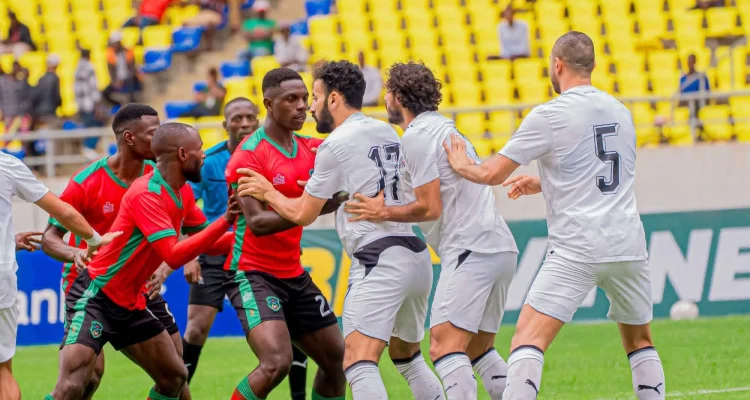
Malawi produced a much-improved tactical performance on Tuesday, holding Egypt to a goalless draw in their 2027 Africa Cup of Nations (AFCON) Group B qualifier at Bingu National Stadium in Lilongwe.
The result came four days after the Flames suffered a humiliating 5-0 defeat against the same opponents in Cairo, but this time Kalisto Pasuwa’s men demonstrated better defensive organisation, midfield balance and attacking transitions.
Although Egypt remained the more dominant side in possession, Malawi showed that they had learned some lessons from the previous encounter, with a change in formation proving particularly important.
Here are five tactical observations from the Flames’ response.
𝟭. 𝗧𝗵𝗲 𝘀𝘄𝗶𝘁𝗰𝗵 𝘁𝗼 𝟰-𝟯-𝟯 𝗯𝗿𝗼𝘂𝗴𝗵𝘁 𝗯𝗲𝘁𝘁𝗲𝗿 𝗯𝗮𝗹𝗮𝗻𝗰𝗲
One of the biggest changes was Pasuwa’s decision to abandon the 4-4-2 formation used in Cairo and introduce a 4-3-3 system.
Babatunde Adepoju was dropped from the starting lineup, with winger Gaddie Chirwa coming in to provide additional width alongside Wisdom Mpinganjira.
The change gave Malawi three midfield options, with Charles Petro and Lloyd Njaliwa operating centrally while Patrick Mwaungulu played in a more advanced role.
This offered better opportunities to protect the central areas, which had been a major weakness in the previous encounter. Malawi were no longer relying on two central midfielders to cover too much ground against Egypt’s technically gifted players.
𝟮. 𝗪𝗶𝗻𝗴𝗲𝗿𝘀 𝗯𝗲𝗰𝗮𝗺𝗲 𝗽𝗮𝗿𝘁 𝗼𝗳 𝘁𝗵𝗲 𝗱𝗲𝗳𝗲𝗻𝘀𝗶𝘃𝗲 𝘀𝘁𝗿𝘂𝗰𝘁𝘂𝗿𝗲
Another interesting adjustment was how Malawi used their wingers when defending.
Rather than allowing Egypt to exploit the wide areas, the winger on the side of the ball dropped deeper to support the full-back, occasionally creating a defensive line of five.
Meanwhile, the opposite winger remained in a position to support the team’s attacking transitions.
This was important because Egypt had previously used their wide attacking movements and crosses to punish Malawi. The additional defensive coverage made it more difficult for the visitors to find unmarked players in dangerous areas.
However, Egypt still managed to create opportunities through crosses, particularly when they overloaded their right side in the second half.
𝟯. 𝗣𝗲𝘁𝗿𝗼 𝗽𝗿𝗼𝘃𝗶𝗱𝗲𝗱 𝘁𝗵𝗲 𝗺𝗶𝗱𝗳𝗶𝗲𝗹𝗱 𝗽𝗿𝗼𝘁𝗲𝗰𝘁𝗶𝗼𝗻 𝗠𝗮𝗹𝗮𝘄𝗶 𝗻𝗲𝗲𝗱𝗲𝗱
Charles Petro’s positioning was another important feature of the improved performance.
The defensive midfielder appeared more disciplined in protecting the space in front of the centre-backs, giving Malawi a more reliable central presence when Egypt attempted to build attacks.
In the previous encounter, Malawi struggled to protect the area between midfield and defence, allowing Egyptian players to receive possession and threaten the defensive line.
This time, Petro’s positioning offered better security and also gave the defenders a more dependable passing option when building from the back.
The later introduction of Yankho Singo for Njaliwa further strengthened that approach, with two natural defensive midfielders providing additional protection.
𝟰. 𝗠𝗽𝗼𝗸𝗲𝗿𝗮 𝗯𝗲𝗰𝗮𝗺𝗲 𝗮𝗻 𝗶𝗺𝗽𝗼𝗿𝘁𝗮𝗻𝘁 𝗽𝗹𝗮𝘆𝗲𝗿 𝗶𝗻 𝗯𝘂𝗶𝗹𝗱-𝘂𝗽
Perhaps one of the most interesting tactical developments was the contribution of Blessings Mpokera from central defence.
His previous experience as a midfielder was evident in his composure on the ball and ability to play progressive passes.
Rather than simply clearing possession, Mpokera occasionally stepped forward and helped Malawi progress through the middle of the pitch. At certain stages, he moved into midfield, allowing Njaliwa to operate slightly higher and giving the Flames additional numbers when building attacks.
His influence was particularly noticeable in the 40th minute when he initiated a move that eventually saw Gomezgan Chirwa advance into Egypt’s half before setting up Mwaungulu.
It was an encouraging development because Malawi needed players capable of breaking Egypt’s initial pressing structure through intelligent passing rather than repeatedly resorting to long balls.
𝟱. 𝗖𝗼𝘂𝗻𝘁𝗲𝗿𝗮𝘁𝘁𝗮𝗰𝗸𝘀 𝗶𝗺𝗽𝗿𝗼𝘃𝗲𝗱, 𝗯𝘂𝘁 𝘁𝗵𝗲 𝗳𝗶𝗻𝗮𝗹 𝗽𝗿𝗼𝗱𝘂𝗰𝘁 𝗿𝗲𝗺𝗮𝗶𝗻𝗲𝗱 𝗮 𝗽𝗿𝗼𝗯𝗹𝗲𝗺
Malawi looked more threatening when transitioning quickly from defence into attack.
Mpinganjira’s pace provided an important outlet, while Chirwa offered another option on the opposite flank. The Flames created opportunities through these movements, including Mwaungulu’s effort in the 53rd minute and Mpinganjira’s attempt three minutes later.
However, the coordination of the final passes remained inconsistent.
Some promising counterattacks were wasted through overhit passes or poor timing, preventing Malawi from making the most of the spaces Egypt left behind when committing players forward.
There was also a warning in the 71st minute when Egypt launched a counterattack against Malawi’s high defensive positioning, creating a three-against-one situation that required an important save from George Chikooka.
𝗧𝗵𝗲 𝗯𝗶𝗴𝗴𝗲𝗿 𝗽𝗶𝗰𝘁𝘂𝗿𝗲
Malawi’s performance was not perfect, but the tactical response was encouraging. The Flames showed better midfield organisation, improved defensive coverage and greater confidence in playing through the thirds.
Egypt still created dangerous opportunities, and Chikooka’s late saves, particularly his brilliant intervention in the 87th minute, were important in preserving the clean sheet.
The goalless draw does not erase the disappointment of the 5-0 defeat, but it provides evidence that Malawi can make tactical adjustments and compete more effectively against stronger opposition.
Ultimately, Pasuwa’s biggest achievement was addressing several weaknesses exposed in Cairo. The next challenge is to build on that improvement, sharpen the attacking execution and turn better performances into victories.