
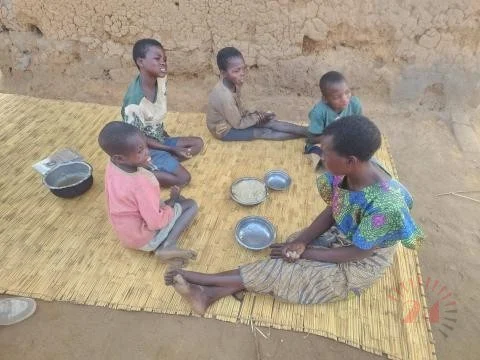
Millions of Malawians are now finding it increasingly difficult to put food on the table as rising maize prices push the cost of the country’s staple food beyond the reach of struggling households.
The national average retail price of maize rose by seven percent in October 2026, from K1,001 per kilogramme in the last week of September to K1,072 in the last week of October, according to the International Food Policy Research Institute (Ifpri).
The increase comes as the country enters the lean season, when household food stocks begin to run low and more families turn to markets to meet their daily food needs.
For households that depend on casual labour (ganyu) and irregular incomes, the rising cost of maize is making it harder to afford enough food, forcing some to reduce meal portions, skip meals or cut spending on other basic needs.
The Integrated Food Security Phase Classification (IPC) and Malawi Vulnerability Assessment Committee project that 2.6 million people, representing 14 percent of the analysed population, will face Crisis (IPC Phase 3) levels of acute food insecurity between October 2026 and March 2027.
The affected households are expected to struggle to meet their minimum food requirements as food stocks decline and their ability to buy maize weakens.
Centre for Social Concern economic governance programme officer Agnes Nyirongo said rising maize prices were adding to the financial pressure on low-income households, particularly those relying on unpredictable earnings.
She warned that some families could be forced to reduce food consumption and compromise dietary diversity because their incomes could no longer afford the same quantities of maize.
Meanwhile, the Department of Disaster Management Affairs (Dodma) says it is preparing to assist vulnerable households during the 2026/27 lean season, with its preparedness plan requiring 440,000 metric tonnes of maize.
However, the wider El Niño response faces a funding gap of K324 billion, representing 72.32 percent of the required resources, raising concerns about whether enough assistance will reach vulnerable households as the lean season progresses.