
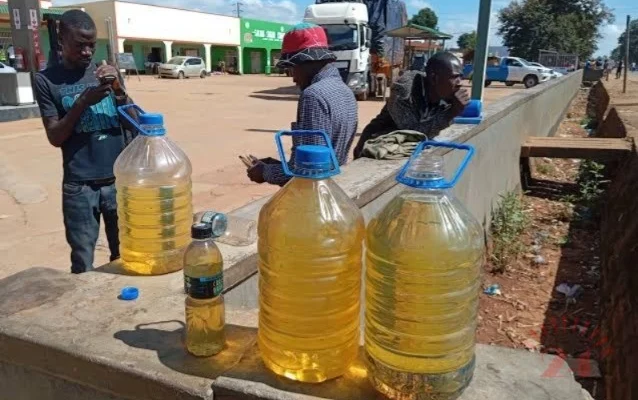
Some Kabaza operators are accused of deepening Malawi’s fuel crisis by buying the scarce commodity for resale instead of using it to transport passengers.
The operators allegedly queue at filling stations to buy fuel, only to sell it at inflated prices to desperate customers, turning a national shortage into an illegal money-making venture.
The Minibus Owners Association of Malawi says the practice is adding pressure to an already strained fuel supply, leaving ordinary motorists and businesses to compete for an increasingly scarce commodity.
Speaking to Malawi24, the association’s General Secretary, Coxley Kamange, accused some Kabaza operators of abandoning their transport businesses to cash in on the crisis.
“Some Kabaza operators have stopped their business of transporting people. Instead, they are buying fuel and selling it to other people, which is bad,” said Kamange.
He said the practice was unfair to Malawians who depend on fuel for their daily activities, adding that selling the commodity outside authorised channels was against the law.
Kamange welcomed police arrests of people suspected of illegal fuel trading, saying the crackdown was helping to bring order to the market.
“Though the supply is still low, the initiative is helping to bring sanity,” he added.
He has also called on government to urgently find a lasting solution to the crisis, warning that prolonged shortages are taking a toll on transport operators and their businesses.
A few weeks ago, Energy Minister Jean Mathanga assured Malawians that the fuel shortages would end soon, saying government was working to improve supplies.
Mathanga also warned that those involved in illegal fuel trading would face the law and said government had a long-term strategy to prevent the crisis from recurring.
But the assurances have yet to translate into relief for motorists. Long queues remain a familiar sight at filling stations, with some drivers reportedly spending entire nights waiting for fuel.
As motorists struggle to keep their vehicles moving, allegations that some operators are buying fuel for resale raise concerns that the illegal trade is further tightening supplies and allowing a few individuals to profit from the suffering of many.