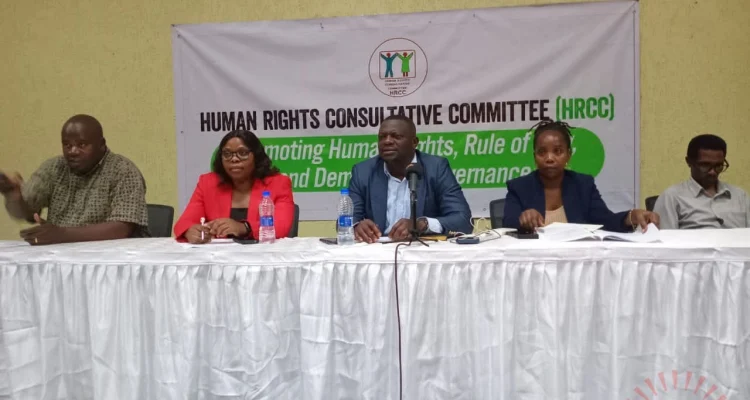
The Human Rights Consultative Committee (HRCC) says fuel smuggling across Malawi’s borders is contributing to persistent shortages, raising concerns that supplies intended for domestic consumers are being diverted into illegal markets.
The organisation says it conducted investigations across border districts between October 15 and 31, engaging community policing structures, residents, transport operators and fuel consumers to establish why available supplies were failing to meet market demand.
“Fuel is indeed being moved illegally across borders meaning that supplies intended for the domestic market may be diverted, worsening local shortages,” said HRCC Board Chairperson Robert Mkwezalamba.
Apart from cross-border movements, HRCC has raised concerns over alleged fuel hoarding, saying some operators are withholding available stocks from the formal market to facilitate illegal sales and profiteering.
The organisation has also observed the growth of unauthorised fuel vending, with traders reportedly selling the commodity at prices substantially above regulated pump prices, making access more difficult for ordinary consumers and small businesses.
HRCC warns that the illegal trade is undermining government procurement efforts because fuel purchased using scarce foreign exchange is not necessarily reaching its intended beneficiaries. It also raises concerns about unregulated storage and transportation, which expose communities to fire and explosion risks.
The organisation has called for investigations covering the entire illegal supply chain, including fuel sources, transporters, storage facilities, financiers and beneficiaries, while urging MERA and law enforcement agencies to independently verify filling stations’ reported stock-outs.