


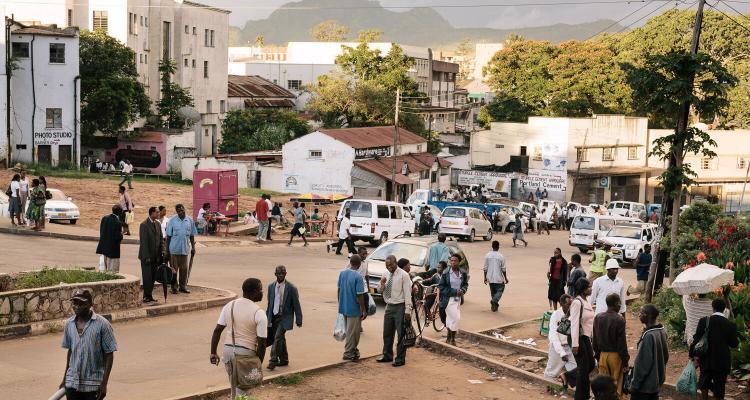
Malawi’s rising population is a serious cause for worry for the country’s socio-development, economy and environment, an analyst has said.
According to statistics from the 2015-16 Malawi Demographic and Health Survey) (MDHS) conducted by the National Statistical Office (NSO), the country’s population stands at 17,749,826.
This statistic shows an increase of the population by 3.11 % from a similar survey carried out in 2010 whose rise was at 2.99% from the preceding survey.
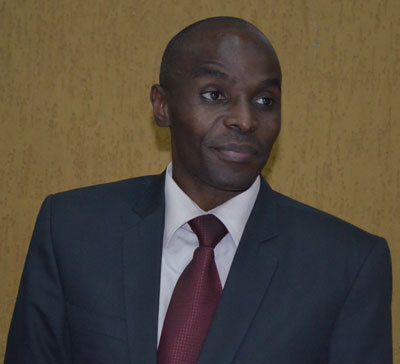
According to Economist Dalitso Kubalasa, this poses a great threat to the country.
Malawi’s GDP by 2015 according to the economywatch was at MWK 176,997.00.
Kubalasa told Malawi24 that over the years, the trend has affected the nation’s economy, development, people’s socio-economic wellbeing and the environment.
He said: ‘’Rapid population growth is therefore putting undue pressure on the scarce natural resources, much more so on the ever-strained provision of public social services (education, health and other infrastructure) besides any equally strained public efforts to create wealth-creation and employment opportunities.‘’
Kubalasa who heads the Malawi Economic Justice Network (MEJN) added that the environment has also not been spared with the end result falling to its disadvantage.
“The population increase has therefore actually exerted more pressure on land over time, resulting in intensive and unsustainable land use, among others ending in such floods and drought disasters as have hit in the year 2015 ever. The rate of soil erosion above all else has increased over time, due to the increasing cultivation of marginal land and general and wanton cutting down of trees, all of which is highly susceptible to soil erosion. Poor farming practices have also exacerbated the problem. Deforestation has occurred at a very rapid rate in order to pave way for farmland,” he told Malawi24.
He added: “In terms of social development, Malawi’s social indicators confirm the presence of widespread poverty, just as the social status of many Malawians, especially the poor, is relatively low. This is continuously witnessed by low literacy rates, high mortality rates, high fertility rates, low productivity and low levels of income. The high fertility rate combined with a projected decline in infant mortality implies a high population growth and further pressure on the land, the environment and the delivery of social services.”
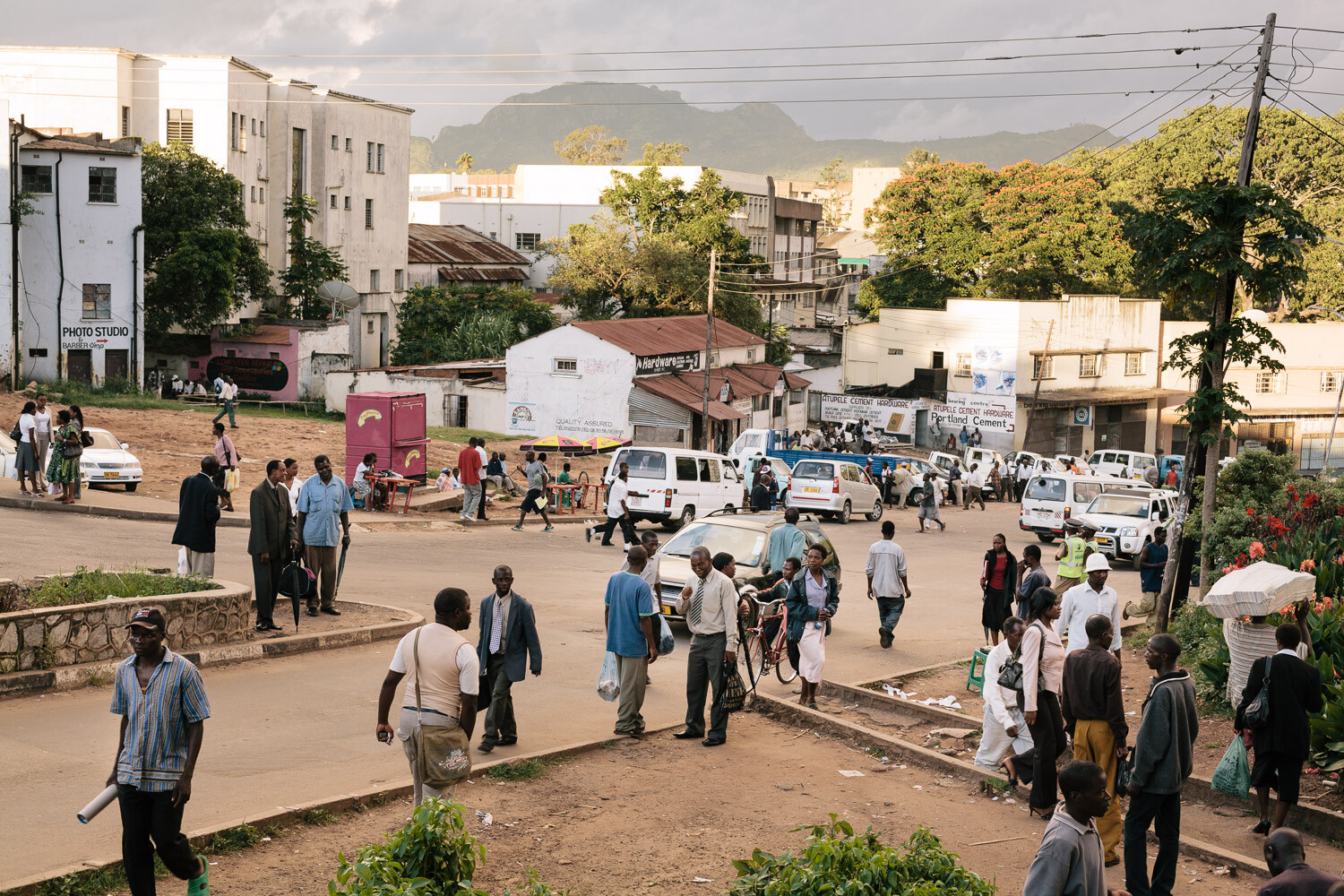
But what could be done to make sure that the population growth does not affect the economy greatly? Kubalasa said there is need for the implementation of strategies that will aim at curbing the rapid population.
“Implementing a comprehensive reproductive health care program, targeting improving literacy, promoting gender equity and promoting economic empowerment for rural development. In order to facilitate sustainable economic development and attain people’s better living standards, the population should have access to basic social services including functional literacy, primary education, primary health care, clean water and sanitation and decent shelter,” he said.
In addition, the economist said more efforts also need to be done towards raising the literacy levels in Malawi which he argues pose serious implications for the labour productivity.
“Any increases in adult literacy rates will therefore greatly help further encourage the understanding and the eventual expected effective use of any such propagated family planning methods and directives or policies which help lead to reduced fertility rates,” he added.
According to a recent World Bank report, total population in Malawi was last recorded at 16.8 million people in 2014, from 3.5 million in 1960, representing a 377 percent increase in 50 years.
Malawi has one of the highest population growth rates in Africa. In 1965 the population was estimated at 3.9 million and it had reached 7.982 million by 1987, and the estimated average growth rate was 3.2 percent per annum. In 1998 the population was estimated at 11 million and is expected to reach way over 30 million by the year 2020.
While the country’s total fertility rate has been declining over the past two decades, they remain one of the highest in Africa.
Currently the total fertility rate is at 4.4 (2015-16 (MDHS) from 5.7 in the 2010 MDHS.









Good to for lake dispute
Hahahahaaaa ndiye awa akulimbikila Xeno-wa akapitiliza a Malawi nkubwelela zikhala bwaaaa poti half ya a Malawi ili ku Southafrica???.
Ok i have solution now deport all Atumbuka and Atonga abwelele kwawo ku #Mpotorepublic kkkkkkkkk
Tachokani apa munaonapo ana anga akugona ndi njala zitsakukhudzeni
Half of malawians are living in Zimbabwe
Musadandaule zakuchulukana,mulungu ndiye amadziwa za dziko,dandaulani za anthu akufa.
Eya kah tizichulukana chimangaso nchambiri mbiri azidya nda?
Wanthu wapani vyakuchita……
We gat nothing to worry as long as u stop your nonsense publicity, deal with cashgate ,maize gate salary gate, service delivery gate corruption gate, ##### Malawi gate all things wil be ok.
Mwayambapo … mukufuna kuthawira ku population instead of admitting that u still alot frm us? ??? Hw does it affect u if I hv a child /?? Stupid gvnt..
Ine nde sinnayambe kusosola nanga ndikayamvmbamo
We are less than 20 million nde vuto lanu lilipati?population ili mmanja mwa Mulungu,abortion,kulera,(child spacing) onse ndi machimo believe me,koma yemwe akuziwa kuti anabwela kuzakhala pansi pano ndikuchotsela za hereafter tiyenazoni
If God can give me 20 kids then I’ll be happiest man
That’s 20 more street kids??
I need to fulfill holy words from the bible
Kodi paja population ndi chani pa chichewa? Let us reproduce, mmesa amati tibelekane ngati the golden sand of our beautiful beaches? Tiyeni tichulukane basis..
my name is Mokgadi Manaka doctor abumen help me to cure my HIV/AIDS virus with an herbal medicine, am sharing
this to the world to save some lives, believe me there is a cure, you can contact dr abumen on his email address [email protected] and you can also call or whatsapp his number which is {+2347085071418} please share to save lives.
Ine nde ndapanga katemera oti anthu azibala ma twix iwo manyaz bwaaa? Zammutu bas
Inu kudwala mwana wachikulilano.
Mumafuna tizifa tisamachulukane, mkhalango zonsezi azakhala ndani?
Majolity iz rule. ngat anzathu kumpoto akukanika kutenga dziko coz alipo ochepa. India ndi china ali ndi anthu pafup fupi 2.5 billion kaya anthu maiko amenewo akumasamalana bwanji? Mzinda umodzi wa mumbai kuli anthu 20 million
Thubulo and gondolosi zidyedwe basi.
nanga zisitha bwanj when early teenage pregnancies are in fashion,
Umbuli ndiye wachulukadi kodi inu school zamkomya wapabanja zija aphunzitse amakaphunzira kumikologwe ndi ku Maligunde zilikuti nanga zakwacha. Koma a president amenewo amadziwa kuti kunali masukulu ngati amenewo.
As long as there are so many subsidies i.e free primary education, so many burseries at secondary level of education, free medical services in public hosputals, free farm inputs, free food in times of calamities,,, expect we the poorers in villages to reproduce as much as we can. We hav nothng to wory about
That’s not true,
So braz Godfrey Masawo, tell me the truth
Now Malawi is the poorest on planet earth next there will be no more Malawi ’cause neighbours will lose patience of being embarrased with bad press about the neighbour. Solution they will share Malawi among themselves, Zambia, Tanzania,and Mocambique!
iwo akudandaula chani za chiwrlengero cha anthu mdziko amatidyesa ndi iwo. ?ine uyu ali mmanja baasi wakula ndkufuna ndiyambepo kupanga za wina
Asachuluke nzeru Mulungu siwowo tiyeni nazo mula mwana wakula uyo
kkkkkkk ndiye muimverere ulendo uno ndi ma twinz
Mfundo imeneyi pa mbumba pathu paja anthu angayimve? chifukwa paja anthu akuberekatu
Fundo Imenei Azikainena Mmakwao Sizobwelesa Pagulu Pano.
ndalama zokuba kuchepa anthu kuchuluka..sichoncho?
mmesa ndi inu nomwe mukuti, no to abortion,, just legalize abortion, population will go down, mwachangu,
Berekanani chulukanani ngat mchenga Sitinakwanise apa tiyeni nazoooo lol
Town imeneyi
I dislike people who talk about population because its God’s will!
And it says be fruitful and multiply
for sure , is this analyst GOD?he is blind
God may not be there
I’NT THAT THE RISING OF A POPULATION IS A SITUATION. LETS STOP LISTENING TO WHITE PEOPLE. IF WE ARE TO COMPARE THERE COUNTRIES AND OUR MOTHER MALAWI U’LL FIND THAT THEY HAVE A BIG # THAN AS.
Tiberekane tichulukane ngati nchenga palibe zodandaulits apa.
Hahahaha tipeza tender to supply people to other countries. The case study of David Banda. Adoption in my mind
Ndie muzilowela nawo kt pot kuli brexit ndi trump omwe akudana ndi mdzika zamaiko ena. Kulowera nawo kumadzulo kukhala ku france ndie nakonso kwavutanso
Nanga kubelekana ngati makosweku tiwina tender Kapena kkkkkk