

Malawi barters Malawians health data for US to lift visa restrictions? US says the deal will help prevent infectious diseases reaching American soil
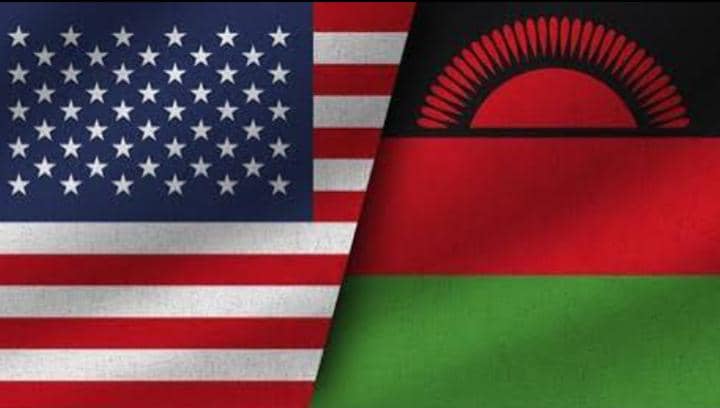
Malawi’s removal from the United States visa restrictions list appears increasingly tied to a controversial new agreement that grants Washington expanded access to the country’s health data, including monitoring the effects of vaccines on citizens.
The development has fuelled claims that the government has effectively bartered public health information in exchange for restoring visa privileges.
The announcement coincided with Lilongwe and Washington signing a multi-million-dollar health cooperation agreement, prompting debate over whether strategic and diplomatic interests, rather than the full resolution of data protection concerns, influenced Washington’s timing.
The Malawian government has yet to clarify the level of data sharing envisaged under the deal, what protections are in place, or whether immigration compliance conditions were attached.
However, Malawi24 has confirmed that the United States has entered a five-year cooperation framework aimed at strengthening Malawi’s health system while shielding Americans from international infectious disease threats.
Signed under the America First Global Health Strategy, the agreement prioritises HIV AIDS, malaria, tuberculosis, and other communicable diseases. Subject to U.S. Congressional approval, up to US$792 million will be channelled into Malawi’s health sector over the five year period.
Minister of Finance Joseph Mwanamvekha has openly acknowledged that Malawi’s prime motivation is securing financial support, as the country struggles with chronic funding shortfalls in its national health system.
The partnership also marks a shift toward government-led service delivery, with U.S. technical support expected to access and manage health-related data on maternal and child health, polio eradication, digital health platforms, and long-term HIV epidemic control.
U.S. officials maintain that the programme is designed to build sustainable resilience within Malawi’s health sector while “preventing infectious diseases and other outbreaks reaching the American soil”.
Yet health rights advocate Maziko Matemba has urged caution, warning that Malawi must secure durable national benefits rather than barter away citizens’ privacy protections for short-term relief.
His concerns arise from the timing of events Malawi was removed from the U.S. visa ban list only after the health data agreement was concluded. It was only at that point that both governments publicly cited immigration reforms as the formal justification for lifting the restrictions.
The U.S. Department of State, under Secretary Marco Rubio at the time, had imposed an indefinite halt to visa processing for 75 countries over what it called heightened fraud and security risks. The list included Afghanistan, Nigeria, Pakistan, Uganda, and others.