

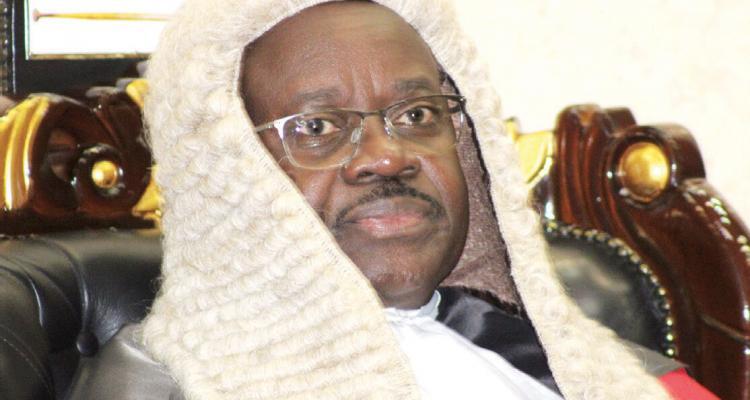
A recent court ruling has sparked widespread anger and concern across Malawi. The court ordered that taxpayers’ money, through the Reserve Bank of Malawi (RBM), be used to compensate the now-defunct Finance Bank of Malawi for alleged business losses dating back to 2005.
For many Malawians, this is not merely a legal matter; it is a moral and national concern that touches on justice, accountability, and good governance.
The Finance Bank of Malawi was closed after failing to comply with the country’s financial and regulatory laws. These laws exist to protect depositors, maintain financial stability, and safeguard the public interest.
As a result, many citizens are questioning why a bank that violated the law should now be compensated using public funds. At a time when ordinary Malawians are already facing severe economic hardship, it appears deeply unfair to burden taxpayers with the consequences of a private institution’s failures.
Judges, like all public officials, derive their authority from the Constitution and the people. They are not infallible and should not be beyond scrutiny. While judicial independence is vital, it should not be mistaken for immunity from accountability.
Courts exist to deliver justice, not to issue decisions that disregard the daily struggles of citizens or impose an unjust burden on taxpayers.
Public trust in the judiciary depends on transparency, fairness, and consistency. When a court decision appears unreasonable or disconnected from common sense, citizens have the right to question it. Speaking out does not undermine the judiciary; rather, it reflects a society that values justice and democratic principles.
In this context, many Malawians have welcomed President Peter Mutharika’s directive to the Attorney General to challenge the ruling. This action is widely viewed as an effort to protect public funds and ensure that the decision undergoes proper legal scrutiny.
Challenging a court ruling through lawful channels is not an attack on the judiciary; it is a legitimate part of the checks and balances within a democratic system.
The ruling has also reignited broader discussions about integrity within the justice system. In the past, some legal experts and whistleblowers, including Alex Kamangira, have raised concerns about ethical shortcomings within sections of the judiciary.
While such allegations must be handled with caution and proven through lawful processes, they underscore the need for strong oversight and uncompromising ethical standards in the legal profession.
Malawians are not naïve, nor should they be taken lightly.