
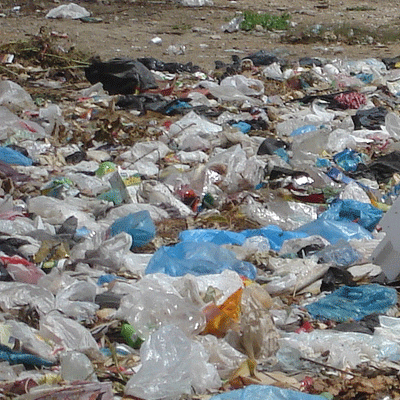
LILONGWE, Malawi. In the deepest corners of Lilongwe, thin plastics lie scattered across roads, markets, and waterways silent evidence of a waste crisis that refuses to fade.
Benedetta Daka, 42, of Village Head Mzumara under Traditional Authority Njewa, remembers when two of her goats died after swallowing plastic materials.
“When we examined them, their stomachs were swollen,” she says.
“My plea to the government is to closely monitor companies that continue producing these plastics. This problem is killing us and violating our right to live in a safe and healthy environment,” Her experience is common.
A 2024 multi-institutional study involving Queen’s University Belfast and Lilongwe University of Agriculture and Natural Resources found that 80 percent of butchers reported discovering plastic materials inside goats during slaughter, threatening both animal health and smallholder livelihoods.
Malawi banned thin plastics in 2015, but enforcement was halted by court injunctions for nine years.
On January 31, 2025, Justice Howard Pemba delivered a landmark ruling upholding the ban on thin plastics under 60 microns, ending legal resistance from 11 foreign-backed companies including City Plastics Industry, Flexo Pack Limited, and Plastimax Limited.Yet as markets remain flooded with outlawed plastics, a deeper problem emerges.
Malawi is a signatory to the Bamako Convention but has never ratified it, leaving the country without the institutional framework to effectively combat plastic pollution.
Treaty Gaps
The Bamako Convention prohibits hazardous waste importation into Africa and requires parties to control transboundary movement of such waste. While not all plastics are classified as hazardous under the Convention’s annexes, plastic waste containing chemical additives, stabilizers, and colorants including heavy metals like cadmium and lead qualifies as hazardous material requiring controlled management.The Convention requires parties to take measures preventing hazardous waste generation at source and ensuring environmentally sound management. Article 6 mandates designation of competent authorities with clear responsibilities. While, Article 10 requires monitoring and enforcement systems to prevent illegal dumping.Without ratification, Malawi lacks formal obligation to implement these mechanisms. The country has no systematic tracking of plastic waste imports, no comprehensive inventory of hazardous additives in plastics flooding markets, and no reporting to the Convention’s Regional Coordination and Harmonization Mechanism.”Malawi is fully into complying with the Bamako Convention, but the government needs public support to address the challenges,” says Clement Makuwa, Programs Manager at National Youth Network on Climate Change (NYNCC).

Yet compliance without ratification remains voluntary, unenforceable, and invisible to regional oversight.
Alice Boyosi, a 40-year-old banana vendor from Tsiliza Village, continues using thin plastic bags for customers despite knowing they are banned. She lost a goat to plastic ingestion.
“This is a serious problem. These plastics do not rot easily,” Boyosi says. “I would like the government to consider designing and promoting alternative packaging,” her continued use reflects the enforcement gap.

The United Nations Development Programme estimates Malawi produces 75,000 tonnes of plastic annually, 80 percent reportedly single-use.
Yet without ratification, Malawi cannot access the Bamako Convention’s technical assistance programs for developing alternatives or building waste management infrastructure.
The persistence of banned plastics in markets points to illegal imports and back-door manufacturing.
Makuwa warns this creates a “silent crisis” that continues stifling land, affecting soil fertility and aquatic systems.Samuel Katundu of Lingadzi Village says plastic pollution has made farming increasingly difficult.
“Plastics prevent crop roots from penetrating the soil properly, which reduces productivity,” Katundu says. “My goat died after swallowing plastic, and my business collapsed. I had no choice but to switch to motorcycle taxi work to earn a living.”

The Bamako Convention’s Article 9 establishes provisions for monitoring illegal traffic and imposing penalties on violators. Article 11 mandates cooperation in enforcement, including information exchange among parties to prevent transboundary smuggling.
Without ratification, Malawi cannot participate in this regional intelligence sharing.
When banned plastics cross borders from neighboring countries, there is no mechanism for coordinated action or mutual legal assistance that the Convention provides.
Aubren Chirwa, Malawi Environment Protection Authority (MEPA) Environment Information and Education Manager, acknowledged indications that banned products are being smuggled into the country. MEPA fined more than 50 companies last year but faces resource constraints.
“Previously MEPA had faced financial challenges especially on human resources, resulting in poor enforcement of the ban,” Chirwa said.
MEPA has signed Memoranda of Understanding with district councils including Blantyre, Mzuzu, Zomba, and Lilongwe to work with district environmental officers and police officers.
Chirwa noted that although Malawi has not yet ratified the Bamako Convention, the country is making efforts to curb importation of hazardous waste.
MEPA plans to collaborate with the Malawi Communications Regulatory Authority to enforce electronic waste regulations following a rise in harmful electronic device imports.
Environmental expert Mathews Malata says addressing plastic pollution requires a comprehensive approach.
“To effectively tackle plastic pollution, Malawi must strengthen its waste management infrastructure, increase public awareness, and improve coordination among government agencies.

Inter-country collaboration is also critical, especially with neighboring countries, to prevent transboundary movement of hazardous waste.”Ratification would provide the legal framework for this collaboration.
The Convention’s Article 13 requires parties to transmit information on hazardous waste management to the Secretariat, creating transparency that enables regional coordination.
Article 15 establishes the Regional Coordination and Harmonization Mechanism to facilitate information exchange, harmonize policies, and provide technical assistance.
With ratification, Malawi could access Technical support for developing biodegradable packaging alternatives including coordinated border enforcement to prevent smuggling.
The Convention also creates accountability. Mandatory reporting would force documentation of plastic waste imports, track enforcement actions, and identify gaps—data that civil society groups and affected communities could use to demand action.
Currently, Malawi’s plastic crisis exists in a data vacuum.
Without systematic documentation of waste flows, chemical additives, or health impacts, the country cannot demonstrate progress or access international support specifically designated for Bamako Convention implementation.
The January 2025 High Court ruling was a significant milestone, ending years of legal impunity.
Former Attorney General Kalekeni Kaphale and Chikosa Silungwe joined the State in opposing the companies’ application in 2024.
Yet court judgments alone cannot clean Malawi’s streets, protect its livestock, or restore its soils.
Without the institutional capacity the Bamako Convention requires such as designated authorities, monitoring systems, regional coordination, and transparent reporting enforcement remains reactive and under-resourced.
“Enacting the law alone is a huge milestone, but citizens need to understand their role in the ban and why they need to support their government,” Makuwa says.
But citizens cannot play their role when the systems meant to manage hazardous materials don’t exist or aren’t enforced.
Farmers like Daka and Katundu need more than court rulings, they need functional waste management, accessible alternatives, and regional cooperation that prevents smuggling.
The World Health Organization has raised concerns about potential health effects of microplastics, though more research is needed. Malawi’s soils are already suffering reduced fertility from plastic contamination.
For Malawi, the path forward requires transforming its Bamako Convention signature into ratification, building the institutional framework the treaty mandates, and joining the 29 African countries that have committed to continental protection through transparent, coordinated action.
Until then, the January 2025 court victory remains what it is in Lilongwe’s markets today, a legal milestone undermined by enforcement gaps, smuggling channels, and the absence of regional cooperation that only treaty ratification can provide.