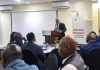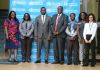


Airtel Africa Foundation has launched a new technology scholarship programme in Malawi aimed at breaking financial barriers and fast-tracking the country’s next generation of digital talent.
The initiative, dubbed the Nzeru Fund, will sponsor 25 undergraduate students from low-income households to study science, technology, engineering, and mathematics (STEM) courses at the Malawi University of Science and Technology (MUST).
The scholarships are designed to address persistent skills gaps that have kept many young Malawians from fully participating in the digital economy.
Under the programme, high-performing first-year students enrolled in disciplines such as information technology, computer science, software engineering, data science, artificial intelligence and cybersecurity will receive full financial support for the duration of their studies at MUST’s Thyolo and Blantyre campuses.
Airtel Malawi Managing Director Aashish Dutt said the initiative reflects the company’s long-term investment in education as a driver of national development.
“Education is at the heart of nation-building,” Dutt said at the launch ceremony.
“The Nzeru Fund represents our belief that talent should never be limited by background. By supporting these students, we are investing in Malawi’s digital future.”
Beyond tuition, the scholarship package includes a monthly stipend, accommodation fees, data bundles, and a one-off pocket Wi-Fi device, a comprehensive support system aimed at ensuring students can focus fully on their studies.
MUST Vice-Chancellor Professor Mauakowa Malata welcomed the partnership, noting that financial constraints remain one of the biggest obstacles facing capable students.
“Many bright young people lose opportunities simply because they cannot afford them,” Malata said. “These scholarships will not only change individual lives but will also strengthen Malawi’s capacity in science, technology, and innovation.”
The Nzeru Fund forms part of Airtel Africa Foundation’s broader continental strategy to nurture digital skills and promote inclusive growth across Africa, positioning education as a cornerstone of long-term economic transformation.