Nearly 20 newborn babies die every month at Mangochi District Hospital, raising concerns about the challenges facing maternal and newborn healthcare services in a district recording up to 1,800 deliveries monthly.
The figures paint a worrying picture of the pressure facing health workers at the facility, which attends to between 80 and 100 pregnant women daily, conducts approximately 60 deliveries within 24 hours and provides care to about 50 babies in its nursery ward.
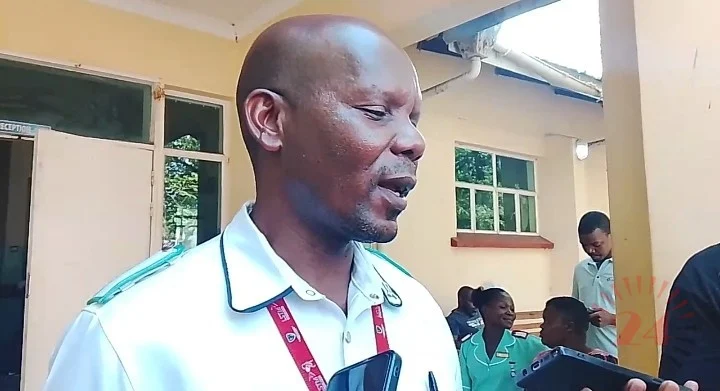
Senior Nursing and Midwifery Officer Ignasio Jowasi disclosed the statistics during a media field visit aimed at highlighting efforts to strengthen essential services during the first 1,000 days of life.
According to Jowasi, the hospital records between 1,200 and 1,800 deliveries every month, reflecting the significant demand for maternity and newborn services.
The nearly 20 neonatal deaths recorded monthly underline the importance of strengthening care for babies, particularly those requiring specialised attention immediately after birth.
The situation also places considerable responsibility on health workers who must attend to mothers during pregnancy, assist with deliveries and provide treatment to newborns, often amid a heavy workload.
Against this background, a project targeting improved maternal, newborn, child health and nutrition services is being implemented in Mangochi and Mzimba North.
The initiative, titled ‘Improving the Quality and Coverage of Maternal, Newborn, Child Health and Nutrition Services in Malawi: Prioritising the First 1,000 Days in Mzimba North and Mangochi’, seeks to integrate healthcare and nutrition services from pregnancy until a child reaches two years.
Funded by the French Embassy, with technical support from Nutrition International, the project runs until July 2027.
Its focus on the first 1,000 days recognises the importance of maternal health, proper nutrition and quality healthcare in influencing a child’s survival, growth and development.