

Malawi’s long-standing focus on increasing school enrolment has come under scrutiny, with education sector stakeholder Benedicto Kondowe arguing that the country has not given sufficient attention to whether children are actually acquiring the knowledge and skills expected from their years in school.
Kondowe said Malawi had concentrated on expanding enrolment since 1997, but the emphasis on access had not been matched by adequate attention to learning outcomes.
“Since 1997, we are focused on enrolment across the board. We haven’t paid great attention on learning,” said Kondowe.
He argued that placing learning at the centre of education transformation was critical to producing the human capital needed to achieve Malawi 2063.
Kondowe also identified teacher development as an important area, noting that teachers play a central role in shaping learners and preparing them to contribute to national development.
Minister of Education, Science and Technology Bright Msaka acknowledged the challenge of translating increased access into improved learning, saying Government’s next priority was to ensure that more children and students benefited from quality education.
“Our next task is to make sure that this greater access leads to better learning,” said Msaka.
He disclosed that primary school enrolment had reached 5.6 million, while secondary school enrolment stood at approximately 600,000. He also said the number of students selected into public higher education institutions had increased from 11,000 in 2025 to 20,000 in 2026.
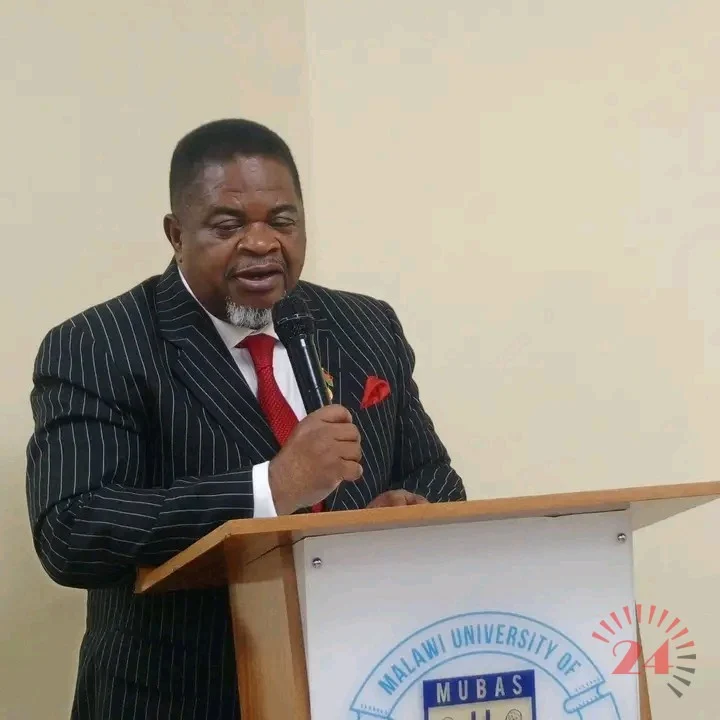
Msaka further stressed that education transformation should go beyond academic achievements to include character development, questioning why some highly educated citizens continue to engage in corruption and theft.
The concerns come as UNICEF Representative Penelope Campbell revealed during the launch that only one in five early-grade learners achieves age-appropriate literacy, highlighting the gap between access to education and actual learning.
The NESIP 2026–2030 seeks to strengthen education delivery across early childhood, primary, secondary, technical and higher education, with emphasis on foundational learning, teacher development, inclusive education and sustainable financing.