
Malawi’s increase in the number of students selected into public higher education institutions has raised expectations about the country’s ability to produce skilled graduates, but questions remain about whether expanded access will translate into meaningful opportunities and national development.
Minister of Education, Science and Technology Bright Msaka said the number of students selected into public higher education institutions had increased from 11,000 in 2025 to 20,000 in 2026, highlighting progress in expanding access to education.
However, Msaka said the next priority was ensuring that increased access translates into improved learning outcomes and education that responds to the needs of the country and its industries.
“Our emphasis will be placed on matters that need to be delivered to education in order for education to be relevant to this country, to industry and other sectors,” said Msaka.
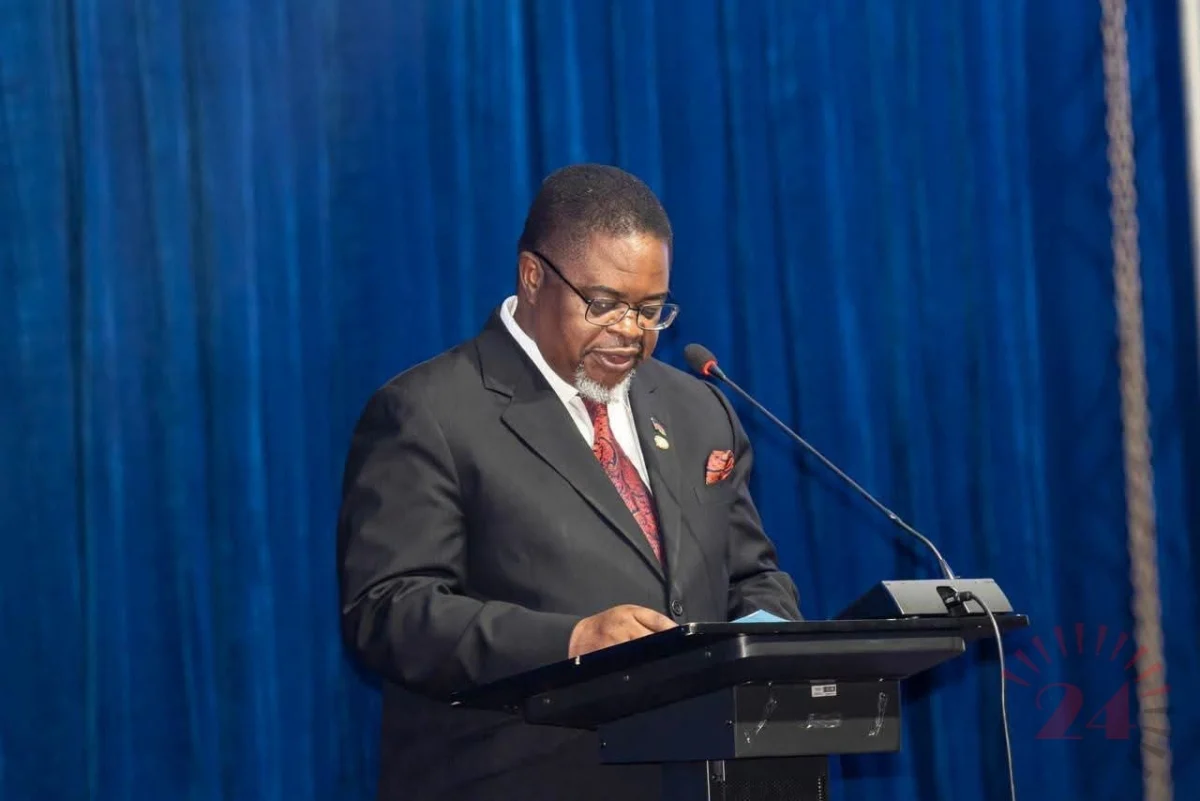
He made the remarks in Lilongwe on Monday during the launch of the 2026 Education Joint Sector Review and the National Education Sector Investment Plan (NESIP) 2026–2030.
Msaka also raised concerns about the character of graduates, questioning why some highly educated citizens continue to engage in corruption and theft despite their academic achievements.
Meanwhile, education sector stakeholder Benedicto Kondowe said expanding access to education would only be meaningful if learners acquired the knowledge and skills needed to contribute to national development.
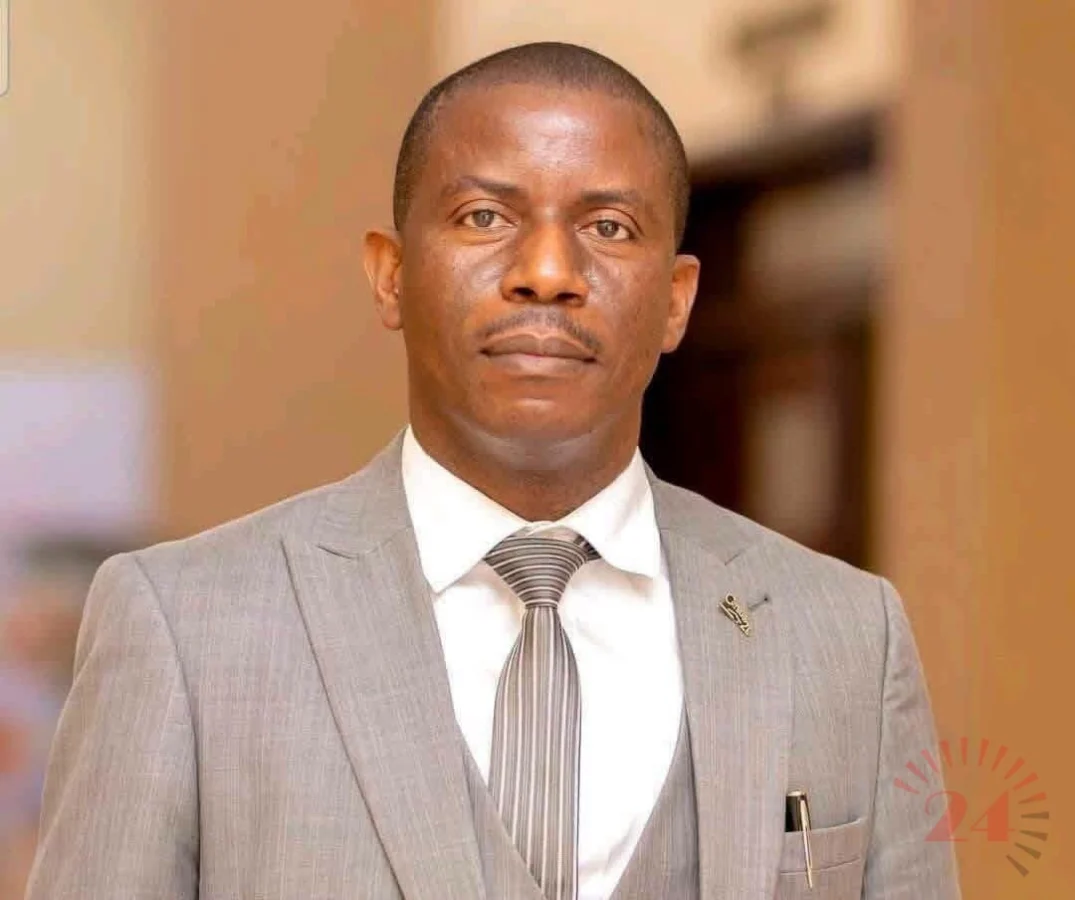
“Access on its own doesn’t mean anything if it doesn’t contribute towards learning,” said Kondowe.
He argued that Malawi needed to shift its attention towards learning outcomes, teacher development and sustainable investment to produce the human capital required to achieve Malawi 2063.
Kondowe further emphasised the importance of teachers in the transformation process, saying they were central to producing the skilled citizens needed to drive the country’s development agenda.
The five-year investment plan covers early childhood, primary, secondary, technical and higher education, with priorities including teacher development, inclusive education, foundational learning and improved teaching and learning materials.