

Malawians who were hoping for quick relief from high prices, fuel shortages and foreign exchange troubles may have to wait longer.
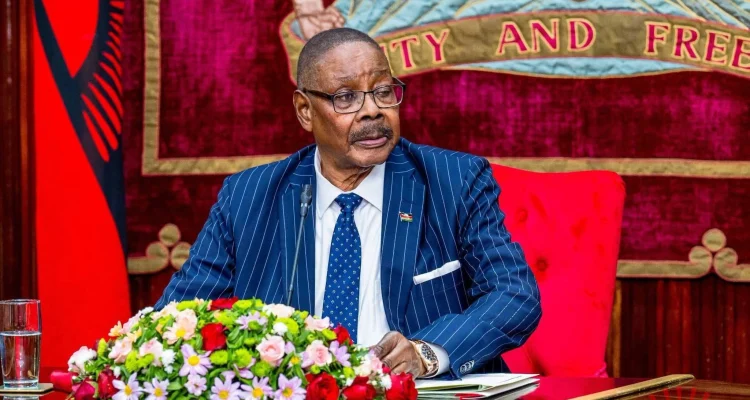
President Peter Mutharika says the road to economic recovery will be painful, with higher taxes, austerity measures and sacrifices likely to hit citizens before things get better.
But the President says there is a bigger plan behind the pain.
Mutharika made the remarks while reflecting on his first year in office, saying his government has made progress but still has much more work to do, particularly in addressing foreign exchange and fuel challenges.
He said he has achieved about 50 percent of what he set out to accomplish during his first year, but urged Malawians to judge his administration against its full five-year tenure rather than its performance in just one year.
“It is going to be a rough road, no question about it,” Mutharika said in an interview with Malawi Broadcasting Corporation.
The President said some of the measures required to repair the economy would be painful, including higher taxes and restrictions on some government spending and activities.
He also said Malawi must restructure its heavy debt burden and ensure that any new borrowing is channelled towards development rather than consumption.
Of his four priority areas, Mutharika said foreign exchange remains the most complicated, with his administration still working to stabilise its availability.
He said the government is in discussions with the International Monetary Fund and World Bank on the possibility of reviving the Extended Credit Facility, which he believes could bring additional resources into the country and help stabilise the economy.
Mutharika, however, said economic recovery would take time, stressing that his four-F agenda of food, fuel, fertiliser, and forex was designed as a five-year programme rather than a one-year project.
The President pointed to food security as one of his administration’s key achievements, particularly the reduction in the price of food and improved access to maize for communities that had experienced hunger.
He pushed back against those who have dismissed food security as an achievement, saying the significance of affordable maize is better understood by people who have experienced hunger.
According to Mutharika, people in areas such as Machinga, Chikwawa, and Nsanje would understand why access to food at an affordable price matters.
He said his administration will continue working to ensure that Malawi has enough food.
But, the President acknowledged that progress has not been uniform, with some areas moving faster than others.
Mutharika also said rebuilding Malawi and restoring the economy has taken longer than his administration initially expected.
He compared the current situation with 2014, when he said his administration managed to turn around the situation within about a year, arguing that the challenges facing Malawi this time are more difficult.
As he enters his second year in office, Mutharika said the government is working with the private sector, including banks and insurance companies, to finance development projects such as roads and mining.
He also appealed to politicians, civil society organisations, non-governmental organisations, faith communities, women, and young people to work together to overcome what he described as growing anger and divisions in the country.
“There is too much strife in this country; there is too much anger with each other for whatever reason,” he said.
Mutharika has urged Malawians to see themselves as one family and one nation, saying collective effort would be essential to moving the country forward.
President Peter Mutharika says the road to economic recovery will be painful, with higher taxes, austerity measures and sacrifices likely to hit citizens before things get better.
But the President says there is a bigger plan behind the pain.
Mutharika made the remarks while reflecting on his first year in office, saying his government has made progress but still has much more work to do, particularly in addressing foreign exchange and fuel challenges.
He said he has achieved about 50 percent of what he set out to accomplish during his first year, but urged Malawians to judge his administration against its full five-year tenure rather than its performance in just one year.
“It is going to be a rough road, no question about it,” Mutharika said in an interview with Malawi Broadcasting Corporation.
The President said some of the measures required to repair the economy would be painful, including higher taxes and restrictions on some government spending and activities.
He also said Malawi must restructure its heavy debt burden and ensure that any new borrowing is channelled towards development rather than consumption.
Of his four priority areas, Mutharika said foreign exchange remains the most complicated, with his administration still working to stabilise its availability.
He said the government is in discussions with the International Monetary Fund and World Bank on the possibility of reviving the Extended Credit Facility, which he believes could bring additional resources into the country and help stabilise the economy.
Mutharika, however, said economic recovery would take time, stressing that his four-F agenda of food, fuel, fertiliser, and forex was designed as a five-year programme rather than a one-year project.
The President pointed to food security as one of his administration’s key achievements, particularly the reduction in the price of food and improved access to maize for communities that had experienced hunger.
He pushed back against those who have dismissed food security as an achievement, saying the significance of affordable maize is better understood by people who have experienced hunger.
According to Mutharika, people in areas such as Machinga, Chikwawa, and Nsanje would understand why access to food at an affordable price matters.
He said his administration will continue working to ensure that Malawi has enough food.
But, the President acknowledged that progress has not been uniform, with some areas moving faster than others.
Mutharika also said rebuilding Malawi and restoring the economy has taken longer than his administration initially expected.
He compared the current situation with 2014, when he said his administration managed to turn around the situation within about a year, arguing that the challenges facing Malawi this time are more difficult.
As he enters his second year in office, Mutharika said the government is working with the private sector, including banks and insurance companies, to finance development projects such as roads and mining.
He also appealed to politicians, civil society organisations, non-governmental organisations, faith communities, women, and young people to work together to overcome what he described as growing anger and divisions in the country.
“There is too much strife in this country; there is too much anger with each other for whatever reason,” he said.
Mutharika has urged Malawians to see themselves as one family and one nation, saying collective effort would be essential to moving the country forward.