
The United States has announced fresh measures targeting people and organizations it accuses of helping finance Hamas, as military tensions involving Iran, Israel and the wider Middle East continue to unfold.
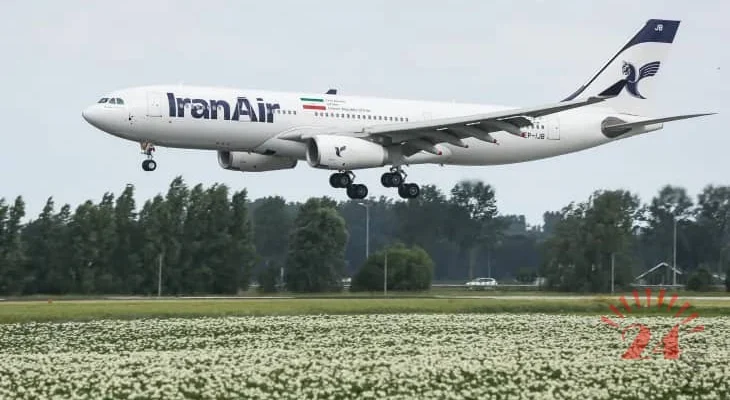
The latest developments were outlined by Al Jazeera in its live coverage of the Iran war, which also reported that Iraq is preparing to allow Iranian airlines to operate dozens of daily flights from Najaf International Airport, although US-sanctioned Mahan Air will remain excluded.
The US Justice Department has separately announced charges against four people over an alleged international Hamas fundraising network, while French authorities have arrested three others allegedly linked to the same operation.
US prosecutors accuse Saleem Alzaq, a 45-year-old Gaza-based man, of being a Hamas member and collecting more than $1.7 million since 2020 through social media campaigns presented as humanitarian fundraising.
Authorities allege that the money was ultimately channelled to Hamas, which the United States designates as a foreign terrorist organisation.
Three US-based men — Omar Adhami, Abdel Adhami and Raed Yousef — were arrested in connection with the investigation.
French intelligence authorities also detained three alleged associates identified as Faouzi Barika, Amel Oualid and Nordine Barika.
The US charges include conspiracy to provide material support to Hamas and conspiracy to commit money laundering. Each charge carries a potential maximum sentence of up to 20 years if convicted.
Meanwhile, tensions involving Iran and its regional adversaries remain high.
Saudi Arabia’s coalition fighting Yemen’s Houthi movement said it intercepted three ballistic missiles allegedly heading towards the southern Saudi city of Khamis Mushait.
The coalition had earlier reported intercepting four drones and two ballistic missiles in the same area.
In southern Lebanon, Israeli aircraft carried out strikes on the town of al-Mansouri, according to Lebanon’s National News Agency. Other areas were also reported to have come under artillery fire.
The United Nations and international agencies continue to face a volatile regional environment as fighting and military operations spread across several fronts.
Oil markets have also been affected by the conflict.
International Energy Agency chief Fatih Birol said oil prices had begun falling following an international decision to release 100 million barrels of oil and fuel reserves.
The United States has also ordered a new Pentagon study examining future warfare and the technologies it believes will shape battlefields, including artificial intelligence, autonomous systems, directed-energy weapons, robotics and biotechnology.
In Iran, Supreme National Security Council secretary Mohsen Rezaei criticised US President Donald Trump and defended Iran’s military position in a statement posted on social media.
The latest developments come as Washington continues its military campaign against Iran while tensions involving Israel, Lebanon, Yemen and other regional actors remain unresolved.
Iraq’s decision to permit Iranian airlines to operate up to 40 flights a day through Najaf International Airport, excluding Mahan Air because of US sanctions, adds another dimension to the rapidly changing regional picture.