

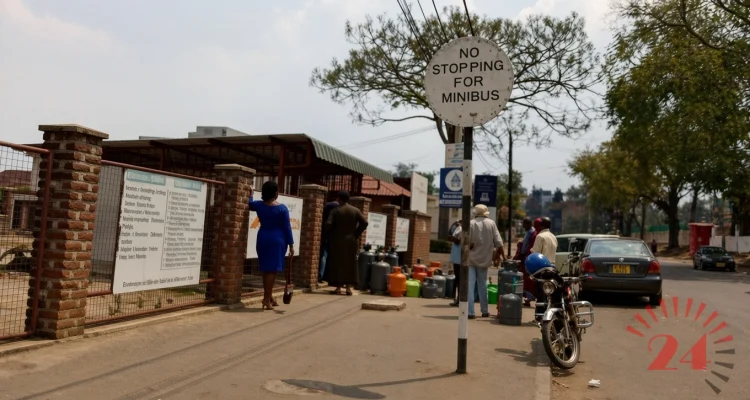
People who switched to Liquefied Petroleum Gas (LPG) to escape the smoke and cost of charcoal are now being forced back to the traditional fuel as the commodity disappears from some parts of Blantyre.
Some LPG users in the commercial city say they have gone for more than a month without finding gas, leaving households that had embraced cleaner cooking with few alternatives.
A snapcheck at several well-known LPG selling points, including Afrox, Gasman and other distributors, found that the commodity was unavailable.
A security guard at one of the selling points said the shortage was linked to difficulties in accessing foreign currency needed to bring in LPG.
“The problem is availability of forex, but our bosses are trying their best to make sure the gas comes. We also receive many people asking for it, but at the moment there is no stock,” he said.
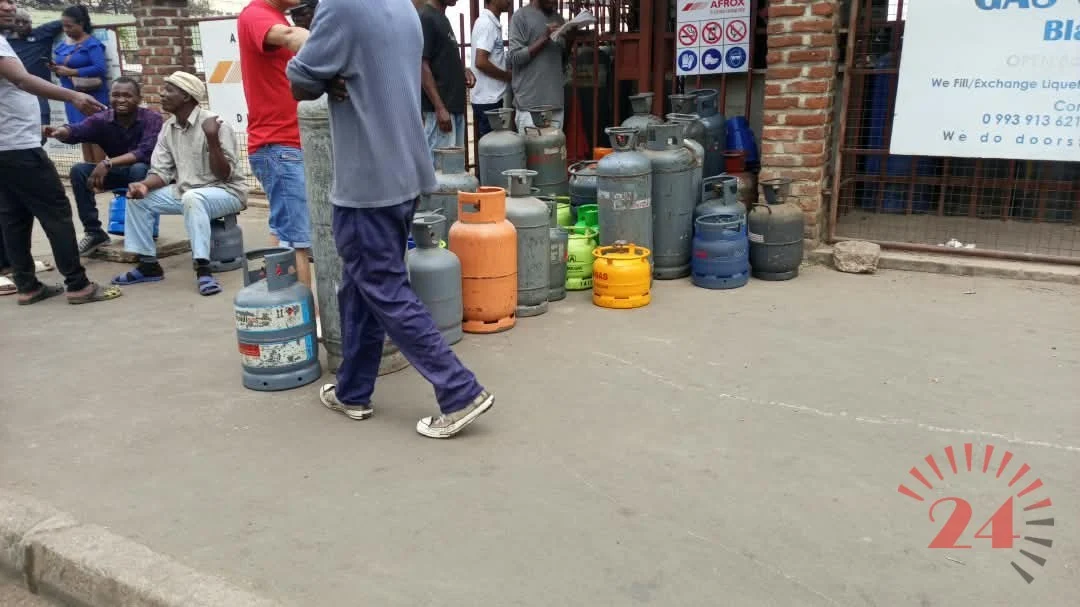
The shortage has forced some users to return to charcoal, despite efforts by authorities to promote cleaner and more sustainable energy sources.
Thirty-two-year-old Melifa Gama, whom we found at a gas station near Ryalls Hotel in Blantyre, said the shortage was frustrating after she had deliberately switched to LPG.
“I have only been using gas for about four months. I had made up my mind that I would not go back to charcoal because gas is cleaner and easier to use. But now I have no choice because I cannot find gas,” she said.
Gama said the continued shortage could discourage people who are trying to move away from charcoal and adopt cleaner cooking alternatives.
The shortage comes as government pushes households to adopt cleaner sources of energy and reduce reliance on biomass fuels such as charcoal.
On Friday, Ministry of Energy officials appeared before the Parliamentary Committee on Natural Resources, where Principal Secretary Elvis Thodi conceded that sustaining alternative power sources remains a major challenge.
Thodi stressed the need for Malawi to urgently construct LPG reserves to prevent disruptions in supply.
“Together with MERA and other stakeholders, including the Reserve Bank and the Ministry of Finance, our immediate pressure is to make sure that we restore stability in the LPG market in the country,” Thodi said.
He warned that Malawi could continue experiencing shortages, particularly for cooking, unless the country develops LPG reserves similar to those for other petroleum products.
According to Thodi, continued shortages could undermine clean-energy programmes and worsen environmental degradation as households return to biomass fuels.
“We want as many households as possible to move away from the use of biomass and adopt cleaner cooking alternatives, particularly LPG. At the same time, increased use of electricity for cooking can put pressure on the national grid,” he said.
The shortage also raises questions over Malawi’s ambition to transition 75 percent of households to clean cooking by 2030.
Committee chairperson Tiaone Hendry urged the Malawi Energy Regulatory Authority (MERA) to develop strategies to improve LPG availability across the country.