
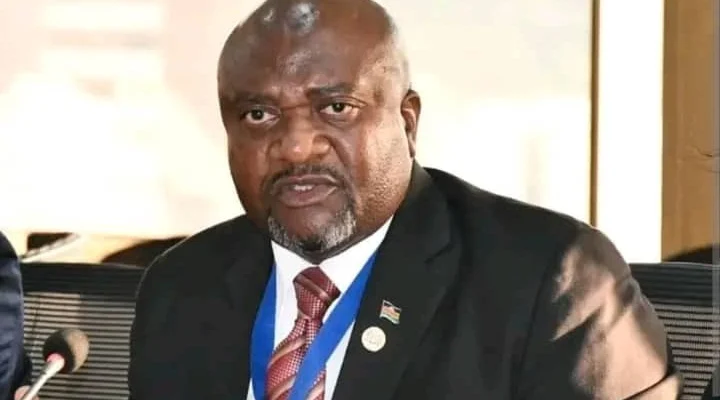
Malawi’s fuel shortages have put a spotlight back on a government procurement deal that former Energy Minister Ibrahim Matola says could have kept the country supplied at lower cost.
Matola has defended the government-to-government fuel arrangement, arguing that it gives Malawi more room to pay for fuel in instalments instead of relying heavily on the expensive spot market.
He said the arrangement was designed to make fuel procurement cheaper and easier to manage, at a time when motorists and transport operators continue to struggle to find fuel in some parts of the country.
But Matola claimed the deal faced resistance from fuel traders who risked losing business if the government-to-government system succeeded.
According to the former minister, some traders sought to undermine the arrangement because it threatened their commercial interests.
He also linked recurring fuel shortages, particularly during election periods, to what he described as attempts to disrupt the government-to-government procurement system.
His claims come as fuel supply problems continue to affect motorists and public transport operators, with shortages adding pressure to an already difficult transport and cost-of-living situation.
Matola said the government-to-government arrangement offered a more predictable way of securing fuel because Malawi could stagger payments to the supplying country.
He contrasted this with spot-market purchases, where fuel has to be sourced at prevailing international prices and can expose Malawi to higher procurement costs.
The former minister also turned his attention to electricity, questioning the current power situation despite initiatives he said were introduced during his tenure to increase generation.
Matola said those initiatives were part of a wider government vision to ensure that 70 percent of Malawi’s population would have access to electricity by 2030.