
Health authorities in Mzimba North have raised concern over persistently high HIV transmission rates in parts of Mzuzu City, calling for targeted prevention strategies and improved access to modern HIV services.
The Mzimba North District Health Office has identified Zolozolo, Masasa and Mzuzu University (MZUNI) as HIV transmission hotspots, largely due to high concentrations of key populations at increased risk of infection.
The concerns were raised on Monday during the launch of a Community Health Rights Advocacy (CHeRA) project aimed at improving health outcomes among marginalised groups.
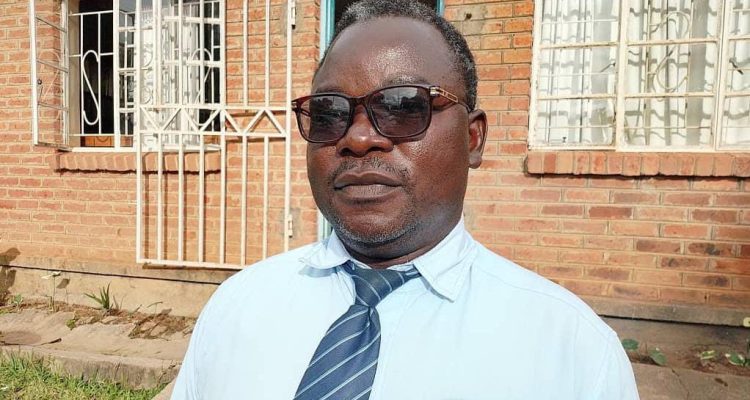
District Medical Officer for Mzimba North, Dr Shadreck Mzuma Ngwira, attributed the trend to gaps in the health system, particularly limited training of service providers.
“We still face challenges in training service providers on pre-exposure prophylaxis (PrEP), especially for high-risk groups. Health facilities serving Zolozolo, MZUNI, and Mzuzu Urban Health Centre are recording worrying trends,” said Ngwira.
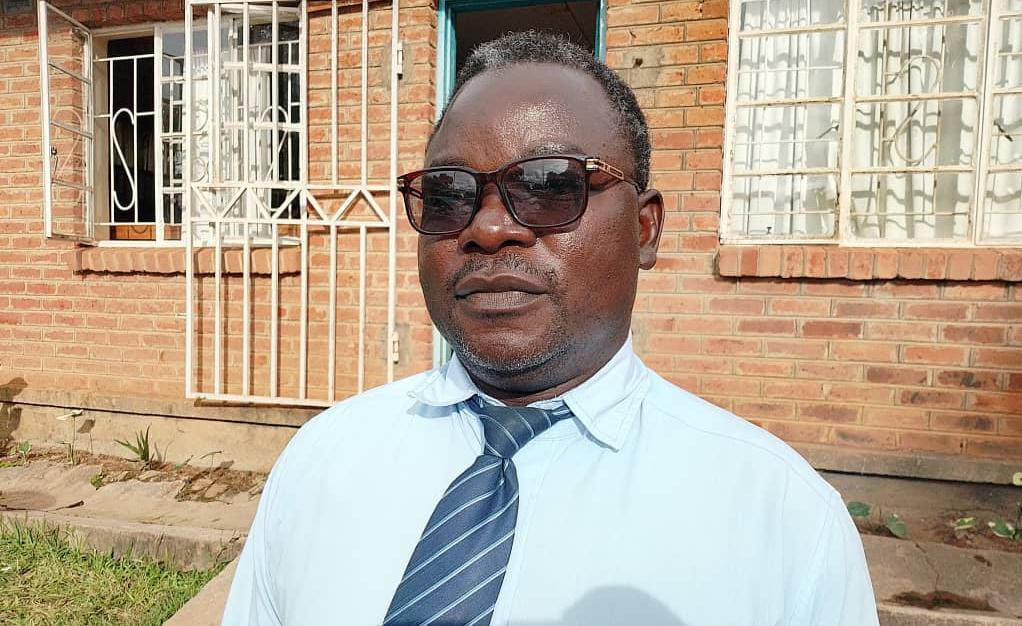
We still face challenges in training service providers on PrEP – Ngwira
He said the hotspots attract young and mobile populations, stressing the need for targeted interventions rather than general approaches.
CHeRA Programmes Manager, Alex Dalitso Kaomba, said Malawi continues to record high HIV prevalence among key populations, with 49.9 percent among female sex workers and 12.9 percent among men who have sex with men.
“HIV prevention efforts targeting key populations remain underfunded and are further constrained by stigma, criminalization, and systemic gaps within the health sector. This project seeks to strengthen key population-led advocacy and accountability while expanding access to stigma-free prevention options, including long-acting PrEP,”said Kaomba.

HIV prevention efforts targeting key populations remain underfunded – Kaomba
He added that the project will promote modern prevention tools such as long-acting Cabotegravir PrEP (Cab-LA) and emerging options like Lenacapavir.
Mzimba North was selected in line with the Malawi National Strategic Plan for HIV and AIDS (2020–2025), which identifies it as a high-burden district.
Meanwhile, Mzuzu City Council has pledged to align its HIV response with the global 95-95-95 targets aimed at ending AIDS by 2030.
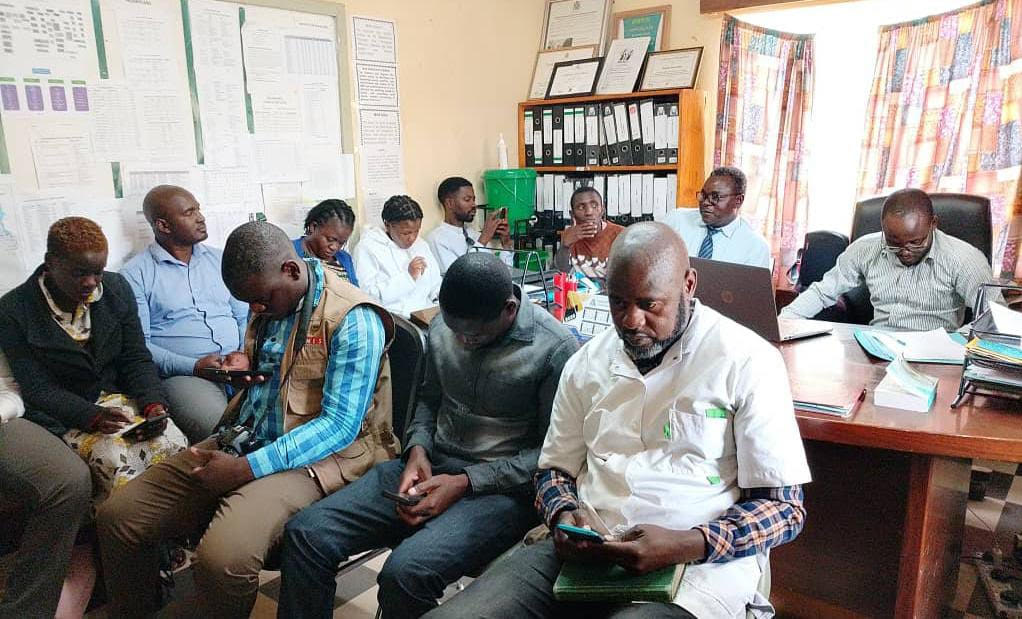
The CHeRA-led project, also covering Blantyre, Lilongwe, and Mangochi, targets 500 key population members on antiretroviral therapy and is funded by FH1360 with MK66.69 million from the United Nations Development Programme (UNDP).