

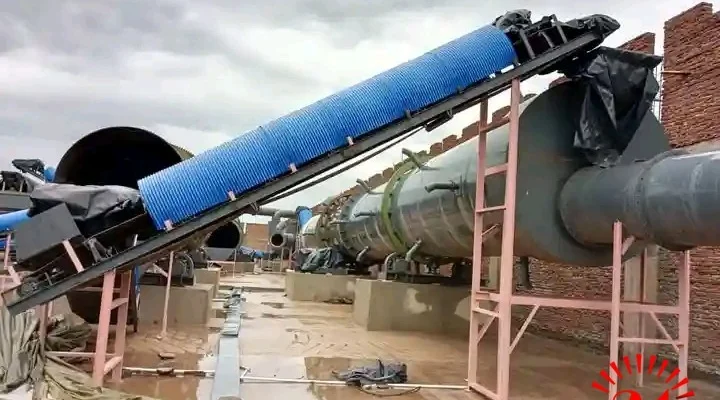
Farmers could soon benefit from locally produced fertiliser after the Malawi Environment Protection Authority (MEPA) completed the environmental approval process for Napoleon Dzombe’s proposed fertiliser manufacturing plant in Dowa.
The project is now awaiting the issuance of an environmental certificate, the final step before construction can begin.
MEPA Executive Director Dr. Wilfred Kadewa announced the development on Wednesday while appearing before a joint parliamentary committee investigating delays in approving the Mulalo Granular Fertiliser Production Factory.
Kadewa said the MEPA board had approved the project after the developer addressed key environmental concerns that had delayed the assessment process.
He said the authority had completed all stages of the licensing process and the project is now awaiting issuance of the environmental certificate required before implementation.
Kadewa told lawmakers that delays were mainly caused by the developer’s failure to adequately address concerns relating to hazardous waste management and safety requirements.
He said the authority had raised other issues, including wastewater management, emergency preparedness, emissions from the factory, phosphogypsum risks and the project’s location near the Kang’oma River.
Kadewa said the developer later made changes to address the concerns, including measures to manage wastewater and control emissions from the factory.
“The board approved the project after most of the issues we raised were addressed,” Kadewa said.
He also told the committee that although the official approval communication reached the company later, the developer had already been advised to continue with the project.
Earlier, Dzombe told lawmakers that prolonged administrative processes had delayed an investment aimed at producing fertiliser locally.
He said the project had faced questions over land ownership documentation despite the 26-hectare site having been surveyed in 1971 and a title deed having been issued in 1979 before it was misplaced.
Dzombe also questioned the K10 million environmental assessment fee, saying the costs and delays created challenges for local investors.
He told the committee that no public official had asked him for money, but said the delays had affected the project’s credibility with banks and other institutions.
Dzombe said the factory could begin producing fertiliser before the end of the year if the environmental certificate is issued and the remaining processes are completed in time.
Under the Environmental Management Act, projects requiring an Environmental and Social Impact Assessment cannot proceed without written approval from MEPA and compliance with conditions attached to that approval.