

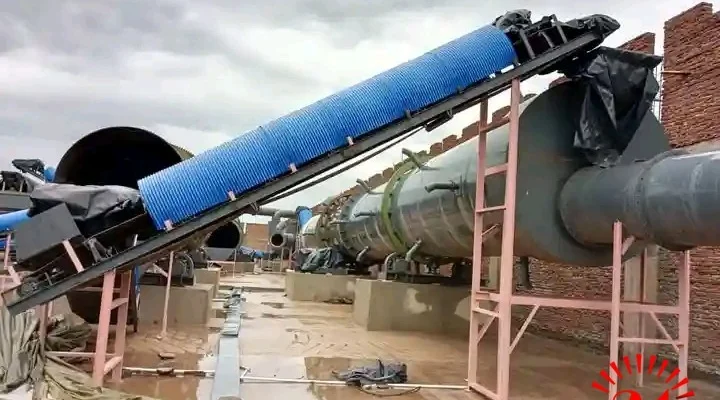
Malawian farmers could soon benefit from increased access to locally produced fertilizer as the government has cleared the way for businessman Napoleon Dzombe’s fertilizer manufacturing plant to obtain an operating licence, once it meets all statutory and regulatory requirements.
Minister of Agriculture Roza Mbilizi told Parliament that the government had requested Dzombe to provide further clarification on several outstanding issues before the licence can be granted.
Among the key concerns is the management and disposal of hazardous chemical waste generated by the fertilizer production process.
Mbilizi explained that hazardous chemical waste poses significant risks to public health and the environment if not handled and disposed of in accordance with established safety standards.
She noted that improper disposal could lead to serious health conditions, including cancer, respiratory diseases, and even fatalities among people living near the factory or waste disposal sites.
“No government would oppose such an investment. It is this government’s desire to see the project succeed, and we continue to encourage Malawians to invest in various sectors of the economy,” Mbilizi said.
She further clarified that the Malawi Environmental Protection Authority (MEPA) is the institution responsible for issuing the necessary environmental clearance. Once all outstanding environmental concerns have been satisfactorily addressed, the licence can be issued.
Parliament on Wednesday debated the progress of the fertilizer manufacturing plant that business man Napoleon Dzombe is constructing in Dowa District.
Several Members of Parliament urged the government to facilitate the project’s commencement, arguing that local fertilizer production would help address the country’s persistent fertilizer shortages and strengthen agricultural productivity.
Meanwhile, Speaker of Parliament Sameer Suleman observed that many development projects in Malawi experience unnecessary delays due to bureaucratic procedures within government ministries, departments, and agencies.
He also cautioned politicians against politicising the matter.
The Speaker further announced the establishment of a parliamentary committee to investigate issues surrounding the Dowa fertilizer plant.
According to Suleman, members drawn from the Parliamentary Committees on Agriculture, Trade, and Natural Resources have been tasked with reviewing the matter and presenting their findings and recommendations to Parliament.
Minister of Agriculture Roza Mbilizi told Parliament that the government had requested Dzombe to provide further clarification on several outstanding issues before the licence can be granted.
Among the key concerns is the management and disposal of hazardous chemical waste generated by the fertilizer production process.
Mbilizi explained that hazardous chemical waste poses significant risks to public health and the environment if not handled and disposed of in accordance with established safety standards.
She noted that improper disposal could lead to serious health conditions, including cancer, respiratory diseases, and even fatalities among people living near the factory or waste disposal sites.
“No government would oppose such an investment. It is this government’s desire to see the project succeed, and we continue to encourage Malawians to invest in various sectors of the economy,” Mbilizi said.
She further clarified that the Malawi Environmental Protection Authority (MEPA) is the institution responsible for issuing the necessary environmental clearance. Once all outstanding environmental concerns have been satisfactorily addressed, the licence can be issued.
Parliament on Wednesday debated the progress of the fertilizer manufacturing plant that business man Napoleon Dzombe is constructing in Dowa District.
Several Members of Parliament urged the government to facilitate the project’s commencement, arguing that local fertilizer production would help address the country’s persistent fertilizer shortages and strengthen agricultural productivity.
Meanwhile, Speaker of Parliament Sameer Suleman observed that many development projects in Malawi experience unnecessary delays due to bureaucratic procedures within government ministries, departments, and agencies.
He also cautioned politicians against politicising the matter.
The Speaker further announced the establishment of a parliamentary committee to investigate issues surrounding the Dowa fertilizer plant.
According to Suleman, members drawn from the Parliamentary Committees on Agriculture, Trade, and Natural Resources have been tasked with reviewing the matter and presenting their findings and recommendations to Parliament.