

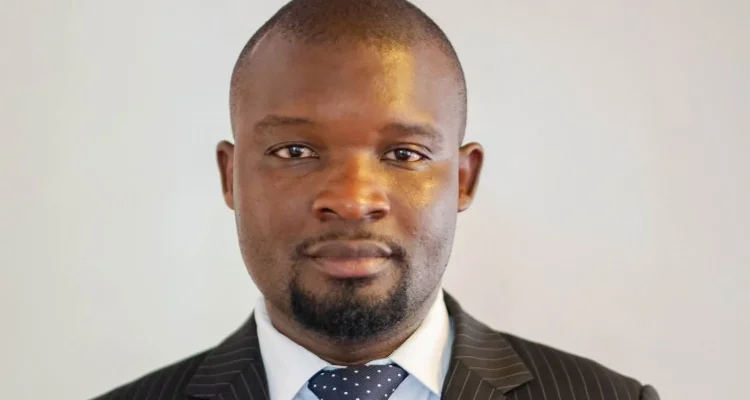
When Speaker of Parliament Sameer Sulemani gave Minister of Youth, Sports and Culture Alfred Gangata the floor during Monday’s sitting, the reaction from the House was striking.
Members from both the government and opposition sides erupted in excitement, with cheers and playful jeering accompanying him as he rose to speak. It was an unusual scene in Parliament, where ministers often receive a routine reception when called upon to address the House.
The moment stood out because, although Gangata is not new to Cabinet and has previously served in different ministerial positions, it was his first time making a speech in Parliament since taking charge of the Ministry of Youth, Sports and Culture.
The reception immediately sparked a bigger conversation: is Alfred Gangata the man, a leader trusted and embraced by people across political lines?
Gangata was responding to a question from Blantyre City Michiru-Chirimba MP Lasken Vinyo Vigaro, who asked whether government would consider constructing a sporting facility in the constituency to provide productive activities for young people and discourage engagement in harmful behaviours.
In his response, Gangata said government has devolved some functions to district councils, including the improvement of sports infrastructure. He encouraged MPs to work with their respective councils to develop plans for sporting facilities while assuring them of technical support from his ministry.
But the attention surrounding Gangata’s appearance appeared to go beyond the parliamentary question itself.
Outside Parliament, the minister has developed a strong public profile. During rallies, community engagements and public appearances, he often receives a warm reception from ordinary citizens. His ability to connect with people has made him one of the politicians who easily attracts public excitement wherever he goes.
His connection with sports may partly explain this appeal. Sports, especially football, remains one of the strongest unifying forces in Malawi, bringing together people from different backgrounds. Through his involvement in the sporting space, Gangata has built visibility among young people and communities.
During the same sitting, MPs raised issues affecting the ministry, including sports infrastructure and youth challenges.
Mzimba South MP Emmanuel Chambulanyina Jere asked when government would complete Mbelwa Stadium, saying the facility was nearing completion but remained unopened. Karonga Lufilya MP Abraham Mwakhwawa also called for the completion of Karonga Stadium, which has operated without proper stands.
Lilongwe City Kamphuno MP Khadija Leah Chunga raised concerns over youth conflicts in Chinsapo linked to disputes over “M’godi wa minibus” and called for interventions that would provide young people with productive activities.
Gangata said he had taken note of the concerns and would consult relevant authorities on the way forward.
Speaker Sulemani’s description of Gangata as “a man of few words but more action” appears to reflect the minister’s public image, a leader who prefers engagement and action over lengthy speeches.
Members from both the government and opposition sides erupted in excitement, with cheers and playful jeering accompanying him as he rose to speak. It was an unusual scene in Parliament, where ministers often receive a routine reception when called upon to address the House.
The moment stood out because, although Gangata is not new to Cabinet and has previously served in different ministerial positions, it was his first time making a speech in Parliament since taking charge of the Ministry of Youth, Sports and Culture.
The reception immediately sparked a bigger conversation: is Alfred Gangata the man, a leader trusted and embraced by people across political lines?
Gangata was responding to a question from Blantyre City Michiru-Chirimba MP Lasken Vinyo Vigaro, who asked whether government would consider constructing a sporting facility in the constituency to provide productive activities for young people and discourage engagement in harmful behaviours.
In his response, Gangata said government has devolved some functions to district councils, including the improvement of sports infrastructure. He encouraged MPs to work with their respective councils to develop plans for sporting facilities while assuring them of technical support from his ministry.
But the attention surrounding Gangata’s appearance appeared to go beyond the parliamentary question itself.
Outside Parliament, the minister has developed a strong public profile. During rallies, community engagements and public appearances, he often receives a warm reception from ordinary citizens. His ability to connect with people has made him one of the politicians who easily attracts public excitement wherever he goes.
His connection with sports may partly explain this appeal. Sports, especially football, remains one of the strongest unifying forces in Malawi, bringing together people from different backgrounds. Through his involvement in the sporting space, Gangata has built visibility among young people and communities.
During the same sitting, MPs raised issues affecting the ministry, including sports infrastructure and youth challenges.
Mzimba South MP Emmanuel Chambulanyina Jere asked when government would complete Mbelwa Stadium, saying the facility was nearing completion but remained unopened. Karonga Lufilya MP Abraham Mwakhwawa also called for the completion of Karonga Stadium, which has operated without proper stands.
Lilongwe City Kamphuno MP Khadija Leah Chunga raised concerns over youth conflicts in Chinsapo linked to disputes over “M’godi wa minibus” and called for interventions that would provide young people with productive activities.
Gangata said he had taken note of the concerns and would consult relevant authorities on the way forward.
Speaker Sulemani’s description of Gangata as “a man of few words but more action” appears to reflect the minister’s public image, a leader who prefers engagement and action over lengthy speeches.
Sponsored
Sponsored Sponsored Link