
Malawi urged to fund albinism action plan as report warns of deep inequality
Human Rights Watch has urged the Malawi Government to fully fund the National Action Plan on Albinism, warning that people with albinism continue to face deep inequality, discrimination and exclusion.
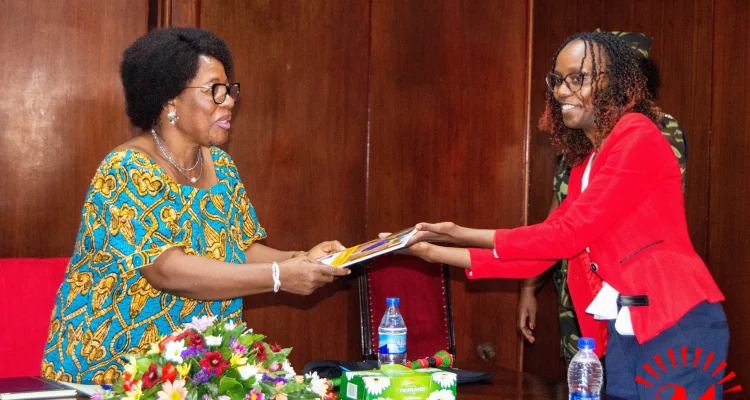
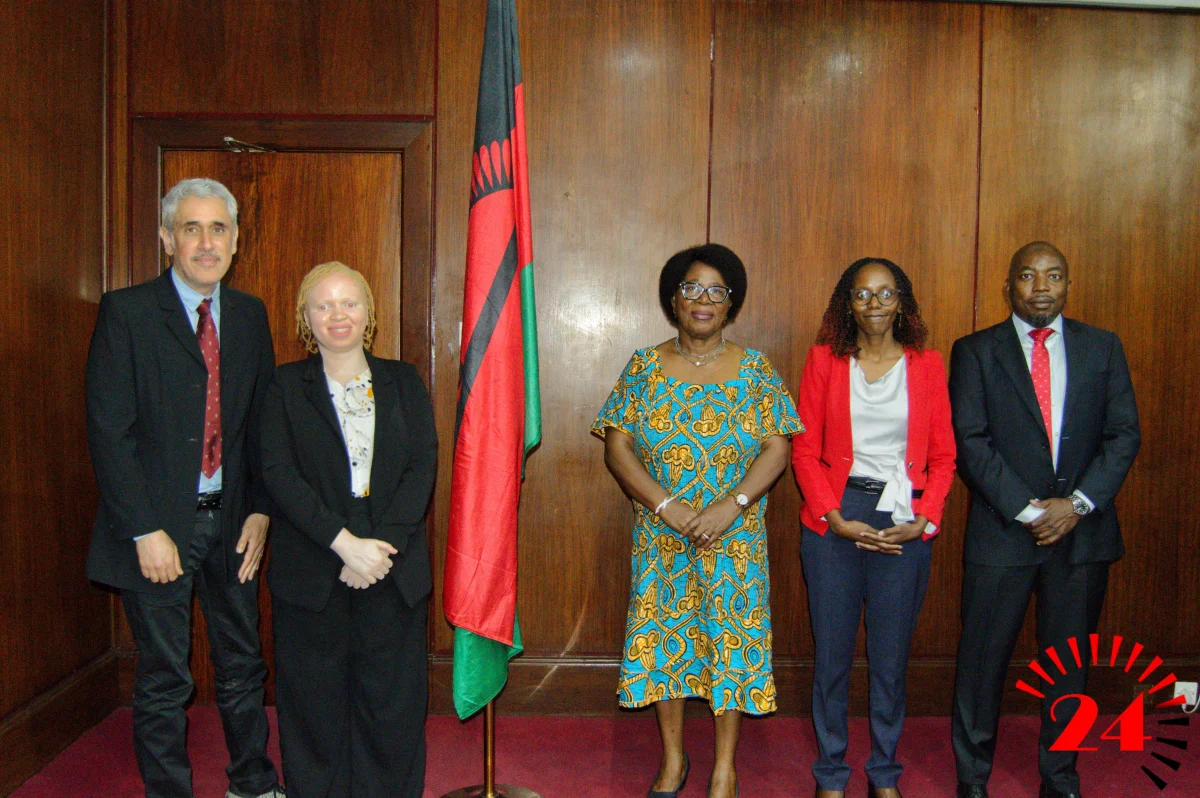
The call follows the release of a new Human Rights Watch report, which was presented to Vice President Jane Ansah in Blantyre ahead of its official launch this Friday.
The report argues that the challenges facing persons with albinism extend beyond violence and include barriers to education, employment and access to social protection programmes.
Speaking after the presentation, Human Rights Watch Director of the Disability Rights Division, Dr. Elizabeth Kamundia, said the organisation wanted to broaden the conversation on albinism from attacks to inclusion in everyday life.
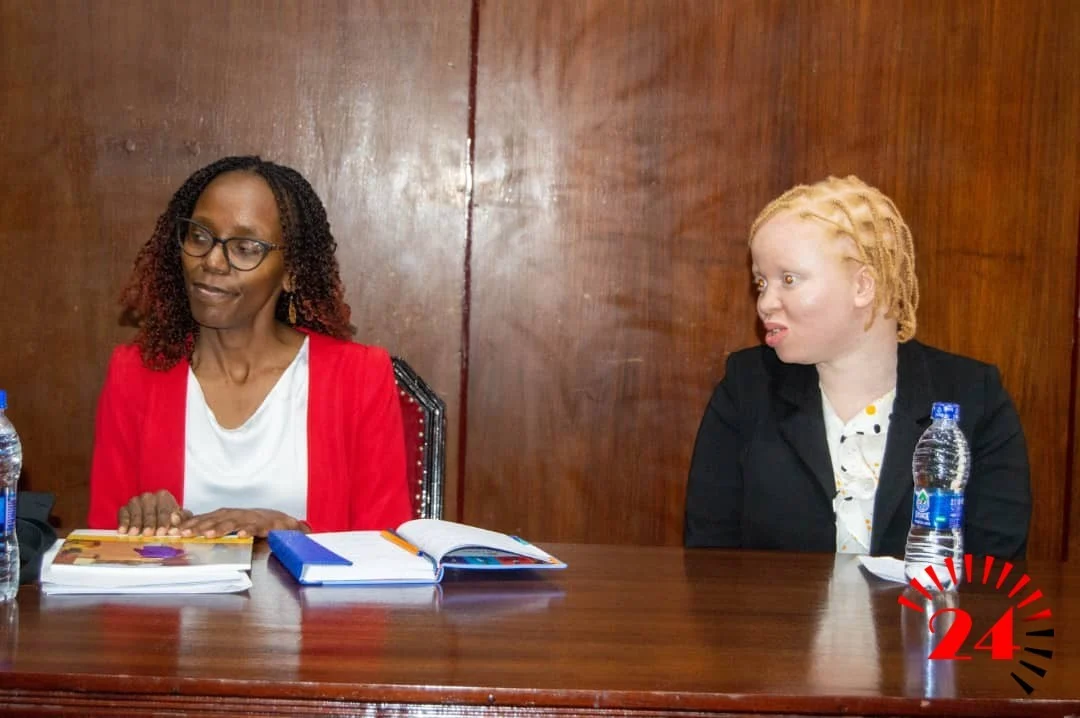
“Usually the focus is on violence and attacks, and that is an important part. But broadly, we wanted to broaden it out to include inclusion in all areas of life, from education to employment and social protection programmes,” she said.
Kamundia said the research was conducted across nine districts and involved more than 80 people with albinism, their families, community leaders and organisations representing persons with disabilities. The study also involved collaboration with the Ministry of Gender, Children and Social Development.
According to the report, stigma remains a major factor behind both attacks and the social and economic exclusion experienced by people with albinism.
The organization is recommending that the government fully fund the National Action Plan on Albinism, tackle discrimination in employment and other sectors.
“We are recommending that government addresses the social and economic exclusion of people with albinism and particularly discrimination in work, strengthen support that is given to children with albinism.
“This means proper inclusive education, reasonable accommodation, whether it’s glasses that allow them to read so they can fully participate in society,” she said.
She further highlighted that awareness raising campaigns are run to ensure that the stigma and the deep rooted misconceptions against people with albinism are addressed.
Kamundia said people with albinism should be able to attend local schools, access healthcare services and benefit equally from government programmes such as agricultural subsidies without facing discrimination.
She added that Human Rights Watch engaged Ansah ahead to recognise Malawi’s progress on disability issues and encourage stronger leadership in implementing the National Action Plan.