
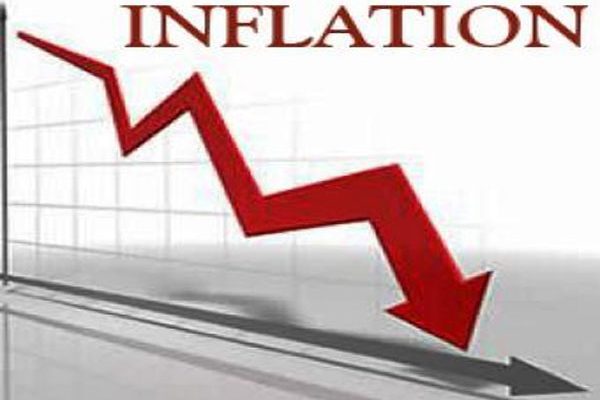
Malawi’s inflation rate has declined to 26 percent, marking a continued slowdown for the second consecutive month, according to the latest figures from the National Statistical Office (NSO).
The decline follows a reduction recorded in November last year, when inflation fell to 27.9 percent from 29.1 percent in October. The downward trend continued into December, reflecting a gradual easing of overall price pressures.
In a statement, the NSO attributed the decline in inflation largely to a decrease in food prices, which have shown signs of stabilisation after months of sharp increases.
Food inflation, a major driver of the high cost of living in recent years, eased during the period under review, providing some relief to households.
Economists say the decline in inflation is a positive development but caution that the rate remains high and continues to strain household incomes, particularly among low-income earners.
They add that sustained reductions in inflation will depend on a stable food supply, improved agricultural output, and effective economic management.
The easing of food prices is partly attributed to seasonal factors and market adjustments; however, analysts caution that external pressures, including exchange rate fluctuations and global commodity prices, may still impact inflation trends in the coming months.
Malawi has been grappling with high inflation amid broader economic challenges, including currency depreciation, rising import costs, and supply chain disruptions.
While the latest figures suggest a modest improvement, observers say more consistent declines are needed before the impact is felt meaningfully by consumers.