

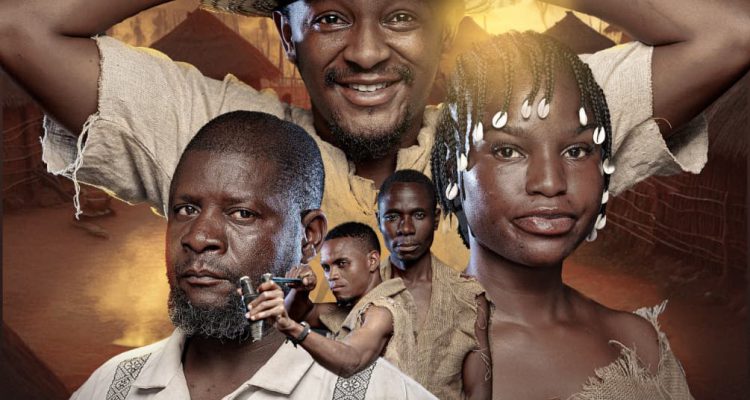
“Chitomero” emerges as a striking new entry in Malawi’s growing cinematic landscape, grounded in real social dynamics and emotionally charged narratives that mirror the lived realities of many communities. The director’s reflections reveal a project shaped by the desire to interrogate the silent struggles and unresolved conflicts that define contemporary social life.
From its earliest conception, the film positioned itself as a morally complex inquiry into the intersections of justice, humanity, culture, and personal responsibility. This thematic density is reinforced through deliberate creative processes that involved research, workshops, and extensive consultations, resulting in a screenplay that prioritizes grounded storytelling and character-driven drama.
The production’s insistence on authenticity—through language, cultural cues, rural–urban contrasts, and realistic settings—speaks to a commitment to crafting a narrative that resonates both locally and universally.
Despite operating within the constraints familiar to many Malawian filmmakers, the team employed strategic creativity and collaboration to achieve a work that elevates local technical standards.
As the director explains, “Chitomero” integrates minimalist cinematography, disciplined sound design, and emotional clarity, signaling a shift toward more sophisticated, internationally competitive Malawian filmmaking.
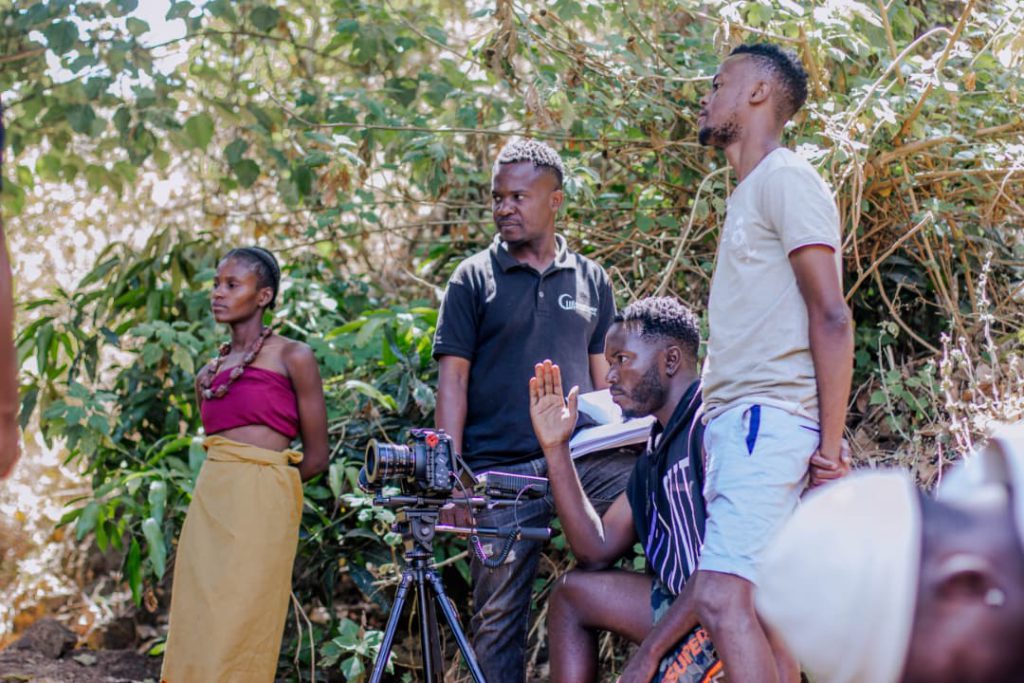
Chitomero’s Director, Romeo Trywell Mdachi at Work
What inspired the story of “Chitomero”, and what central question or social reality were you seeking to interrogate through the film?
“Chitomero” was inspired by real social dynamics I have observed in our communities, the silent struggles, the unresolved conflicts, and the hidden emotional wounds people carry. I wanted to interrogate how societal pressures, trauma, culture and unspoken truths shape people’s decisions. The film asks an important question: What happens when justice, humanity, culture and personal responsibility collide?
How did the idea evolve from concept to screenplay, and what creative decisions shaped its direction?
The story began as a simple emotional conflict between two families, but it evolved as we explored deeper layers of moral complexity and societal reflection. Through workshops, research, and consultations, the screenplay matured into a more grounded and character-driven narrative. Key creative decisions especially the choice to blend realism with dramatic and cinematic tension shaped the final direction.
What does the title “Chitomero” signify within the narrative and cultural context?
In the Malawian context, “Chitomero” symbolizes the weight of consequence the reckoning that follows every action. Within the narrative, it speaks to both personal accountability and the communal impact of hidden truths.
Which major themes does the film explore, and how are they rooted in Malawian society?
The film explores themes of justice, betrayal, forgiveness, culture and the consequences of silence. These are themes deeply rooted in Malawian society, where family conflicts, community expectations, and moral dilemmas often shape people’s lives.
How does the film engage with Malawian cultural identity?
We intentionally used local language, cultural expressions, and everyday social dynamics to reflect authentic Malawian life. The film navigates rural urban contrasts, social norms, and the tension between tradition and modern values. This authenticity allows the story to resonate with local audiences while remaining universally relevant.
Can you walk us through your production choices from casting to locations?
We began with careful casting, choosing actors who could embody the emotional and psychological weight of the characters. Location scouting focused on finding spaces that naturally enhanced the atmosphere of the story. Every choice from set design to wardrobe was grounded in realism to support the narrative.
What challenges did you face during production, and how did you overcome them?
Like many Malawian productions, we faced financial and logistical challenges. Limited resources meant we had to be strategic and creative. However, the dedication of the team, community support, and collaborative problem-solving helped us overcome these hurdles without compromising artistic quality.
How did you work with actors to achieve performance authenticity?
My approach was collaborative. We spent time building emotional truth, reading through scenes, and discussing character motivations. I encouraged the actors to draw from real-life experiences and to internalize the emotional arcs. That process is what brought authenticity to their performances.
What guided the visual and cinematic style of the film?
The cinematography was guided by a desire for realism, minimalism, and emotional clarity. We used a colour palette that reflected the mood of the story earthy, raw, and grounded. The pacing is deliberate, allowing the audience to sit inside the tension and absorb the emotional shifts.

Behind the Scene Photo
What technical or stylistic innovations does “Chitomero” introduce?
“Chitomero” experiments with layered storytelling, character ambiguity, and more stylized visual framing. We also incorporated a more disciplined sound and lighting design compared to traditional local productions. The film intentionally elevates technical standards while remaining accessible.
How did sound and music support the storytelling?
Sound design was used to amplify emotional tension silence, ambient noise, and musical cues all play a narrative role. The music choices blend modern Malawian tones with cinematic mood, underscoring key emotional moments without overpowering the story.
How has the audience responded to the film so far?
The reception in Lilongwe and Blantyre has been overwhelmingly positive. Audiences appreciated the emotional depth, the strong performances, and the authenticity of the storytelling. What stood out most was how viewers connected personally with the themes many said it felt like seeing their own communities on screen.
What distribution strategies are you pursuing?
We are exploring a hybrid distribution strategy: domestic screenings, regional tours, and submissions to African and international film festivals. We want “Chitomero” to reach both Malawian audiences and the global stage where African stories continue to gain recognition.
What does “Chitomero” contribute to Malawian cinema?
“Chitomero” contributes a fresh narrative style, higher technical standards, and a strong example of character-driven storytelling. It positions Malawian cinema as capable of delivering emotionally sophisticated and internationally competitive films.
What impact do you hope the film will have?
I hope “Chitomero” sparks conversations around responsibility, justice, and empathy. If the film encourages people to address unresolved issues in their lives or communities, then we have achieved something meaningful.
How might the story world continue beyond this film?
A sequel or series would explore the aftermath of the events in the film, how the characters rebuild their lives, how communities heal, and how truth reshapes relationships. Community screenings and dialogues are also part of our vision to deepen the impact.
What did this project teach you as a filmmaker?
This project taught me resilience, patience, and the power of collaborative creativity. It also strengthened my commitment to telling authentic Malawian stories. These lessons will guide my future work as I continue developing projects that are culturally rooted and emotionally powerful.

Photo at Blantyre Premiere
The overwhelmingly positive reception in both Lilongwe and Blantyre demonstrates that “Chitomero” successfully bridges artistic ambition with audience relatability. Viewers have connected deeply with the film’s themes, recognizing within it their own community dynamics and unspoken tensions.
This response affirms the director’s vision of a film that not only entertains but also provokes reflection, dialogue, and emotional recognition. Through its narrative structure, technical execution, and thematic resonance, “Chitomero” sets a new benchmark for character-focused storytelling in the national film space.
Looking ahead, the film’s creators envision a broader trajectory that includes regional tours, festival engagements, and potential sequels or a series exploring post-narrative consequences. These plans, coupled with community screenings and dialogue-driven outreach, position “Chitomero” as a catalyst for social engagement and cultural introspection.
Anchored by lessons of resilience, collaboration, and authenticity, the project signals a future where Malawian cinema continues to evolve, challenge itself, and assert its place on the global stage.