

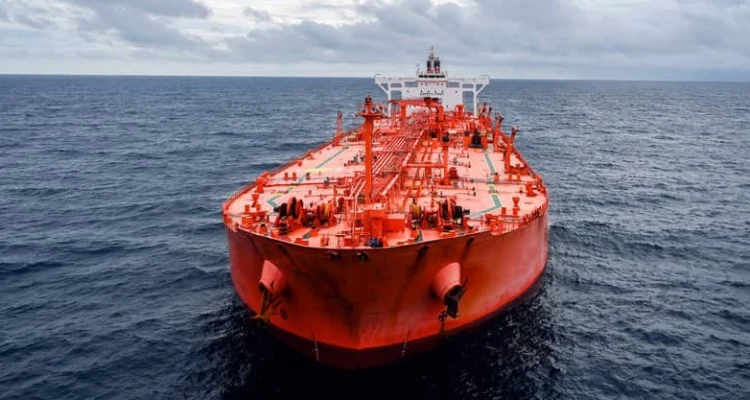
Global fuel oil supplies are tightening as the US-Israel war with Iran and Ukrainian drone attacks on Russian refineries disrupt exports, drive up shipping costs and threaten to intensify pressure on international energy markets.
An October 16, 2026, report by OilPrice.com, written by energy journalist Irina Slav and drawing on Reuters reporting, indicates that Middle Eastern high-sulphur fuel oil exports have fallen by at least 800,000 tonnes monthly compared with pre-war levels, while disruptions to Russian refineries have removed an estimated one million tonnes from monthly supplies.
The shortage is intensifying competition among buyers, particularly in Asia, where some refineries are turning to high-sulphur fuel oil as an alternative feedstock amid disruptions to Saudi exports through the Red Sea.
The crisis is also driving up prices, with the premium for fuel oil used in commercial shipping reaching nearly $50 per tonne, compared with $5.10 in late February, according to Reuters data cited in the report.
Disruptions around the strategic Strait of Hormuz, alongside higher freight charges and war-risk insurance premiums, are making fuel deliveries more expensive and uncertain, threatening to increase transportation costs and place additional pressure on businesses and consumers.
The deepening shortage highlights the vulnerability of global energy markets to simultaneous conflicts affecting major supply routes and refining centres, with prolonged disruption potentially worsening fuel affordability and economic pressures in countries dependent on imported petroleum products.
An October 16, 2026, report by OilPrice.com, written by energy journalist Irina Slav and drawing on Reuters reporting, indicates that Middle Eastern high-sulphur fuel oil exports have fallen by at least 800,000 tonnes monthly compared with pre-war levels, while disruptions to Russian refineries have removed an estimated one million tonnes from monthly supplies.
The shortage is intensifying competition among buyers, particularly in Asia, where some refineries are turning to high-sulphur fuel oil as an alternative feedstock amid disruptions to Saudi exports through the Red Sea.
The crisis is also driving up prices, with the premium for fuel oil used in commercial shipping reaching nearly $50 per tonne, compared with $5.10 in late February, according to Reuters data cited in the report.
Disruptions around the strategic Strait of Hormuz, alongside higher freight charges and war-risk insurance premiums, are making fuel deliveries more expensive and uncertain, threatening to increase transportation costs and place additional pressure on businesses and consumers.
The deepening shortage highlights the vulnerability of global energy markets to simultaneous conflicts affecting major supply routes and refining centres, with prolonged disruption potentially worsening fuel affordability and economic pressures in countries dependent on imported petroleum products.