



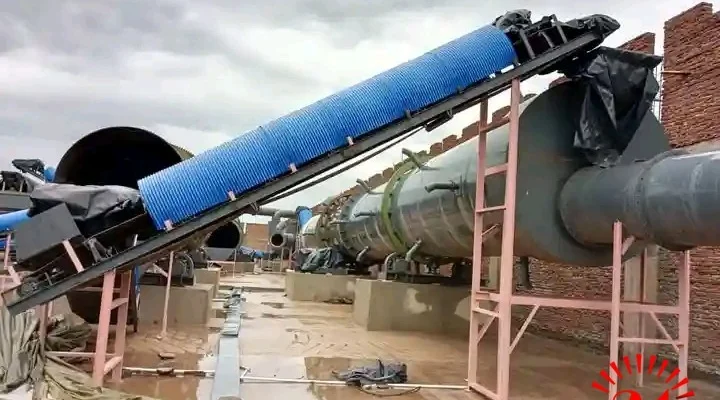
Communities hoping for cheaper and locally produced fertilizer will have to wait longer after government withheld approval for businessman Napoleon Dzombe’s proposed Maulalo Fertilizer Plant, citing unresolved environmental and public health concerns.
Authorities say the project cannot be licensed until concerns over hazardous waste management, pollution control and safety measures are fully addressed, insisting that public health and environmental protection must take precedence before the plant begins operations.
Agriculture Minister Roza Mbilizi told Parliament on Wednesday that government supports the establishment of fertilizer manufacturing industries in Malawi because of their potential to create jobs, reduce reliance on imports and improve food security, but stressed that environmental regulations must be followed before operations begin.
The minister said the environmental assessment process for the proposed Maulalo granular fertilizer production factory in Dowa raised concerns over the handling of hazardous materials, wastewater management and occupational health risks. She said the issues identified were critical and required proper attention before approval could be granted.
Among the concerns raised were inadequate details on the management of acid residues, contaminated sludge, phosphogypsum, wastewater and other potentially hazardous by-products expected from the fertilizer production process. Government said poor management of such waste could expose surrounding communities and downstream users to serious health risks.
“These issues are not minor editorial matters, but rather critical environmental, public health and regulatory considerations that must be adequately addressed before the project can proceed through the approval process,” Mbilizi said.
The concerns have sparked debate after Lilongwe Likuni Member of Parliament Kelvin Mphande appealed to government to facilitate the project, arguing that local fertilizer production would help address foreign exchange challenges linked to imports while creating employment opportunities for Malawians.
Mbilizi said the Malawi Environmental Protection Authority (MEPA), under the Ministry of Natural Resources, is responsible for issuing environmental approval for such projects. She added that the review process followed legal procedures, with the authority assessing revised submissions from the developer.
She said the government remains committed to supporting investment in fertilizer manufacturing but will not compromise environmental protection standards. “This cannot be bent, this cannot be broken, and this will be followed to the book,” the minister said.
One comment on “Cancer fears hold back Dzombe fertilizer plant approval”
Join the conversation — share your thoughts on this story

The issue is the raw ma are sourced outside the country that alone is restricting early production.