
A woman’s conviction over abortion materials has opened a new front in Malawi’s reproductive rights debate, with fresh calls for the government to rewrite laws critics say are too vague.
In May 2026, police in Nkhata Bay, arrested a 41-year-old woman, Macleana Davis for supplying illegal traditional implements to a 15-year-old girl to induce an abortion.
Davis was later convicted by the Nkhata Bay Magistrate’s Court, and on Wednesday, both the defence and the State presented their mitigating submissions before the court adjourned the matter to July 1, 2026, for sentencing.
Nyale Institute, which facilitated legal representation for the woman at the sentencing stage after she went through trial without a lawyer, says the case exposes critical gaps in Malawi’s abortion laws.
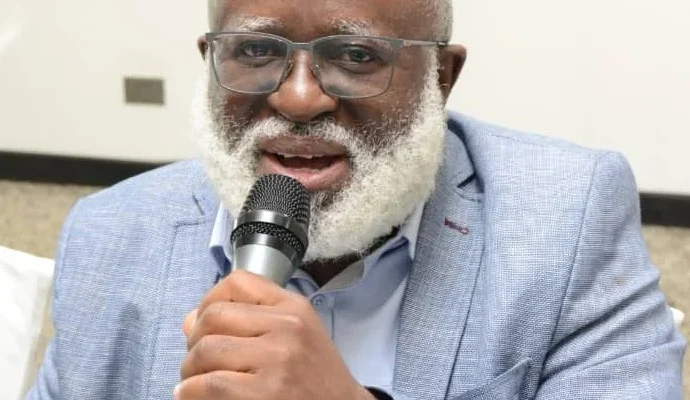
In a statement, Nyale Institute Executive Director Godfrey Kangaude says the case has exposed critical gaps in Malawi’s abortion laws and argues that the legal framework is creating uncertainty for girls, women, healthcare providers and the justice system.
According to the institute, Section 151 of the Penal Code criminalizes the unlawful supply of materials intended for an abortion, meaning prosecutors and courts must establish that the supply and intended use were unlawful rather than automatically presuming criminal liability.
“Notably, this provision does not criminalize every act connected to abortion. The law refers to both ‘unlawful’ supply and ‘unlawful’ use. This distinction is significant because it recognizes that questions of lawfulness are relevant to the offence.
“Abortion-related prosecutions should therefore never be approached on the assumption that criminal liability automatically arises whenever materials intended for the termination of pregnancy are supplied or used,” said Kangaude.
Kangaude further argues that abortion-related cases should not focus only on punishment but also on the realities that drive girls and women to seek assistance, saying the current legal framework leaves many people unsure about where lawful healthcare ends and criminal conduct begins.
The institute also warns that the uncertainty affects healthcare workers and traditional medicine practitioners who may be called upon to assist women facing risky pregnancies but remain unclear about their legal responsibilities.
It is now calling on the Ministers of Health and Sanitation and Justice to review Malawi’s reproductive healthcare laws, including access to safe abortion, arguing that clearer legislation would benefit women, health professionals, law enforcement agencies, prosecutors and the courts.
“The current abortion provisions of the Penal Code are derived from nineteenth-century legislation developed in a very different social and medical context,” he added. “A legal framework should be clear, predictable, and capable of protecting both individual rights and public health.”
He further argued that on one should face uncertainty about the scope of lawful healthcare, and no person should be prosecuted under laws whose boundaries remain unclear.
The institute says it will continue providing legal assistance in appropriate cases while advocating for laws that protect the rights, health and dignity of girls and women, insisting that no one should face prosecution under laws whose boundaries remain unclear.
In May 2026, police in Nkhata Bay, arrested a 41-year-old woman, Macleana Davis for supplying illegal traditional implements to a 15-year-old girl to induce an abortion.
Davis was later convicted by the Nkhata Bay Magistrate’s Court, and on Wednesday, both the defence and the State presented their mitigating submissions before the court adjourned the matter to July 1, 2026, for sentencing.
Nyale Institute, which facilitated legal representation for the woman at the sentencing stage after she went through trial without a lawyer, says the case exposes critical gaps in Malawi’s abortion laws.
In a statement, Nyale Institute Executive Director Godfrey Kangaude says the case has exposed critical gaps in Malawi’s abortion laws and argues that the legal framework is creating uncertainty for girls, women, healthcare providers and the justice system.
According to the institute, Section 151 of the Penal Code criminalizes the unlawful supply of materials intended for an abortion, meaning prosecutors and courts must establish that the supply and intended use were unlawful rather than automatically presuming criminal liability.
“Notably, this provision does not criminalize every act connected to abortion. The law refers to both ‘unlawful’ supply and ‘unlawful’ use. This distinction is significant because it recognizes that questions of lawfulness are relevant to the offence.
“Abortion-related prosecutions should therefore never be approached on the assumption that criminal liability automatically arises whenever materials intended for the termination of pregnancy are supplied or used,” said Kangaude.
Kangaude further argues that abortion-related cases should not focus only on punishment but also on the realities that drive girls and women to seek assistance, saying the current legal framework leaves many people unsure about where lawful healthcare ends and criminal conduct begins.
The institute also warns that the uncertainty affects healthcare workers and traditional medicine practitioners who may be called upon to assist women facing risky pregnancies but remain unclear about their legal responsibilities.
It is now calling on the Ministers of Health and Sanitation and Justice to review Malawi’s reproductive healthcare laws, including access to safe abortion, arguing that clearer legislation would benefit women, health professionals, law enforcement agencies, prosecutors and the courts.
“The current abortion provisions of the Penal Code are derived from nineteenth-century legislation developed in a very different social and medical context,” he added. “A legal framework should be clear, predictable, and capable of protecting both individual rights and public health.”
He further argued that on one should face uncertainty about the scope of lawful healthcare, and no person should be prosecuted under laws whose boundaries remain unclear.
The institute says it will continue providing legal assistance in appropriate cases while advocating for laws that protect the rights, health and dignity of girls and women, insisting that no one should face prosecution under laws whose boundaries remain unclear.