
People with disabilities are still being excluded from essential services because inaccessible buildings continue to be approved and constructed across Malawi.
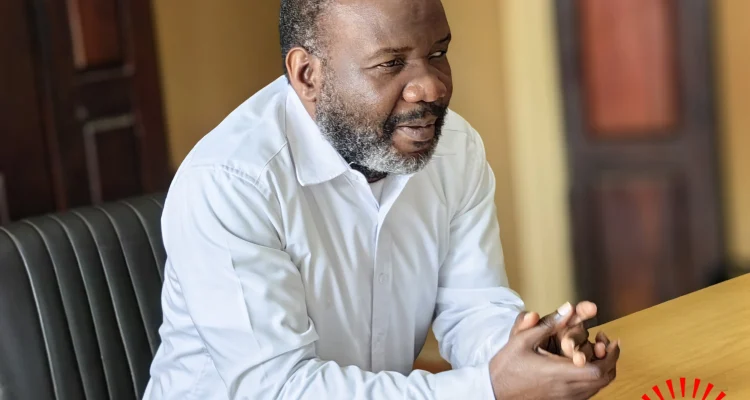
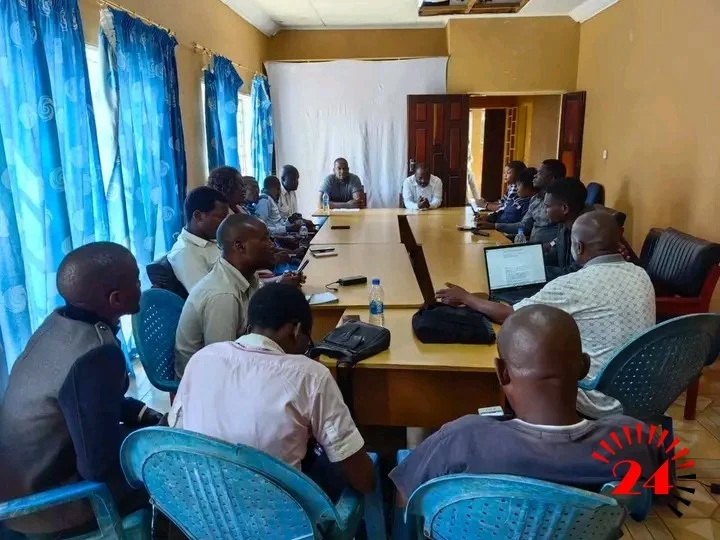
This is according to Federation of Disability Organisations in Malawi (FEDOMA) Executive Director Symon Munde who was speaking on Saturday after a media training with Blantyre Press Club members on the Persons with Disabilities Act.
Munde expressed concern that many new public and private structures are being built without disability-friendly features, denying people with disabilities equal access.
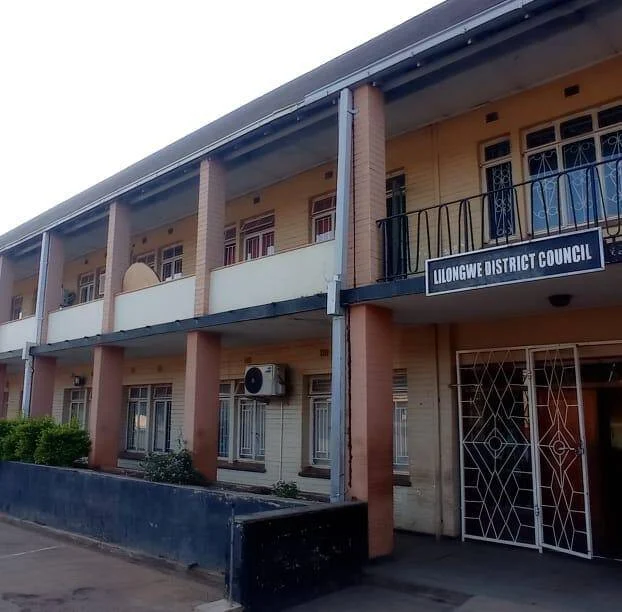
He said the situation is made worse by local council town planning committees, which continue approving building designs that contain barriers despite the need for inclusive infrastructure.
“One thing they do not realize is that they are actually leaving out persons with disabilities who are potential clients, who are potential contributors to the same services they are offering in those particular premises.
“The town planning committees of various local councils in the country are actually approving designs of infrastructure that have lots of barriers against persons with disabilities. You tend to wonder what kind of an approval is this,” said Mande.
He added that inaccessible infrastructure sends a message that people with disabilities are not considered when development decisions are made, leaving many unable to access banks, offices, schools and other public facilities independently.
He urged authorities to ensure every new development is inclusive, saying Malawi cannot achieve genuine and sustainable progress while a section of its population remains locked out.
Munde also highlighted the importance of the media in promoting disability rights, saying journalists have played a key role in advocating for the enactment of the Persons with Disabilities Act and the National Disability Policy.
Blantyre Press Club Deputy Secretary General Yusuf Daisa said the training was organised to help journalists understand and track implementation of the new law.
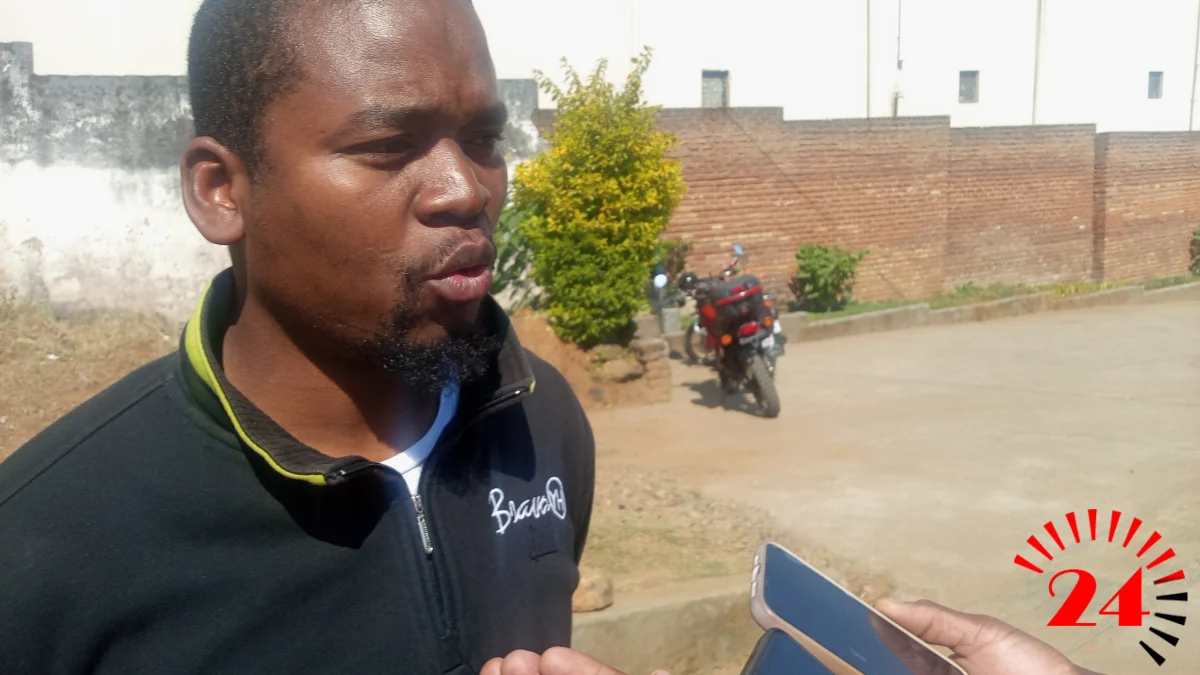
Daisa said, unlike the previous legislation which focused on charity, the current Act is based on the rights of people with disabilities, making the media an important tool for educating communities and holding duty bearers accountable.