
ICC demands legislative reforms to enhance oversight of police officers’ conduct

A growing number of complaints against police officers, including deaths in custody, alleged corruption, and bodily injuries, has prompted the Independent Complaints Commission (ICC) to push for comprehensive legal reforms aimed at strengthening its oversight role and enhancing accountability within Malawi’s law enforcement system.
The commission says the increasing volume and complexity of complaints are straining its capacity and exposing weaknesses in the current legal framework under which it operates.
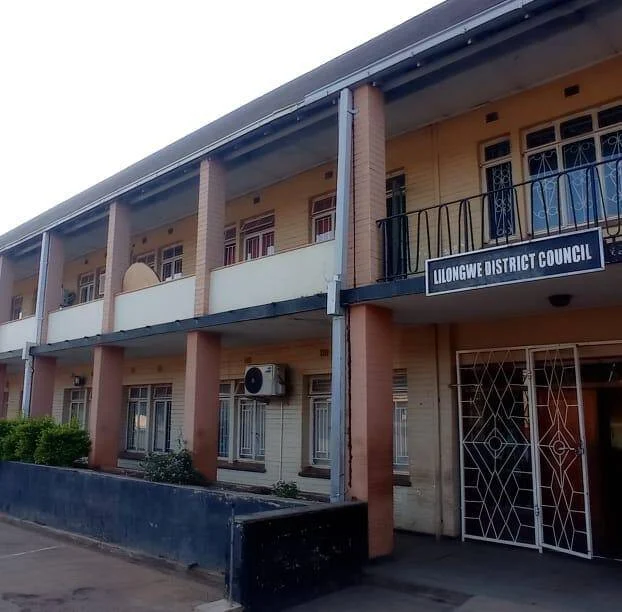
Speaking during a media engagement in Lilongwe, ICC Deputy Director of Investigations, Grant Kankhulungo, said the commission is advocating for the enactment of a standalone law that would grant it greater independence and stronger powers to enforce recommendations arising from investigations into police misconduct.
According to Kankhulungo, the ICC currently operates under provisions of the Police Act of 2010, a framework that does not adequately support the institution’s mandate.”The current legal framework presents several challenges in implementing recommendations and ensuring accountability.
A dedicated Act would strengthen the commission’s independence and provide a more effective mechanism for addressing complaints against law enforcement officers,” he said.
Kankhulungo noted that while public demand for accountability within the police service continues to grow, the commission remains constrained by limited resources and operational challenges.
He revealed that the ICC has only seven investigators responsible for handling complaints from across the country, making it difficult to keep pace with the growing caseload.
The commission also operates with only two vehicles for field investigations nationwide, a limitation that affects its ability to respond promptly to complaints and conduct thorough investigations.
“These capacity challenges significantly affect our ability to deliver services efficiently. The number of complaints continues to rise, yet the resources available to investigate them remain limited,” said Kankhulungo.
He disclosed that the most common complaints received by the commission include deaths in police custody, injuries allegedly sustained during police operations, failure by officers to act on reported cases, and allegations of corruption.
The deputy director said the trend underscores the urgent need for stronger oversight mechanisms capable of ensuring that the commission’s findings and recommendations are effectively implemented.
Kankhulungo stressed that effective accountability systems are essential for maintaining public confidence in law enforcement institutions and the broader justice system.
He said strengthening the ICC through legislative reforms would improve the handling of complaints, safeguard citizens’ rights, and promote professionalism within the police service.
The media engagement formed part of the commission’s public awareness campaign aimed at educating citizens and journalists about its mandate, functions, and procedures for lodging complaints against police officers.
Journalists attending the session were briefed on how the commission investigates allegations of police misconduct and the processes it follows in handling complaints from members of the public.
The ICC believes that stronger legal backing, increased public awareness, and improved operational resources would significantly enhance its effectiveness in promoting transparency and accountability within Malawi’s law enforcement sector.
Governance and human rights advocates have long argued that robust civilian oversight of police institutions is essential for protecting citizens’ rights, ensuring justice, and strengthening democratic governance.
The commission’s proposed reforms are expected to contribute to broader efforts to enhance public trust in Malawi’s security and justice institutions.