
…profit soars to K147.8 billion
FDH Bank Plc’s expansion into Mozambique is set to reshape its growth trajectory, with the lender eyeing stronger foreign exchange inflows and expanded trade finance opportunities as it accelerates its bold push into regional markets.
FDH Bank Plc has stepped up its regional ambitions with a move into Mozambique, a strategy that could reshape cross-border banking, boost trade finance, and strengthen foreign currency inflows for one of Malawi’s top financial institutions.
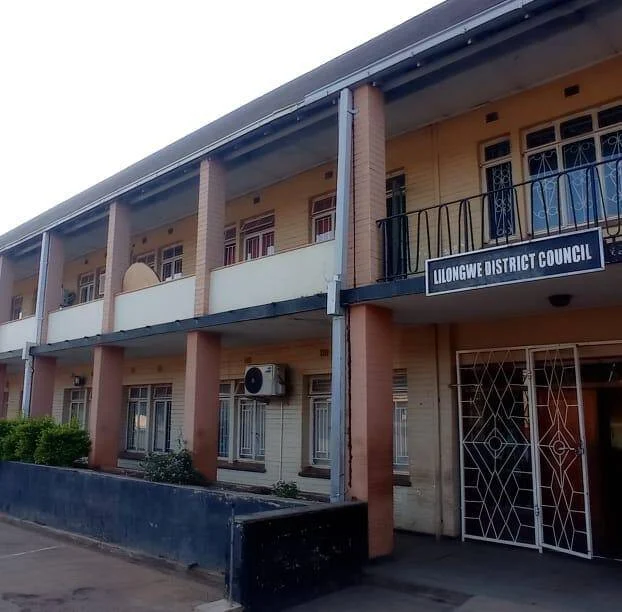
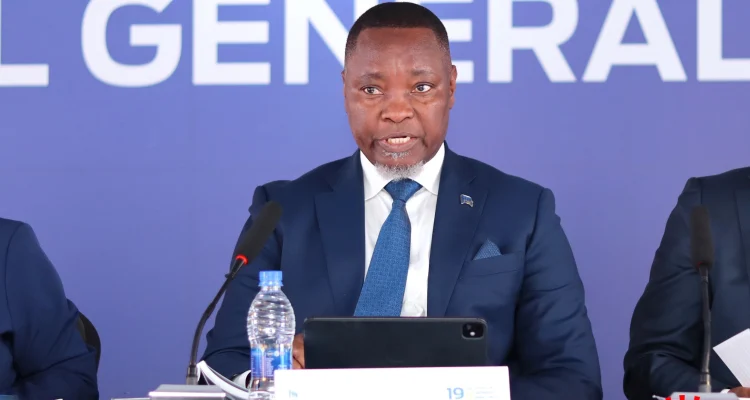
The bank confirmed during its 19th Annual General Meeting in Lilongwe that it has acquired a controlling stake in Ecobank Mozambique S.A, marking a major shift from a domestically focused lender to a regional financial player.
FDH Bank Managing Director Noel Mkulichi said the deal is designed to unlock new revenue streams and deepen the bank’s presence across Southern Africa, where demand for integrated banking services is growing rapidly.
“This transaction is designed to strengthen our regional presence while unlocking opportunities in trade finance and cross-border banking,” Mkulichi said.
He said the expansion will help the bank better serve businesses operating across borders, especially traders and corporates who continue to face costly and fragmented financial systems in the region.
However, the move also signals intensifying competition in the regional banking space, as Malawian financial institutions increasingly look beyond domestic markets for growth amid pressure on local earnings and limited forex availability.
MISALCO General Secretary Frank Harawa welcomed the expansion, saying it could help improve regional integration and ease foreign currency constraints that continue to affect businesses in Malawi.
FDH Bank also reported a sharp rise in performance for the year ending December 31, 2025, with profit after tax climbing to K147.8 billion from K74.1 billion, reflecting stronger lending activity and improved operational efficiency.
As the bank integrates its Mozambican operations, attention will now turn to whether the expansion will translate into real forex gains and wider economic benefits for ordinary Malawians, or simply deepen competition among already dominant regional players.